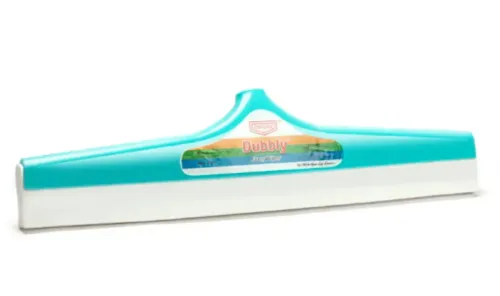
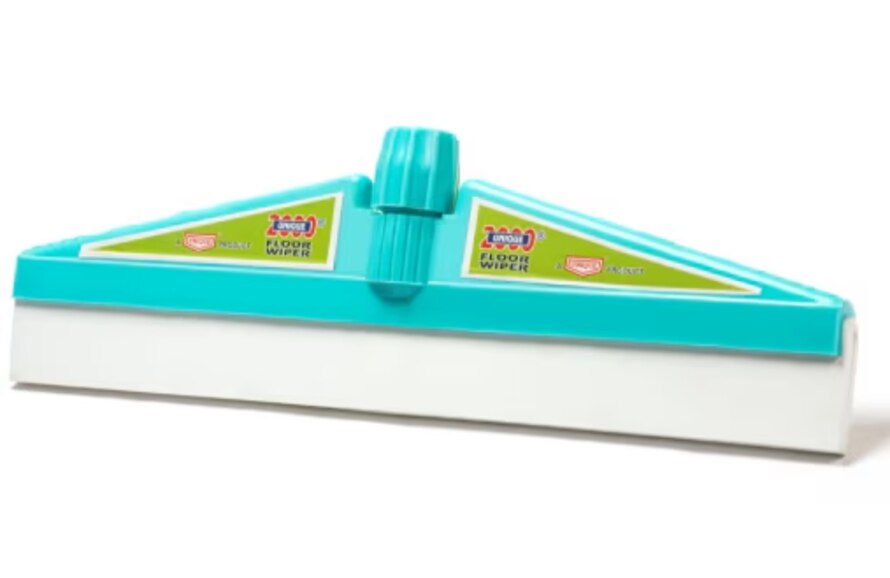
A floor wiper earns its place in a frequent-cleaning program only when its blade keeps continuous contact, its handle assembly resists side loads, and its materials survive the site’s water, chemicals, and temperature. By the end, you will know how to measure usable cleaning cycles, match blade and head design to each floor, inspect a delivery, and avoid practices that shorten service life.
Key takeaways
- Judge durability by repeated cleaning cycles, not frame strength alone.
- Match blade material, width, and handle length to the floor and liquid.
- Store the wiper with its blade straight and free from damaging pressure.
- Replace worn blades before they leave liquid behind or require extra passes.
Durability Means Consistent Cleaning, Not Just a Strong Frame
A durable floor wiper keeps removing liquid after repeated wet-dry cycles, not merely after surviving a hard pull. The useful measure is total cost per usable cleaning cycle: replacing one worn part costs less than discarding a handle and frame that still work.
The parts that determine floor wiper durability are:
- A frame that resists bending when the operator applies pressure, without becoming so heavy that the tool is difficult to control.
- A handle with adequate wall thickness and a coupling that does not loosen under side-loading or twisting.
- A head connection secured against movement, with strong threads, rivets, welds, or a socket.
- A blade attachment that keeps the edge aligned along the floor.
- Rubber or elastomer that recovers its shape instead of staying curled after storage or use.
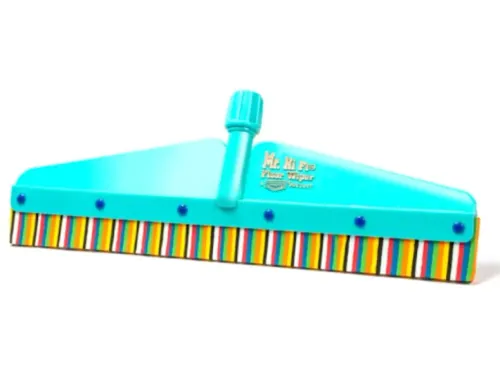
The blade must maintain continuous contact with the floor. A rounded, nicked, permanently curled, or chemically swollen edge leaves water bands behind and forces extra passes. Inspect edge straightness regularly, then fit a replaceable wiper blade before poor pickup wastes labour; this extends the usable cleaning cycles of the complete tool.
Cleaning practice also affects service life. Rinse visible soil after use, clean the head, and store it without compressing or bending the blade. A tool left in disinfectant or dragged across loose grit can deteriorate quickly, whatever its frame strength.
Match Blade, Width, and Handle Design to the Cleaning Work
Choose the wiper by floor area, obstacles, drainage, and cleaning frequency—not by weight alone. A narrow head turns easily around toilets and furniture; a wide head covers open floors faster but demands more storage space and operator control.
| Option | Best fit | Why |
|---|---|---|
| 40 cm floor wiper | Homes, small offices, washrooms, tiled rooms | Easier around corners, doorways, and furniture; suits light to frequent cleaning |
| 50 cm floor wiper | Schools, restaurants, offices, and medium commercial floors | Balances coverage, maneuverability, and the force needed to keep the blade in contact |
| 53 cm heavy duty floor wiper | Warehouses, loading areas, and large open floors | Moves more water per pass, but needs a clear route to a drain or collection point |
Match the floor wiper blade material to the cleaning chemistry and temperature. “Rubber” is not enough: acids, alkalis, solvents, oils, oxidizers, and hot water can cause swelling, hardening, cracking, or poor edge recovery. Ask for compatibility data when disinfectants or hot wash water are used.
For daily or multi-shift cleaning, choose a stiff head with a handle that resists bending and a secure socket or coupling. Very low mass can reduce impact resistance and force you to press harder.
A replaceable blade or head lowers cost per usable cleaning cycle because you replace the worn part instead of the complete assembly.
Use and Store the Wiper So the Wear Parts Keep Their Shape
Start by removing loose grit before wet cleaning; dragging sand under the blade cuts and rounds its edge. Keep the blade at a shallow angle, use steady pressure, and push water toward a drain or collection point. Forcing the head into corners or twisting the rod breaks the joint and distorts blade contact.
Use this routine for floor wiper maintenance:
- Rinse the blade after dirty water, detergent, or disinfectant use. Reusing a visibly soiled head spreads contamination and undermines cleaning tool hygiene.
- Inspect the edge at the end of each shift. Replace a rounded, nicked, curled, or chemically swollen wear part before it leaves wet bands and demands repeated passes.
- Hang the wiper or rest it with the blade unsupported. Do not leave the edge compressed beneath the head or against a wall.
- Keep sanitary-zone tools assigned or colour-coded. Never store the blade submerged in disinfectant; prolonged chemical exposure can swell the material.
| Practice | Protects | Failure prevented |
|---|---|---|
| Rinse, then air-dry | Blade shape and hygiene | Chemical swelling and contamination |
| Hang by the handle | Continuous edge contact | Permanent curls and flat spots |
| Replace the wear part | Usable cleaning cycles | Discarding an intact frame |
| Store off the floor | Head and socket | Dirt abrasion and accidental bending |
Good floor wiper storage reduces replacement cost because you replace the worn blade, not the complete handle and frame. A dry, correctly supported tool is ready for the next wet-dry cycle.
Test the Complete Assembly Before Putting It Into Service
A floor wiper quality check should test the assembled head, blade, handle, and attachment points together—not just the frame or rubber. For bulk floor cleaning tools, reject a unit that needs excessive pressure, leaves bands of water, or flexes at the connection.
1. Hold the handle and push the head across a wet, smooth floor at a shallow angle. The blade should stay in continuous contact without skipping, buckling, or leaving dry strips.
2. Complete the floor wiper blade inspection. Look along the full edge for nicks, rounding, curls, cracks, and chemical swelling; bend the blade lightly and release it. It should return to a straight wiping edge rather than retaining a crease.
3. Test the floor wiper handle joint by pulling the handle forward, backward, and sideways with moderate hand force. A sound socket, thread, rivet, or coupling stays tight without rocking, clicking, separating, or twisting.
4. Examine the rod and head after several wet passes. Reject visible bending, loose fasteners, shifting blade clips, or a joint that requires extra force to keep contact with the floor.
5. Rinse and dry the assembly, then repeat the inspection after it has fully dried. Wet-dry cycling exposes swelling, rust at metal connections, and fittings that loosen after use.
For a delivered batch, Unique Trading Company can provide a sample unit for this check before you approve the complete order. Test the sample on the same floor and with the same cleaning solution used at your site.
Related products
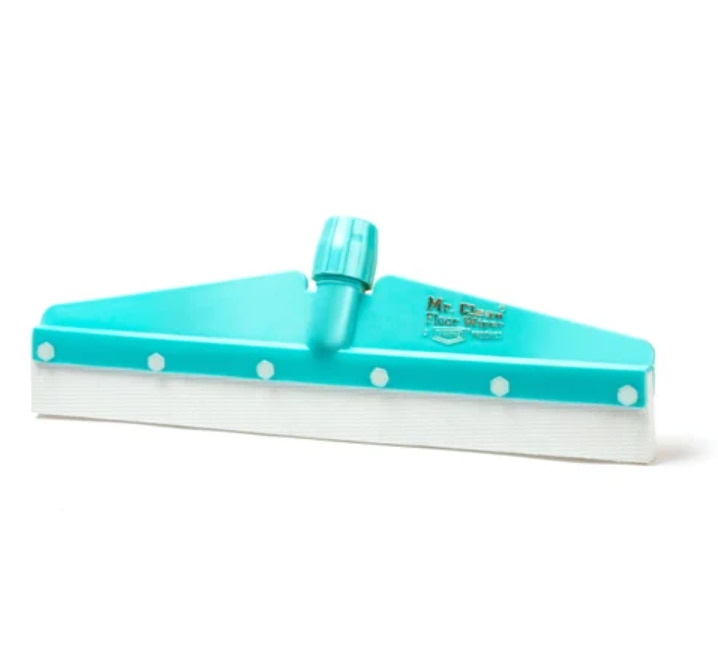 | Plastic Floor Wiper Approx. Price: Rs 108 / PieceGet Latest Price Product Details: Brand Unique Rod Material Iron Rod Length 106 CM Blade Length 40 cm Usage/Application... View product → |
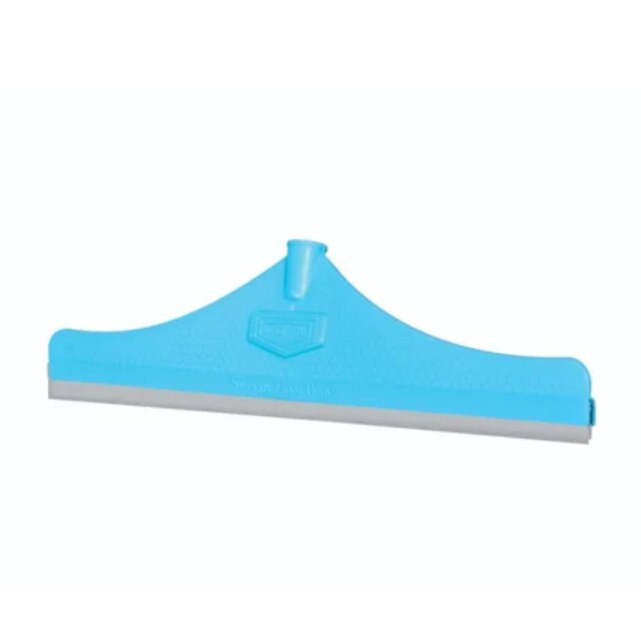 | Plastic Floor Wiper Approx. Price: Rs 132 / PieceGet Latest Price Product Details: Minimum Order Quantity 100 Piece Material Plastic Rod Length 125cm Blade Length 41 cm... View product → |
Know When a Durable Squeegee-Style Wiper Is the Wrong Tool
Use another tool when the surface needs scrubbing, absorption, or controlled disinfection rather than simple liquid transport. Floor wiper limitations show up on heavily textured floors, grout lines, stairs, tight corners, and nearly level areas without a drain: the blade loses continuous contact, leaves bands, or pushes water nowhere.
Floor wiper versus cotton mop and floor wiper versus microfiber mop are practical choices, not durability contests:
| Tool | Choose it when | Main advantage |
|---|---|---|
| Squeegee-style floor wiper | Moving free water across smooth, open flooring | Fast drainage with few wringing steps |
| Cotton mop | Absorbing small spills or applying cleaning solution in corners | High absorbency and flexible reach |
| Microfiber mop | Removing fine soil from finished floors with controlled moisture | Better contact with low water use |
Remove loose grit before wet cleaning:
- Use a broom for coarse dirt and sand.
- Use a vacuum for dust trapped in joints or edges.
- Use a dust mop for fine, dry soil on finished floors.
Choose a different tool when the job requires agitation, precision around fixtures, or absorption rather than water movement. Check the blade material before using acids, alkalis, solvents, oils, oxidizers, or hot water; chemical swelling or hardening can destroy edge contact.
For separated sanitary zones, assign color-coded tools and clean each head after use instead of spreading contamination.
Frequently asked questions
What makes a floor wiper durable for frequent cleaning?
Durability means the blade keeps its shape and removes liquid after repeated wet-dry cycles, while the handle and frame remain usable. A replaceable wear part can lower total replacement waste.
How do you choose the right floor wiper design?
Match the blade to the liquid and floor surface, choose a width that suits the cleaning area, and select a handle length that lets you work without excessive bending.
How should you use and store a floor wiper?
Rinse away grit after use, remove trapped debris, and store the wiper without bending or compressing the blade. Keeping the blade straight helps it maintain contact with the floor.
When is a squeegee-style floor wiper the wrong tool?
Choose another tool when the floor is heavily textured, the debris is dry and loose, or the task requires scrubbing rather than moving liquid.
Related products
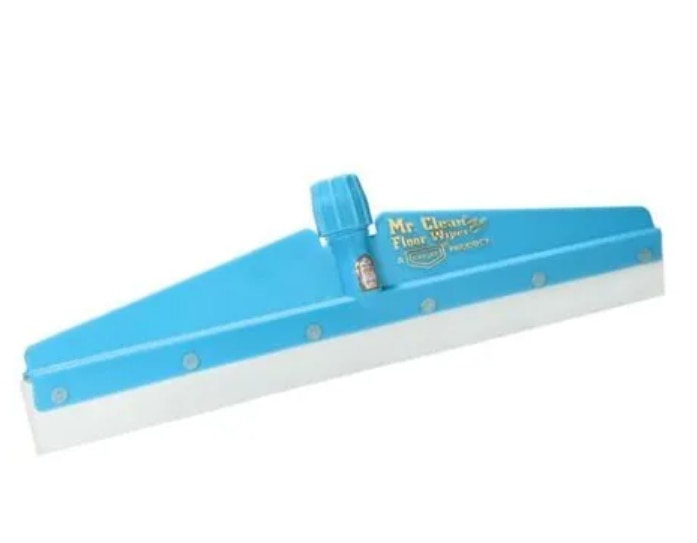 | Plastic Floor Wiper Mr Clean Plus Plastic Floor Wipers Approx. Price: Rs 158 / PieceGet Latest Price Product Details: Minimum Order Quantity 100 Piece Material Plastic Brand Unique Blade Material... View product → |
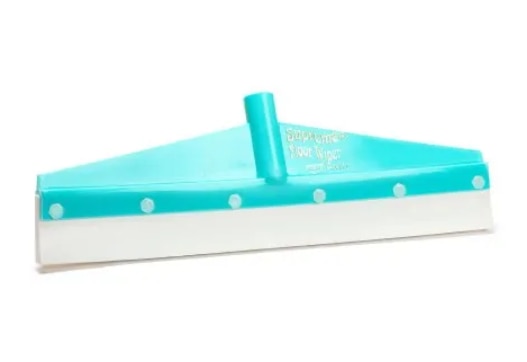 | Plastic Floor Wiper Approx. Price: Rs 102 / PieceGet Latest Price Product Details: Minimum Order Quantity 125 Piece Material Plastic Brand Unique Blade Material... View product → |
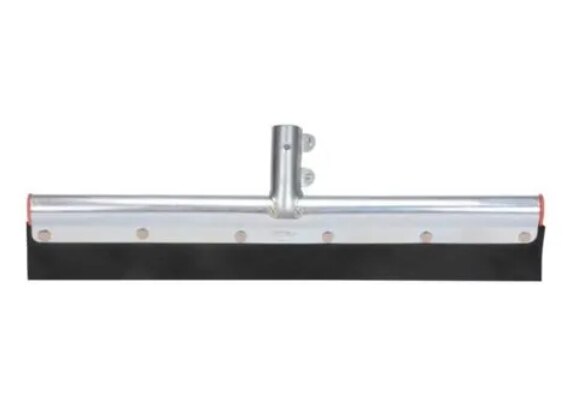 | Metallic Floor Wiper G041 Metallic Commercial Floor Wiper Approx. Price: Rs 152 / PieceGet Latest Price Product Details: Minimum Order Quantity 100 Piece Usage/Application For cleaning and wiping large floor... View product → |
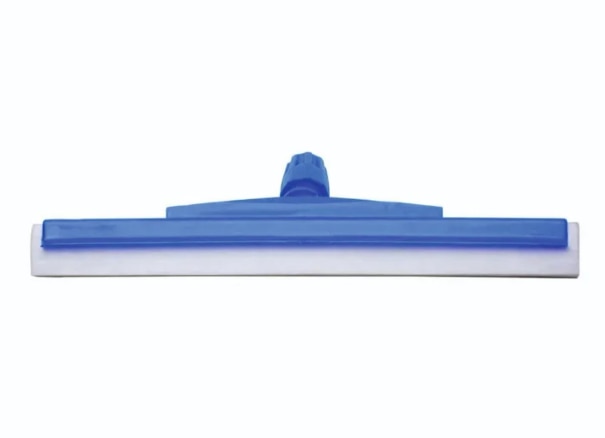 | Plastic Floor Wiper Heavy Duty Double Rubber Floor Wiper Approx. Price: Rs 250 / PieceGet Latest Price Product Details: Minimum Order Quantity 100 Piece Color Blue Brand Unique Adjustable Rod No Model P053... View product → |