
A Jala brush can look suitable in a catalogue and still fail because the head geometry, filament stiffness, handle connection or tuft retention does not match the cleaning job. By the end, you will have a practical way to compare samples, specifications, test results, compliance documents and landed costs before approving a manufacturer.
Key takeaways
- Match triangular, round or broom heads to corners, curves or broad flat surfaces.
- Specify filament material, stiffness and chemical resistance for the cleaning conditions.
- Test filament retention and handle security with a representative cleaning trial.
- Compare delivered cost, batch controls, lead times and replacement support.
Match the Head Geometry and Working Dimensions to the Cleaning Job
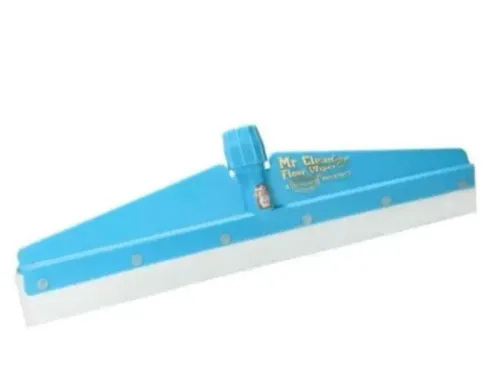
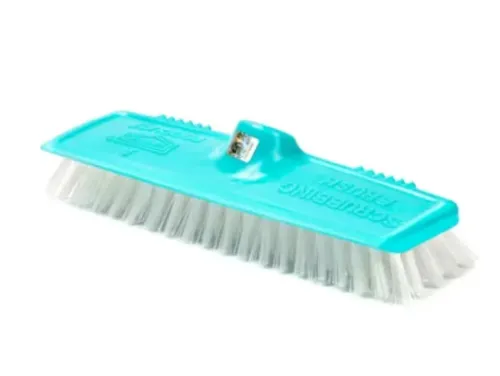
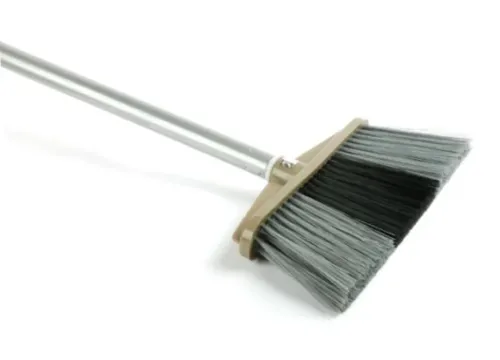
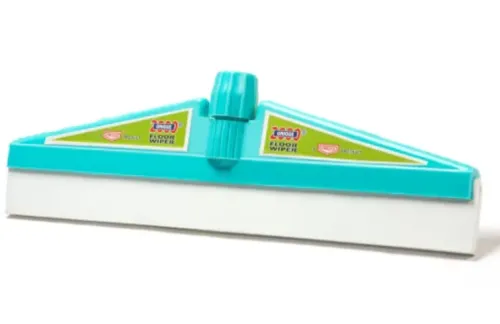
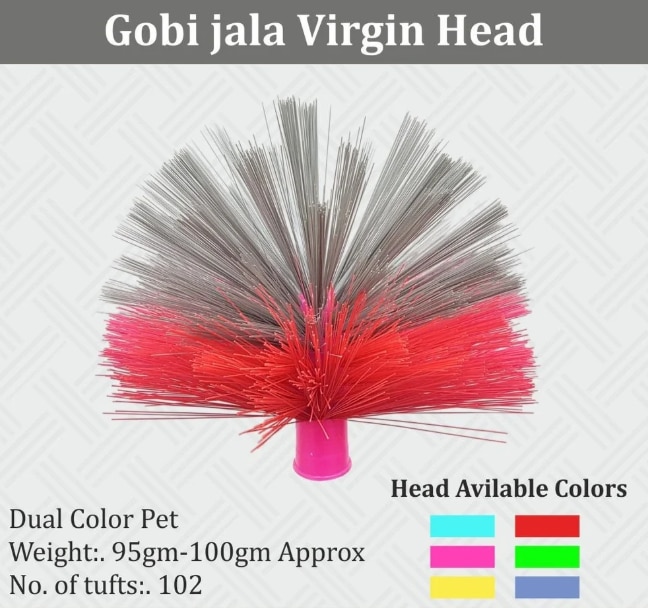
A triangular brush head reaches inside corners, along wall-ceiling junctions and around angled edges. A round brush head sweeps broad circular areas and follows curved surfaces such as fan blades, while broom head geometry suits large flat walls or ceilings with fewer passes.
| Head design | Best reach | Main limitation |
|---|---|---|
| Triangular | Inside corners, wall-ceiling junctions and angled edges | Smaller coverage per pass |
| Round | Broad circular areas and curved surfaces | Less effective in sharp corners |
| Broom-style | Large flat walls and ceilings | Awkward in narrow spaces |
| Replaceable | Different bristle types or worn heads without replacing the handle | Requires compatible spare heads |
Ask a Jala brush manufacturer for head width, head depth, filament length, trim length, head angle, total assembled reach, storage height and packed-carton dimensions. A bristle-length figure alone does not show cleaning coverage per pass. Confirm whether a stated five-foot size means the handle length or the fully assembled brush.
Require finished-product weight and dimensional tolerances; an approximate catalogue weight is not a performance guarantee. Measure a production-equivalent sample with a scale and tape measure, then inspect its fit, balance, reach and head alignment.
A replaceable head is the better choice when cleaning teams alternate filament types or need to change worn components without discarding serviceable handles.
Choose Filaments for the Surface, Chemistry and Moisture Conditions
Soft, fine filaments are the safest choice for cobwebs, loose dust, painted walls and delicate surfaces because stiff bristle pressure can scratch, mark or distort a finish.
| Surface and cleaning task | Recommended bristle stiffness | Main risk |
|---|---|---|
| Cobwebs, loose dust and delicate surfaces | Soft, fine filaments | Stiff bristles can snag or scratch |
| Painted walls and ceilings | Soft to controlled medium | Excessive pressure can burnish or remove paint |
| Textured plaster and general wall cleaning | Controlled medium | Fine filaments may not reach recesses |
| Robust, uncoated surfaces | Stiff filaments | Abrasion can still damage coatings or polished metal |
Reserve stiff filaments for robust surfaces where abrasion will not damage paint, glass coatings or polished metal. Ask for filament diameter, trim length and bristle stiffness, then test the brush on the actual surface rather than trusting a material name.
PET bristles can provide dimensional stability and resistance within defined temperature ranges. Nylon bristles resist abrasion, but absorb moisture and can lose stiffness. A polypropylene filament absorbs little water and resists many chemicals. Require compatibility data for the exact detergent or disinfectant, concentration and temperature.
For wet use, ask how the block, ferrule and handle prevent water ingress, odour, microbial growth, swelling and corrosion. Qualify virgin resin, recycled content and natural fibre separately; request material percentages, polymer identification and batch limits.
For food contact, obtain documentation against Regulation (EC) No. 1935/2004, Regulation (EU) No. 10/2011, FDA 21 CFR 177.1520 or the applicable market standard.
Inspect Filament Retention and Run a Representative Cleaning Trial
A brush earns approval only when its filaments stay anchored and its cleaning performance survives repeated use, not when the first sample looks full.
1. Inspect a production-equivalent sample for even tuft spacing, uniform trim and consistent filament diameter. Look for split ends, smell for abnormal odour, and check the block for cracks or distortion.
2. Flex the head repeatedly, then count loose filaments to measure bristle shedding. Pull several tufts by hand and see whether tuft anchoring loosens from the block. Filament count alone proves little: tuft depth, staple anchoring, adhesive coverage and block integrity determine failure.
3. Ask the manufacturer for a defined pull-out test or repeated-flex method, the minimum number of retained tufts and the maximum loose-filament count after testing. Reject “industrial strength” without measurable limits.
4. Run Jala brush sample testing on a production-equivalent painted wall, textured wall, ceiling, fan blade or narrow corner that matches the intended job. Record coverage per pass, dust pickup, cleaning time per room, shedding, marks, filament bending, operator fatigue and performance after repeated wetting and drying.
5. Approve a written specification covering filament diameter, trim length, tuft density, block and handle resin, colour tolerance, logo position, packaging and acceptable defects. Keep the tested unit as the golden sample and compare production against it; small changes in trim length or filament diameter can alter stiffness and coverage.
Verify the Handle Connection, Telescopic Mechanism and Safe Reach
Confirm whether the offer is a brush head only or a complete broom, and separate these options in your purchase specification. For a head-only Jala brush, record the socket size or diameter, thread type, locking mechanism and compatibility with the rods already used by your cleaning teams.
For a complete broom, require the Jala broom handle in every carton and specify:
- Handle material, grip diameter, assembled length and permitted connection tolerance.
- Telescopic handle collapsed and extended lengths.
- Lock strength under overhead load and wobble at full extension.
- Grip condition, replacement rods and replacement locks.
- Storage height, carton pack-out and available replacement parts.
Test the lock with the brush held overhead. A lock that slips under load can drop the head, while movement at full extension increases operator fatigue and reduces control.
Define a safe working reach from floor level instead of asking staff to overextend or stand beneath an unstable brush. Specify the head angle and joint movement: these determine whether the brush contacts ceilings, follows fan blades and reaches wall corners without twisting the handle.
A complete broom with an integrated handle reduces assembly labour and missing-part errors. A compatible replaceable head simplifies maintenance, transport and stock control when rods remain serviceable.
Qualify the Manufacturer’s Controls, Commercial Terms and Delivered Cost
A low ex-works price is meaningless if cartons consume pallet space, shortages reduce usable output, or defects require rework. Use this Jala brush supplier checklist to ask every manufacturer for the legal name, production-site address, written specification, batch traceability, incoming-material controls, product-control plan and corrective-action process.
If a supplier cites ISO 9001, verify the certificate’s legal entity, site, scope and expiry. ISO 9001 confirms a quality-management system within that scope; it does not prove brush durability, chemical resistance or food-contact compliance.
Record the standard, inspection level, AQL and critical, major and minor defect definitions in the AQL sampling plan. Set zero tolerance for detached tufts, exposed sharp metal, contamination, wrong colour and incorrect branding.
Approve a production-equivalent golden sample, logo revision, colour tolerance and photographs of unacceptable defects before ordering. Ask whether MOQ applies per finished SKU, colour, packaging language or production batch. Separate tooling ownership, maintenance, storage and transfer rights from the recurring unit price.
Compare bids using the same landed-cost lines:
| Cost item | Request | Why it matters |
|---|---|---|
| Carton and pallet | Dimensions, gross/net weights, pallet pattern and pack-out photographs | Freight and storage depend on cube |
| Commercial handling | Packaging labour, duties and classification | These sit outside ex-works price |
| Usable output | Shortages and defective-unit rate from a recent shipment | A cheaper lot can cost more per accepted brush |
Unique Trading Company can be assessed against these documents, tests and cost lines rather than catalogue claims alone.
Related products
 | Cleaning Brushes Unique Trading Company Unique Trading Company presents the high-quality Jala Brush, designed to deliver powerful and efficient cleaning for a wide... View product → |
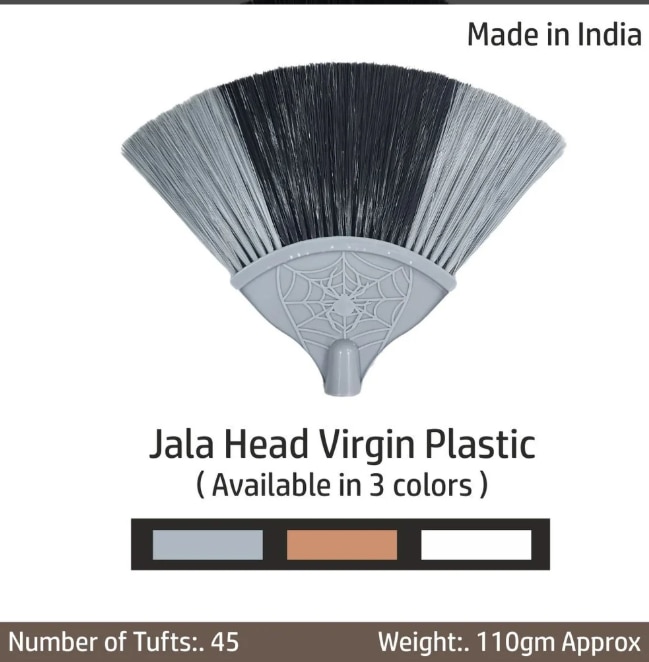 | Cleaning Brushes Unique Trading Company presents the high-quality Cleaning Brush, designed to deliver powerful and efficient cleaning for a wide range of... View product → |
Frequently asked questions
How do you choose the right Jala brush head geometry?
Choose triangular heads for corners and wall-ceiling junctions, round heads for curved surfaces and broom heads for broad flat walls or ceilings.
Which Jala brush filaments suit different cleaning conditions?
Match filament stiffness and material to the surface, cleaning chemicals, water exposure and required scrubbing force.
How can buyers test Jala brush quality before placing an order?
Run a representative cleaning trial and inspect filament retention, head durability and performance under the intended moisture and chemical conditions.
What should buyers check in a Jala brush handle?
Check the handle connection, telescopic mechanism, locking strength and working reach to confirm safe, stable cleaning.
How should buyers compare Jala brush manufacturers?
Review quality controls, production consistency, commercial terms, lead times, replacement support and the total delivered cost.
Related products
 | Cleaning Brushes Diamond Jala Brush (Sea Green) Approx. Price: Rs 22 / PieceGet Latest Price Product Details: Head Shape Triangular Bristle Material PET Handle Type Without Handle Usage Area Wall,... View product → |
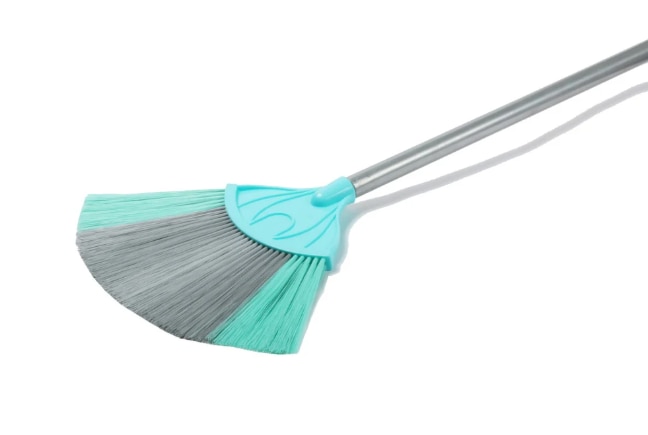 | Unique Celling Broom Approx. Price: Rs 140 / PieceGet Latest Price Product Brochure Product Details: Minimum Order Quantity 100 Piece Usage/Application Cleaning Broom... View product → |
 | Cleaning Brushes Approx. Price: Rs 22 / PieceGet Latest Price Product Details: Head Shape Round Bristle Material PET Handle Type Without Handle Usage Area Warehouse,... View product → |
 | Approx. Price: Rs 145 / PieceGet Latest Price Product Brochure Product Details: Minimum Order Quantity 22 Piece Handle Material telescopic handle rod... View product → |