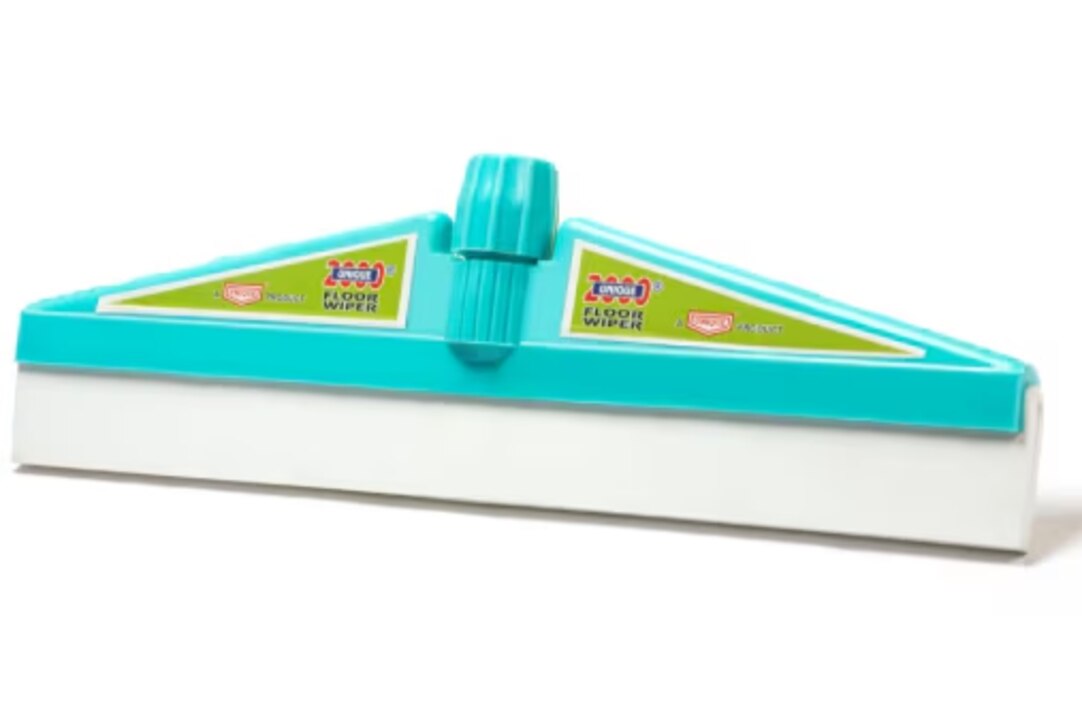
The best floor wiper depends on the space, floor finish, cleaning method and people who will use it—not simply on the widest blade or highest water pickup. By the end, you will be able to compare working width, blade behaviour, handle design, hygiene controls and total operating cost before choosing a model.
Key takeaways
- Measure tight routes before choosing a blade width.
- Use softer blades on textured floors and firmer blades on smooth floors.
- Check swivel movement, edge reach and full floor contact.
- Compare replacement parts and trial results, not just purchase price.
Choose the Blade Width for the Space You Clean
Choose floor wiper blade width from the tightest route, not the largest open room. Measure the corridor width, gaps between furniture and the turning radius at corners. A wide head improves cleaning speed on clear floors, but it increases missed edges and repositioning in washrooms, classrooms, production rooms and retail aisles.
| Space | Suitable approach | Check before choosing |
|---|---|---|
| Open floor with few obstacles | Choose the widest head you can control without repeated passes | Confirm it reaches walls without striking fixtures |
| Narrow corridor or aisle | Choose a head narrower than the corridor width | Turn it at doorways and end points without lifting |
| Furniture-dense room | Choose a medium or narrow head | Pass between legs, around bins and beside cabinets |
| Mixed site | Keep two widths instead of forcing one universal head | Assign each head to a defined area |
Check the swivel and clearance as carefully as the stated width. A joint that follows the handle reduces lifting, while excessive free play lets the head twist at thresholds and corners. Measure beneath the lowest installed fixture, not a showroom table; a low-profile head that fits there saves repeated hand cleaning.
In a disinfecting routine, speed cannot shorten the product label’s wet-contact time. Set the solution volume, application method and reapplication point so the head does not remove or redistribute disinfectant before that time ends. A second, narrower head often cleans edges faster than forcing a wide one through every obstruction.
Match the Blade to the Floor Finish
A soft, flexible blade with a clean, straight edge usually removes water best from smooth floors without streaking. Choose a harder compound for durability only when the floor is even; a stiff edge can skip across grout, textured concrete and uneven joints.
| Blade or head | Flexibility and edge profile | Best fit and main risk |
|---|---|---|
| Soft synthetic rubber blade | Flexible, thin straight edge that seals the surface | Ceramic tile, vinyl, marble and granite floors; folds under heavy pressure and wears faster |
| Medium synthetic rubber blade | Moderate flex with a defined wiping edge | Epoxy, smooth concrete and wood-look flooring; a practical balance of pickup and service life |
| Stiff rubber blade | Firm edge with limited deflection | Large, level floors; skips over grout lines and textured or uneven surfaces |
| Microfiber floor wiper | Flat absorbent head rather than a sealing blade | Dust and damp cleaning on smooth finishes; trapped grit can scratch polished or coated floors |
Inspect the edge before each trial. It must sit continuously against the floor, with no bow, hardened section, curl or missing corner; replace it when gaps leave parallel water trails. Test one pass on a smooth area and one across grout or texture, then check residual water under oblique light.
Excess downward pressure can mark coatings, so compare pickup using the same pressure and number of passes. A high-capacity sponge or cotton head may hold more liquid yet leave a wetter floor and increase wringing and laundry work.
Check Floor Contact, Swivel and Edge Reach
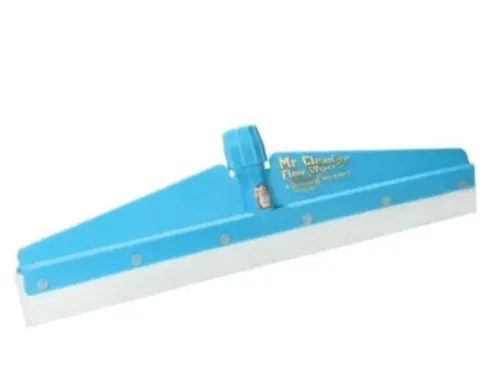
Place the wiper on the actual floor and check whether the blade maintains continuous contact across its full width. A straight blade edge should sit flat without daylight, a raised centre, or curled ends; a bowed or hardened edge will leave wet strips and require repeated passes. Push it forward without extra downward pressure.
Skipping, chatter or a dry line shows poor blade contact.
- Slide the head across smooth flooring, then over grout lines or textured areas. Watch whether the edge flexes to follow the surface instead of bridging hollows.
- Hold the handle at normal working height and sweep left and right. A swivel head should follow the handle smoothly, without lifting the far edge or twisting when you change direction.
- Test the joint at its full working angle. Excessive free play lets the head flip at thresholds and corners; a joint that locks too early forces you to lift and reposition it.
- Measure the clearance beneath the lowest installed fixture, not a showroom table. Push the head underneath far enough to clean the hidden area without the handle or connector striking the furniture.
- Run the head into an inside corner and along skirting boards. The blade should reach the junction without its end folding away, while the head’s shape should avoid leaving a triangular strip.
- Check the rear and side edges for protrusions that block close-wall cleaning or catch on chair legs.
If the head cannot stay flat during these movements, a wider blade will not solve the missed areas. Choose the design with stable articulation and enough low-profile clearance.
Test the Handle, Joint and Replacement Compatibility
Set the floor wiper handle length so your elbow stays slightly bent and the head reaches the floor without shoulder lifting. Test the grip with wet hands: it should resist rotation, feel secure without excessive squeezing and remain comfortable through a full cleaning route.
| Option | Main benefit | Check before buying |
|---|---|---|
| Fixed handle | Fewer parts to loosen or fail | Confirm its length suits every operator and storage area |
| Adjustable handle | Fits different users and tasks | Lock it at full extension and test it with a loaded, wet head |
Assess the handle joint and connectors under force, not while the wiper is empty.
- Press the head forward and pull it back across a wet floor. Reject any joint that clicks, twists or shortens.
- Repeat the movement with the handle fully extended. A telescopic tube that slips will make you compensate with your wrist and shoulder.
- Check that threaded connectors seat fully, do not wobble and can be tightened without tools that operators will lose.
- Ask whether the joint, cap, pole section and blade can be bought separately.
Run the lock through repeated wet and dry adjustments before approval. A joint that feels firm in the showroom can loosen after water, detergent and daily handling. Confirm replacement blade compatibility by matching the connector shape, width and locking method; a cheap head is not repairable if its blade has no available replacement.
Run a Trial That Measures Hygiene and Total Cost
Compare candidates on the same measured route, floor finish and soil load, then calculate results per cleanable square metre. A brief visual check rewards a head that leaves excess water, not one that cleans efficiently.
Your floor wiper buying checklist should record:
- Solution volume, water use, number of passes and operator effort.
- Pickup at edges and corners, linting, marks, scratches and drying time.
- Head condition after laundering, including hardening, distortion, trapped grit and odour.
| Measure | Stronger result | What it reveals |
|---|---|---|
| Cleaning performance | Fewer passes with low residual moisture | Lower labour, water use and slip risk |
| Hygiene control | Full wet coverage for the label’s disinfectant contact time | The head is not removing solution before disinfection works |
| Operating cost | Lower rupee cost per cleanable square metre | More useful than the purchase price alone |
For healthcare cleaning, write the trial method into the procedure: state solution volume, application method, reapplication point and when the head changes. Control dirty-to-clean movement, collect used heads without cross-contamination, and follow validated laundering microfiber heads processes; CDC guidance calls for healthcare mop heads to be cleaned daily and dried before reuse.
Calculate total cost of ownership by adding replacement heads, handles and blades, chemicals, water, laundering, drying time, stockholding, training, downtime and labour for wringing or repeated passes. Ask Unique Trading Company to supply trial units against this same worksheet, rather than comparing catalogue prices.
A cheaper head is uneconomic if it needs two extra passes or more disinfectant.
Related products
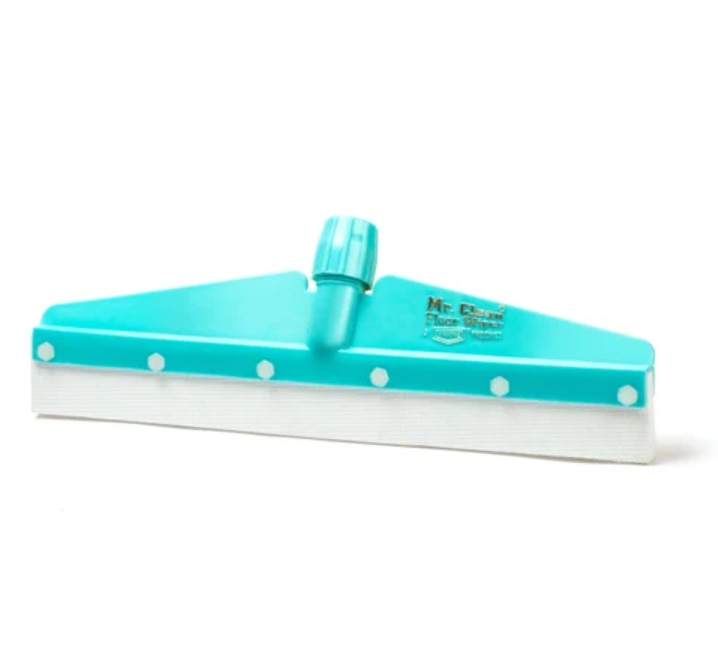 | Plastic Floor Wiper Approx. Price: Rs 108 / PieceGet Latest Price Product Details: Brand Unique Rod Material Iron Rod Length 106 CM Blade Length 40 cm Usage/Application... View product → |
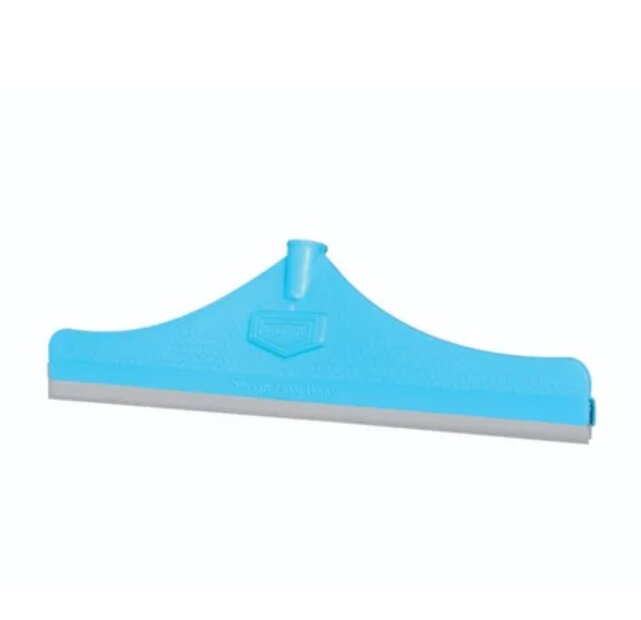 | Plastic Floor Wiper Approx. Price: Rs 132 / PieceGet Latest Price Product Details: Minimum Order Quantity 100 Piece Material Plastic Rod Length 125cm Blade Length 41 cm... View product → |
Frequently asked questions
How do I choose the right floor wiper blade width?
Measure the narrowest corridor, furniture gap and corner turning radius you clean. Choose a head that fits those routes without repeated repositioning.
Which floor wiper blade suits my floor finish?
Match the blade to the surface. Softer, flexible blades follow textured floors, while firmer blades remove water efficiently from smooth, sealed floors.
What floor wiper features improve cleaning around edges?
Look for consistent floor contact, a swivelling joint and blade edges that reach skirting boards, corners and spaces beneath furniture.
What should I check on the handle and joint?
Test handle stiffness, grip comfort, joint movement and the security of the connection. Confirm that replacement blades and compatible parts are available.
How can I compare a floor wiper's total cost?
Run a trial that records cleaning time, passes required, water left behind, operator effort and the cost and availability of replacement parts.
Related products
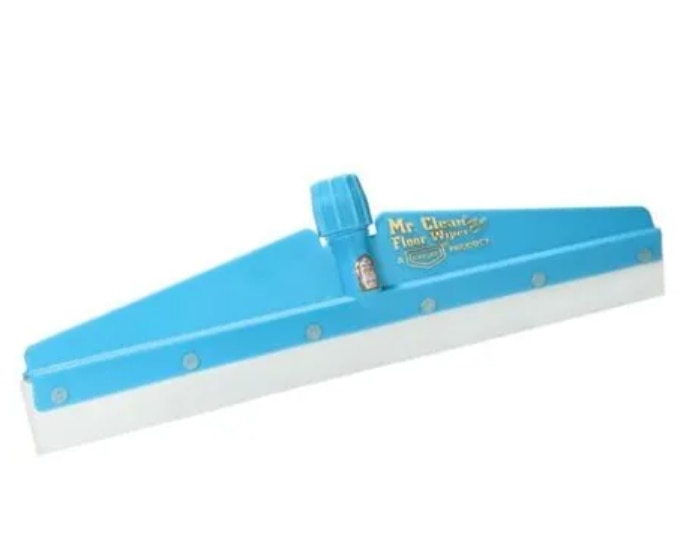 | Plastic Floor Wiper Mr Clean Plus Plastic Floor Wipers Approx. Price: Rs 158 / PieceGet Latest Price Product Details: Minimum Order Quantity 100 Piece Material Plastic Brand Unique Blade Material... View product → |
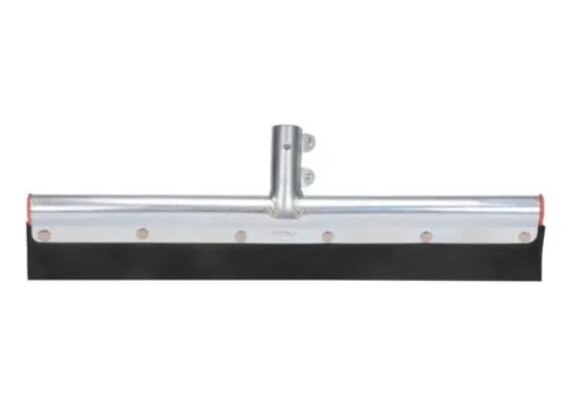 | Metallic Floor Wiper G041 Metallic Commercial Floor Wiper Approx. Price: Rs 152 / PieceGet Latest Price Product Details: Minimum Order Quantity 100 Piece Usage/Application For cleaning and wiping large floor... View product → |
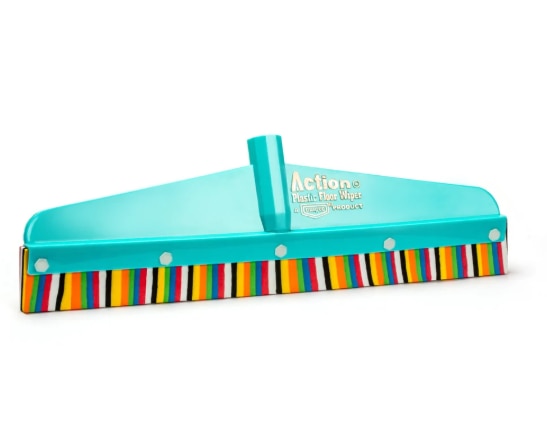 | Plastic Floor Wiper Approx. Price: Rs 140 / PieceGet Latest Price Product Details: Minimum Order Quantity 100 Piece Material Plastic Brand Unique Blade Material... View product → |
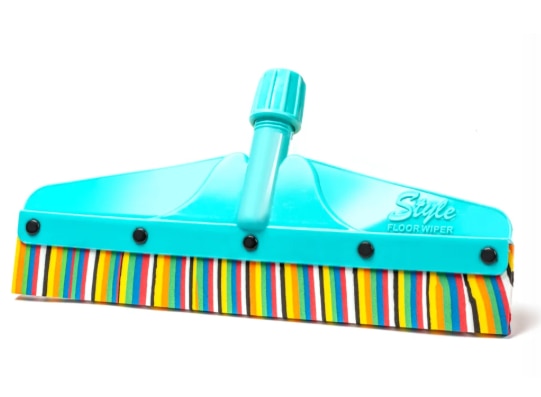 | Plastic Floor Wiper Approx. Price: Rs 130 / PieceGet Latest Price Product Details: Minimum Order Quantity 100 Piece Material Plastic Brand Unique Blade Material... View product → |