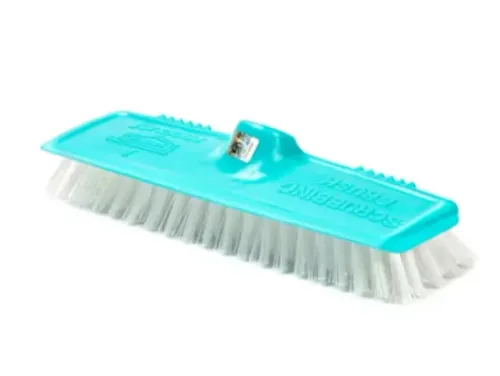
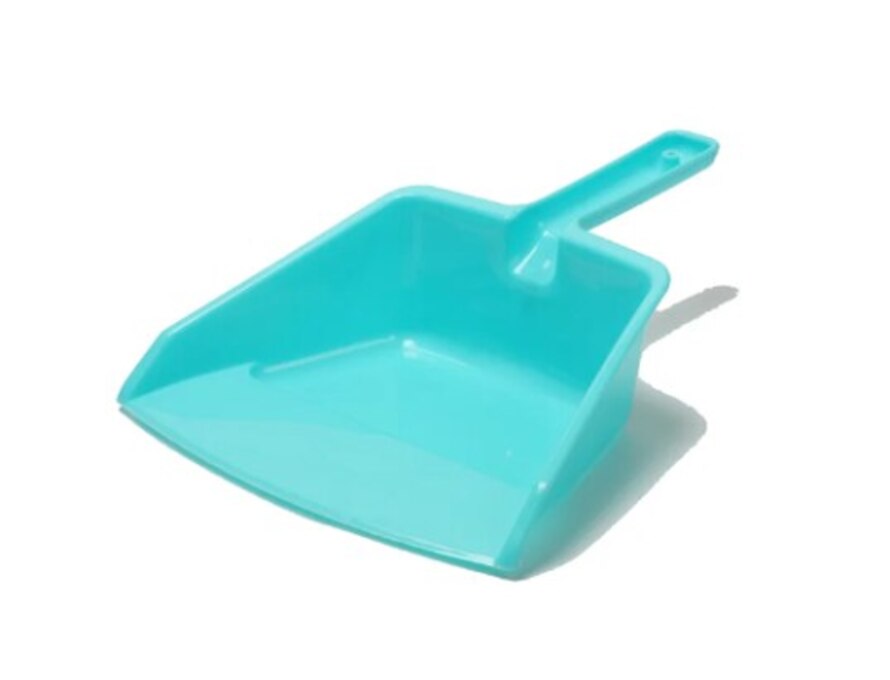
A Sweepy Pan saves time when dry debris is concentrated in a small area, but only if its floor-contact lip meets the surface and the collection motion keeps debris contained. By the end, you will know how to use one without scattering dust, which cleanup jobs suit it, and how to compare its design with other collection tools.
Key takeaways
- Keep the pan lip flat to stop dust lines.
- Use sweepy pans for dry debris, not liquids or sticky spills.
- Choose short handles for close work and long handles for standing cleanup.
- Compare lip flexibility, mouth width, stability, handle height, and brush fit.
How to Sweep Debris Into a Pan Without Leaving a Dust Line
Keep the floor-contact lip flat against the floor before the first stroke. A flexible lip closes small gaps on textured vinyl, grout, or worn concrete; a curled or uneven edge leaves a visible line of flour, grit, hair, or dry dust behind.
- Gather the debris into a small pile with slow strokes. Start at the outside edge and sweep inward so you do not push material under furniture or scatter it sideways.
- Place the Sweepy Pan mouth directly beside the pile, with the lip touching the floor along its full width.
- Hold the pan steady and sweep into the centre of the mouth. Use short, controlled strokes rather than fast strokes that send crumbs and hair past the sides.
- Make one final stroke across the floor and into the pan. If a line remains, reset the lip instead of repeatedly sweeping over the same spot.
- Lift the pan smoothly while keeping it level. A sudden tilt spills fine particles back onto the floor.
- Carry it to the bin and tip the contents from the rear of the pan. Check the floor once, then brush away any remaining stray pieces.
This method suits localized, dry debris such as crumbs, rice, hair, small paper pieces, and packaging fragments. Do not use dry sweeping as the sole dust collection method for dispersed nuisance dust, allergens, liquids, mud, sticky residue, or sharp shards; use suitable vacuuming or controlled wet cleaning instead.
Which Messes a Sweepy Pan Handles—and Which It Does Not
Use a Sweepy Pan for localized, visible dry waste that gathers on a hard floor. It handles crumbs, hair, rice grains, small paper pieces, packaging fragments, and small quantities of grit without requiring a larger cleaning setup.
| Debris | Sweepy Pan decision | Use another method when |
|---|---|---|
| Dry dust, crumbs, rice grains and small paper pieces | Suitable for a small, visible spill | Dust is spread across a room or settled into carpet |
| Hair and threads | Suitable; a comb ridge can strip them from broom bristles | Hair is mixed with grease, damp waste, or material from a contaminated room |
| Grit and light packaging fragments | Suitable in small quantities | Sharp shards could cut hands or damage the pan |
| Liquid, mud, wet waste and sticky residue | Do not sweep into the pan | Mop, scrape, absorb, or collect with gloves and suitable tools |
A pan does not replace a vacuum for allergens, nuisance dust, or fine powder. Dry sweeping can lift fine particles into the air, so use a filtered vacuum or controlled wet-cleaning method where inhalation or contamination matters.
Do not use the pan as the only control for flour, hazardous powder, or debris embedded in carpet. Clean the hair comb after use; grease and damp particles trapped there can transfer between rooms and turn a quick collection tool into a cross-contamination point.
Why the Pan Edge, Mouth and Stability Matter More Than Capacity
A clean collection depends more on the edge meeting the floor, the pan mouth width, and stability under the broom than on holding another handful of debris. A large capacity cannot rescue a pan that leaves grit behind, tips during the final stroke, or sends crumbs around a narrow opening.
| Feature | What to look for | What goes wrong when it fails |
|---|---|---|
| Dustpan lip | Flexible rubber or elastomer edge that lies flat without gaps, curls, or bends | A rigid or uneven lip leaves flour, hair, and grit on textured vinyl, grout, or worn concrete |
| Pan mouth width | Broad opening that matches the broom head and gives debris a direct path | A narrow mouth forces repeated strokes and scatters material sideways |
| Pan depth | Enough depth to contain the pile, with a low front and no obstructive raised wall | A shallow or poorly shaped pan lets debris roll over the front |
| Stability | Non-slip base or steady standing design; handle stays firm under light pressure | Sliding, tipping, or flexing turns collection into a second sweep |
Pan depth still matters, but only after the opening and edge work. Choose extra volume for bulky dry waste or fewer trips; avoid filling a deep pan with dense grit, wet debris, or offcuts because its weight becomes awkward to lift.
For repeated use, choose a smooth, non-porous interior. It empties and disinfects more completely than textured liners, especially around hinges, molded seams, and lip joints where residue hides. Fine nuisance dust or hazardous powder needs controlled vacuuming or wet cleaning, not dry sweeping alone.
Short Handle, Long Handle or Brush Set: Match the Tool to the Job
Choose a short-handled dustpan for a small, nearby mess; choose a long-handled dustpan or walking dustpan when repeated collection would leave you bending across a large floor. The right choice depends on reach, collection frequency and whether you need a matching brush.
| Option | What it means | When it applies |
|---|---|---|
| Short-handled dustpan | A low pan used close to the floor, usually with a hand brush | Occasional crumbs, hair and dust around desks, kitchens, shelves or furniture |
| Long-handled dustpan | A pan with an upright handle that reduces bending | Repeated spot collection in corridors, shops, offices and production areas |
| Walking dustpan | A standing pan designed to stay open while you sweep debris into it | Large floors and cleaning rounds, provided the mouth does not slide or tip |
| Pan with a brush | A matched pan and crumb brush stored or carried together | Quick small spills when you need both tools immediately |
| Standalone pan | A pan without an included brush | Teams that already use a suitable broom or hand brush and want to replace only the pan |
For close work, a short pan is faster to position around chair legs and skirting boards. A long handle saves effort during repeated rounds, but reject one that flexes, feels awkward or makes the mouth hard to control.
Test a standing pan on the actual floor. Sweep fine dust and hair into it; if the pan slides, tips backward or closes under a normal stroke, its larger capacity will not save time. Check the handle joint and storage fit too.
Colour coding can separate cleaning zones, but it does not replace emptying, washing and drying the tools.
A Practical Comparison Checklist for Homes and Cleaning Teams
Choose by the cleanup you repeat, not by pan capacity alone. Compare the vacuum versus dustpan decision against floor type, debris, operator effort, floor protection and disposal speed.
| Option | Best repeated use | Failure or cost |
|---|---|---|
| Sweepy Pan | Dry crumbs, hair, grit and small paper on hard floors | A poor lip leaves a dust line; bending increases fatigue |
| Vacuum | Fine dust, allergens, carpet and larger areas | Costs more time to fetch, charge, empty and maintain |
| Wiping | Fine residue after sweeping or a controlled damp clean | Spreads dry grit and creates moisture on unsealed surfaces |
| Hand collection | A few large pieces or an isolated item | Slow, unhygienic and unsuitable for sharp or contaminated waste |
Test a candidate before ordering multiple units:
- Run flour, hair and grit across the target floor. Reject a pan whose edge leaves a visible line on textured vinyl, grout or worn concrete.
- Push with a normal sweeping stroke. The mouth must stay open and stable rather than slide, tip backward or flex.
- Check floor protection: the lip should not scratch finished flooring, and the pan should not drag grit across it.
- Twist the handle-to-pan joint, then check grip comfort during ten repeated collections. Looseness or a tiring grip becomes a team-wide delay.
- Measure the assembled tool against the cleaning cart, rack or cupboard. Unique Trading Company buyers comparing wholesale cleaning tools should request sample units before committing to a large team order.
- Use a vacuum or controlled wet method for nuisance dust, allergens, hazardous powders, wet waste and sticky residue; sweeping alone can redistribute fine particles.
Related products
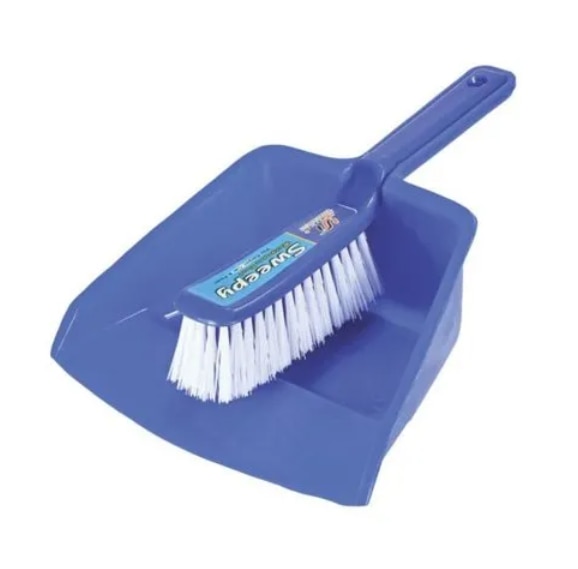 | Dust Pan Approx. Price: Rs 114 / PieceGet Latest Price Product Details: Minimum Order Quantity 100 Piece Color Blue Material Plastic Brand Unique Model Number... View product → |
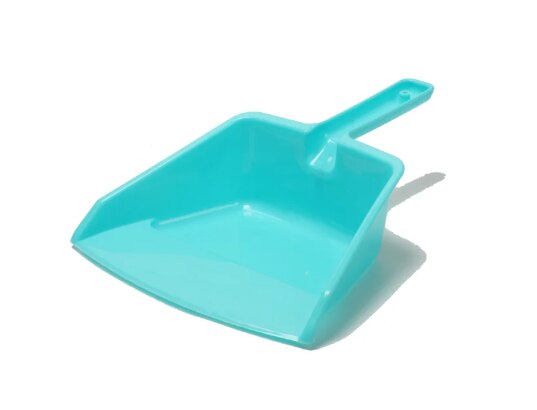 | Dust Pan Approx. Price: Rs 40 / PieceGet Latest Price Product Brochure Product Details: Minimum Order Quantity 125 Piece Color Blue Material Plastic Brand... View product → |
Frequently asked questions
How do you sweep debris into a pan without leaving a dust line?
Keep the floor-contact lip flat against the floor and push debris toward the centre of the pan. A flexible, even lip closes small gaps on textured vinyl, grout, and worn concrete.
What messes can a sweepy pan handle?
A sweepy pan handles dry dust, flour, grit, hair, crumbs, and similar loose debris. Do not use it as the main tool for liquids, wet sludge, or sticky spills.
Why do the pan edge, mouth, and stability matter?
A flat edge limits debris left behind, a wide mouth reduces missed strokes, and a stable base stops the pan tipping while you sweep.
Should you choose a short handle, long handle, or brush set?
Choose a short handle for counters, corners, and close work; a long handle for floor cleaning without bending; and a brush set when you need a matched sweeping tool.
Related products
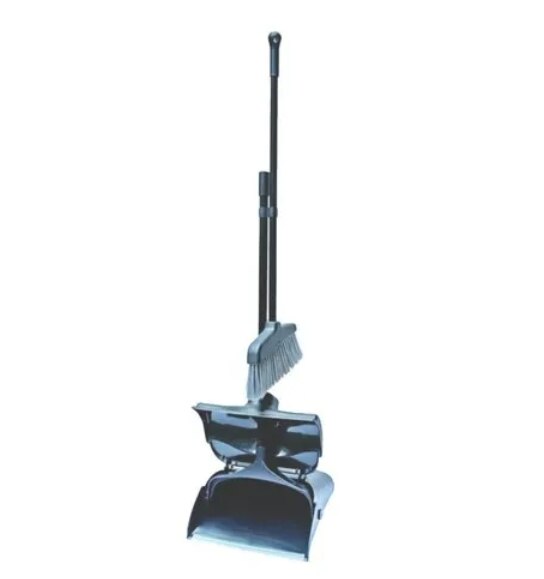 | Dust Pan Approx. Price: Rs 585 / PieceGet Latest Price Product Details: Minimum Order Quantity 50 Piece Color Black Brand Unique Automation Grade Manual... View product → |
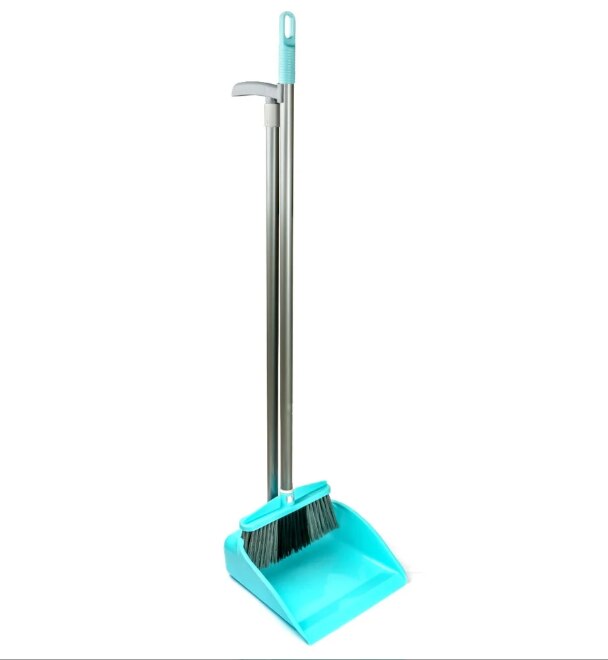 | Dust Pan Approx. Price: Rs 294 / PieceGet Latest Price Product Brochure Product Details: Minimum Order Quantity 100 Piece Color Blue Structure Open Top... View product → |