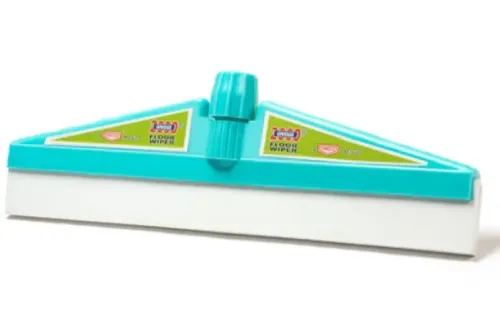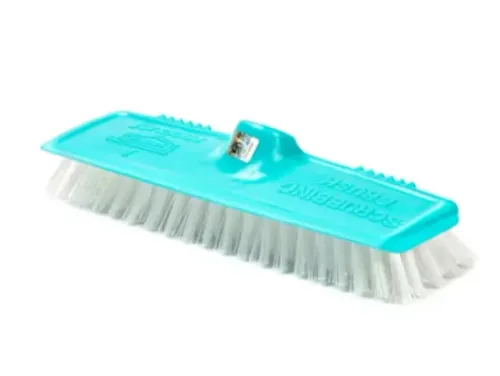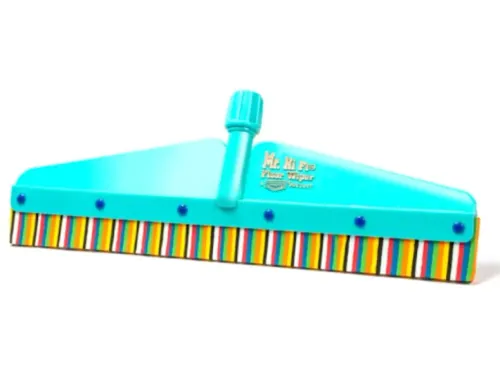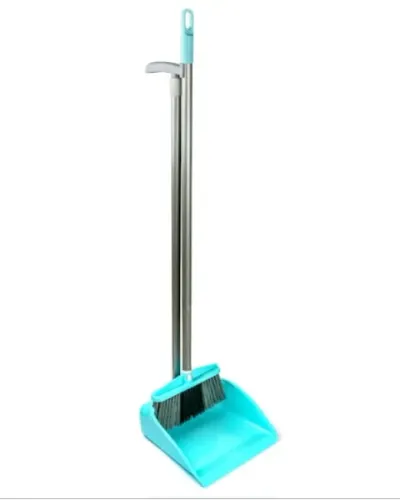
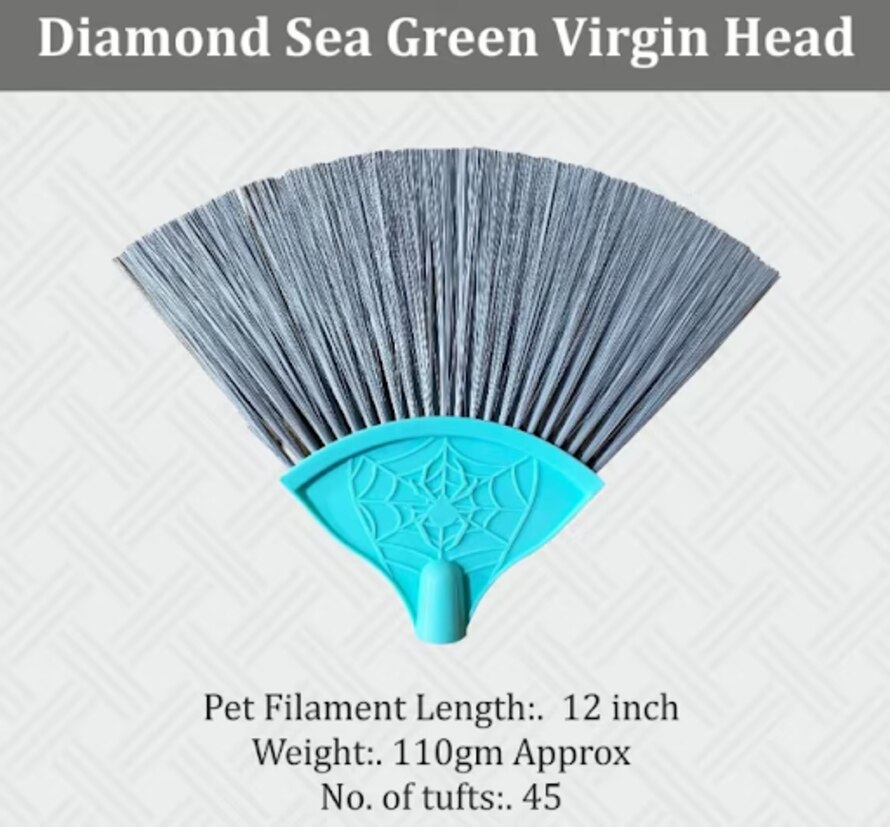
A Jala brush can look acceptable in a catalogue and still fail through loose tufts, cracked plastic, incompatible handles, or inconsistent bulk production. By the end, you will have a practical supplier checklist covering construction, factory controls, testing, documentation, and shipment acceptance.
Key takeaways
- Request capacity records and comparable-order references before approving a manufacturer.
- Specify bristle material, length, stiffness, density, head size, and connector dimensions.
- Test brush performance with your actual surfaces, chemicals, temperatures, and cleaning methods.
- Put approved samples, tolerances, inspection rights, and replacement terms in the purchase order.
Can the manufacturer produce the same brush reliably at scale?
A repeat order is reliable only when the Jala brush manufacturer can show controlled production, not just a convincing sample. Request a factory tour or live video review, the monthly production capacity, active-line capacity for your order, equipment list, staffing by shift, and records showing completed orders of comparable volume.
1. Verify factory capability at each checkpoint: incoming inspection for bristle, block resin, handle, pigment, adhesive and staple wire; in-process checks for dimensions, moulding, tuft anchoring and assembly; and final inspection before packing.
Ask for production samples, not only pre-production samples, and test bristle retention, block-to-handle pull-out, bending or torque resistance, and dimensions under your intended wet, dry, chemical and temperature conditions.
2. Demand lot traceability from every raw-material batch through finished-goods cartons. Each investigation record should identify the production date, machine or line, shift, inspection results, raw-material lots and shipment destinations; a printed date code alone is not enough.
3. Check the ISO 9001 certificate’s scope, issuing certification body, expiry date and covered manufacturing site. Treat it as evidence of an audited quality system, not proof of bristle stiffness, retention or chemical resistance.
4. Put controls into the purchase file. Define master-carton size and gross weight, pallet pattern, carton marks, moisture protection and barcode rules, then request distribution testing using an applicable ISTA procedure. Require written notice, retained samples and requalification before any change to filament, pigment, adhesive, mould, resin or supplier.
If using ISO 2859-1 sampling, state the lot definition, inspection level, AQL and critical, major and minor defects.
Which bristle and brush-head specifications should you approve?
Approve a brush only when its construction is specified with measurable values, not described as “premium” or shown in a clean product photograph. Record the polymer or fibre, PET bristle quality, filament diameter, trim length, fill density, tufting or staple method, block material, head dimensions, wall thickness, and tolerances.
| Feature | Approve | Reject |
|---|---|---|
| Bristle | Named PET grade, stated diameter, even trim and fill density | “PP/PET bristle” with no grade, diameter or density |
| Tuft anchoring | Specified staple or tuft method; no looseness after pull testing | Tufts twist, shed or pull out by hand |
| Head construction | Identified plastic resin, measured wall thickness and smooth moulding | Thin sections, flash, voids or sharp unfinished edges |
| Geometry | Hole or socket alignment within the agreed tolerance | Off-centre holes that prevent straight rod fitting |
| Edges | Rounded, sealed edges without cracks or burrs | Cutting edges, split corners or exposed wire |
Set minimum test values around the intended wet, dry, chemical and temperature conditions; no universal pass/fail value suits every Jala brush. Check production samples, not only prototypes.
- Brush bristle retention after repeated flexing and wet use
- Block-to-handle or block-to-connector pull-out force
- Head impact resistance and cracking after drops
- Dimensional consistency across samples
Treat recycled-content or sourcing claims separately. Ask whether the claim covers bristles, block, handle or packaging, then request recycled-content records or chain-of-custody documents that match that specific component. Requalify the brush after any change to filament diameter, pigment, staple wire, adhesive, block resin or mould.
Will the head, handle, and connector work in your cleaning conditions?
Confirm handle compatibility from measured connector dimensions and production-sample testing, not from a catalogue name. Ask for a drawing showing thread dimensions, thread pitch, outside diameter, socket depth, locking features, and allowable rod diameter.
Check the telescopic rod fit with the exact rod model you will issue. A head that screws on easily can still loosen under scrubbing torque, pull out during a reach, or crack when the rod is fully extended.
Request these checks in writing:
- Fit the head to the intended rod and record engagement depth, wobble, locking strength, and thread damage after repeated attachment.
- Test block-to-connector pull-out and handle bending or torque resistance using an agreed method and minimum values.
- Run the brush on the actual floor, wall, tank, or equipment surfaces; inspect the head for cracking, edge wear, and bristle loss.
- Expose samples to the exact bleach, quaternary-ammonium, acidic, alkaline, solvent, and hot-water conditions used at your site, then document chemical resistance.
- Repeat the tests at the lowest and highest operating temperatures, including storage temperature if the brush travels between locations.
Use production samples, not only pre-production samples, and measure connector dimensions, head geometry, and bristle retention across the batch. For hygienically controlled work, reject unsealed hollow parts and crevices that trap water. Require written approval before any change to resin, filament, adhesive, pigment, staple, mould, or connector supplier.
How should you sample, test, and define bulk-order consistency?
Approve one pre-production sample as the reference, then test a production sample from each agreed lot against it before shipment. Keep a retained sample from both stages, sealed and labelled with the date, lot, raw-material batches, line and shift.
Put each test method, minimum value and tolerance in the purchase specification; a catalogue name cannot settle a dispute.
1. Sign off the pre-production sample only after recording bristle polymer, filament diameter, trim length, fill density, block dimensions, connector dimensions and total weight.
2. Define the lot, draw an inspection sample, and require the supplier to identify every production piece by lot code. State the inspection level, AQL, and critical, major and minor defects in the contract.
3. Test production pieces for bristle retention, block-to-handle pull-out, handle bending or torque resistance, and dimensional consistency under the agreed wet, dry, chemical and temperature conditions.
4. Hold the lot if any result exceeds the written limit. Do not replace an inspection failure with a later passing sample.
| Check | Approved reference | Production acceptance |
|---|---|---|
| Dimensions | Record each dimension | Within the stated tolerance, such as ±X mm |
| Bristles | Record diameter, trim and density | No value below the agreed minimum |
| Assembly | Record pull-out and torque results | Meets or exceeds each minimum |
| Use test | Record shedding, odour and chemical exposure method | No failure under the specified cycle |
Require written notification before any change to filament, pigment, adhesive, staple wire, block resin, mould or supplier. Requalify the changed brush against the reference and retain the approval record before shipment.
Which documents and commercial terms protect the wholesale order?
A supplier’s promise becomes enforceable only when the approved sample, purchase order, and quality annex describe the same SKU. Attach the final drawing, tolerances, inspection method, packaging specification, and replacement deadline; identify each production lot by batch number.
Request this file before paying the balance:
- Material declaration naming the bristle polymer, block, connector, pigments, coatings, adhesives, and recycled content; add REACH or SVHC communication where applicable.
- Inspection report tied to the batch, with measured dimensions, tuft count, visual defects, and test results.
- Packing list showing carton count, pieces per carton, gross weight, net weight, carton dimensions, and batch numbers.
- Country of origin, carton marks, barcode rules, and any food-contact declaration required for the intended use.
| Control | Write into the purchase order | Commercial protection |
|---|---|---|
| Pre-shipment inspection | ISO 2859-1 sampling level, AQL, lot definition, and critical, major, and minor defect limits | Hold payment or reject the lot; set zero tolerance for safety-critical defects |
| Packaging validation | Master-carton dimensions, pallet pattern, moisture barrier, and ISTA transport test | Supplier repacks or replaces crushed, punctured, or short cartons |
| Nonconformity | Photos, retained samples, notice period, and inspection access | Supplier replaces defective pieces at its cost within a fixed number of days |
| Shortage or mismatch | Packing list reconciled against the received batch number | Credit or replacement, including agreed freight responsibility |
Ask Unique Trading Company to place these documents and remedies on the quotation, not in an informal message. A signature, revision date, and SKU code prevent a later “that was only a sample” dispute.
Related products
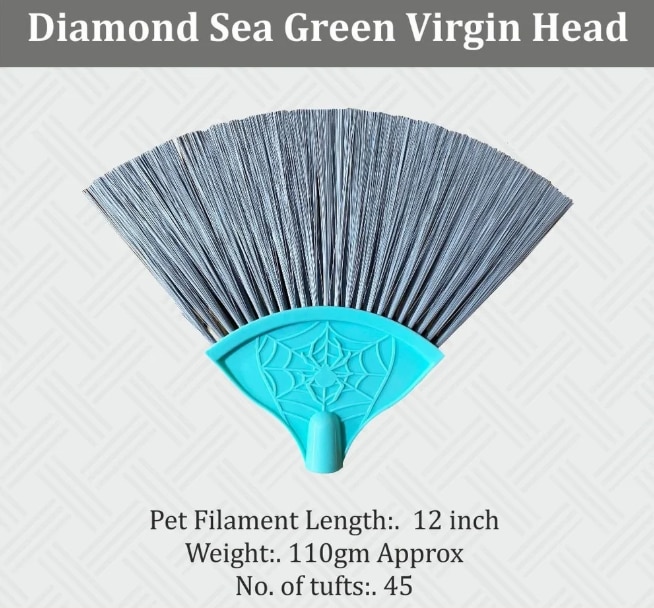 | Cleaning Brushes Unique Trading Company Unique Trading Company presents the high-quality Jala Brush, designed to deliver powerful and efficient cleaning for a wide... View product → |
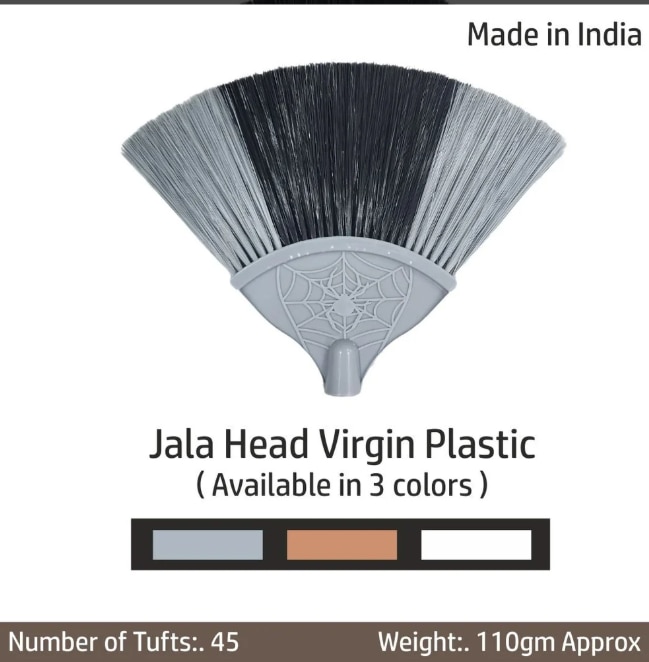 | Cleaning Brushes Unique Trading Company presents the high-quality Cleaning Brush, designed to deliver powerful and efficient cleaning for a wide range of... View product → |
Frequently asked questions
Can a Jala brush manufacturer produce the same brush reliably at scale?
Check the factory or request a live video review, then verify monthly capacity, capacity allocated to your order, equipment, shift staffing, and records of comparable completed orders.
Which bristle and brush-head specifications should you approve?
Approve the bristle material, length, stiffness, diameter, density, trim pattern, head dimensions, hole layout, weight, colour, and acceptable tolerances in writing.
Will the head, handle, and connector work in your cleaning conditions?
Test the complete brush on your target surfaces with the chemicals, water temperature, pressure, storage conditions, and cleaning tasks used by your customers.
How should you sample, test, and define bulk-order consistency?
Compare production samples with an approved reference sample, test brush performance and assembly, inspect multiple cartons, and define measurable pass-fail tolerances before ordering.
Which documents and commercial terms protect the wholesale order?
Request business and tax documents, product specifications, test records, packaging details, lead time, payment terms, inspection rights, rejection rules, replacement terms, and shipment documents.
Related products
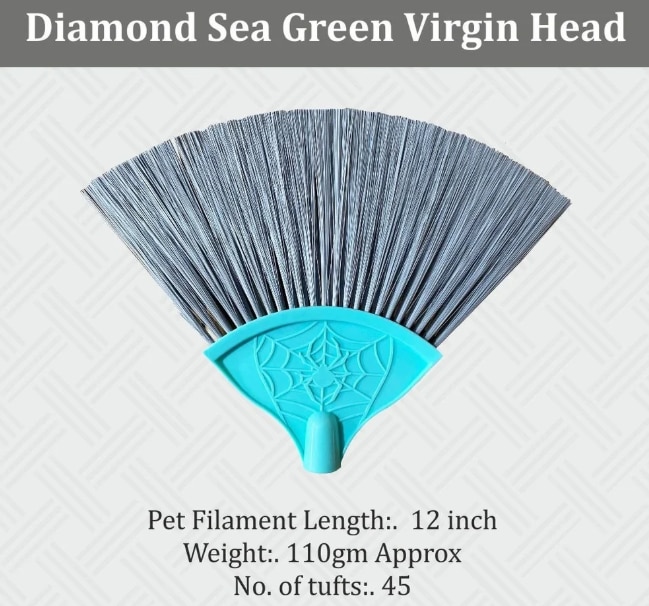 | Cleaning Brushes Diamond Jala Brush (Sea Green) Approx. Price: Rs 22 / PieceGet Latest Price Product Details: Head Shape Triangular Bristle Material PET Handle Type Without Handle Usage Area Wall,... View product → |
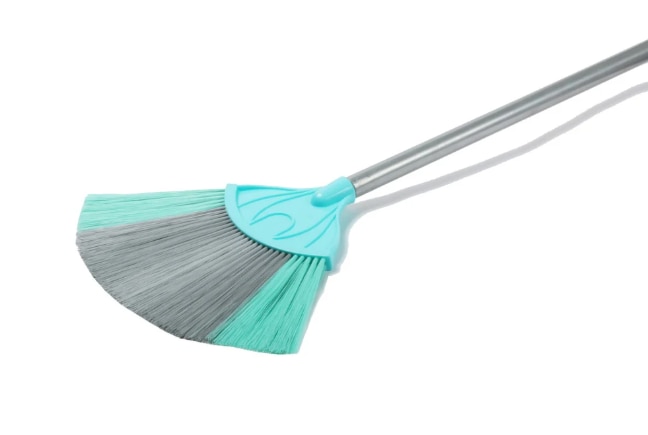 | Unique Celling Broom Approx. Price: Rs 140 / PieceGet Latest Price Product Brochure Product Details: Minimum Order Quantity 100 Piece Usage/Application Cleaning Broom... View product → |
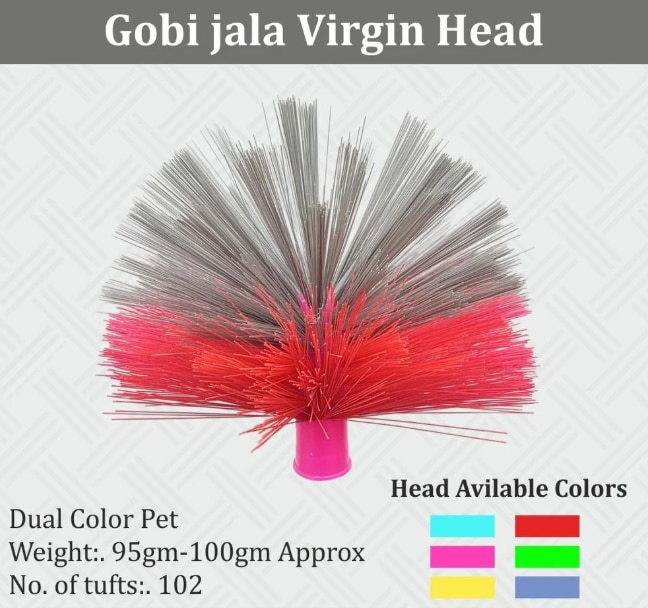 | Cleaning Brushes Approx. Price: Rs 22 / PieceGet Latest Price Product Details: Head Shape Round Bristle Material PET Handle Type Without Handle Usage Area Warehouse,... View product → |
 | Unique Celling Broom Approx. Price: Rs 178 / PieceGet Latest Price Product Brochure Product Details: Minimum Order Quantity 100 Piece Usage/Application For Cleaning of... View product → |