A brush that lifts grout soil can scratch polished wood, while a soft carpet brush can fail against dried grease or embedded grit. You will be able to match bristle stiffness, head shape, material and cleaning method to the surface and soil, then test the choice before it causes damage.
Key takeaways
- Identify the surface and soil before choosing a brush.
- Use soft bristles for delicate surfaces and stiff bristles for bonded soil.
- Choose head shape and handle length to control pressure and reach.
- Set replacement rules based on wear, hygiene and cleaning performance.
Start with the surface and the soil, not the brush label
Start with the surface, then identify the soil. This surface-by-surface brush selection prevents scratches, dulling and wasted effort.
| Surface | First choice | Why it applies |
|---|---|---|
| Glass, polished wood, laminate, acrylic, polished plastic, soft aluminium and finished surfaces | Soft bristles with fine synthetic filaments, longer trim and low pressure | Keep grit away from the contact area; short, abrasive or mineral-filled filaments can scratch |
| Painted walls and stainless steel | Soft bristles or a non-abrasive pad | Removes dust, fingerprints and light film without the risk of wire |
| Tile, sealed concrete and textured plastic | Medium bristles | Handles ordinary wet floor soil without excessive abrasion |
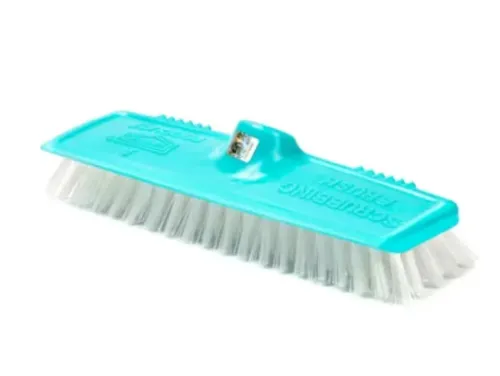
| Grout lines, anti-slip flooring, open-pore concrete and heavily textured surfaces | Hard bristles | Reaches recesses that flexible filaments cannot; reduce pressure on smooth areas |
Match active soil types to the method. Use dry, soft sweeping for loose dust and crumbs, soaking for dried spills, and detergent with dwell time for grease or soap scum. Embedded grit needs controlled agitation followed by a rinse.
Bristle material alone does not set aggressiveness. Diameter, free length, fill density and trim shape matter: a short, dense brush can be harsher than a long, sparse brush made from the same polymer. Do not use hard bristles on delicate finishes, and keep trapped grit from transferring between areas.
Use bristle stiffness and head shape to control force
The brush should deliver enough force to break the soil without damaging the surface. Stiffer, thicker and shorter filaments transmit more force, but increase scratching, dulling and fibre pull-out. Bristle bending stiffness rises approximately with the fourth power of bristle diameter, so a small diameter increase can sharply change performance.
Head geometry makes that force useful:
| Shape | Best use | Main limitation |
|---|---|---|
| flat brush head | Broad floors and large horizontal areas | Poor access in corners |
| narrow brush head | Edges, corners and tight gaps | Covers less area per stroke |
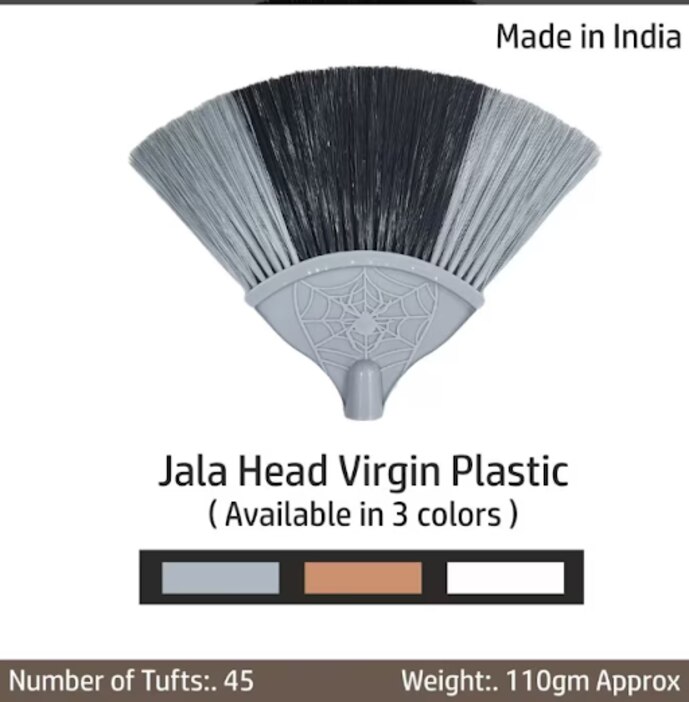
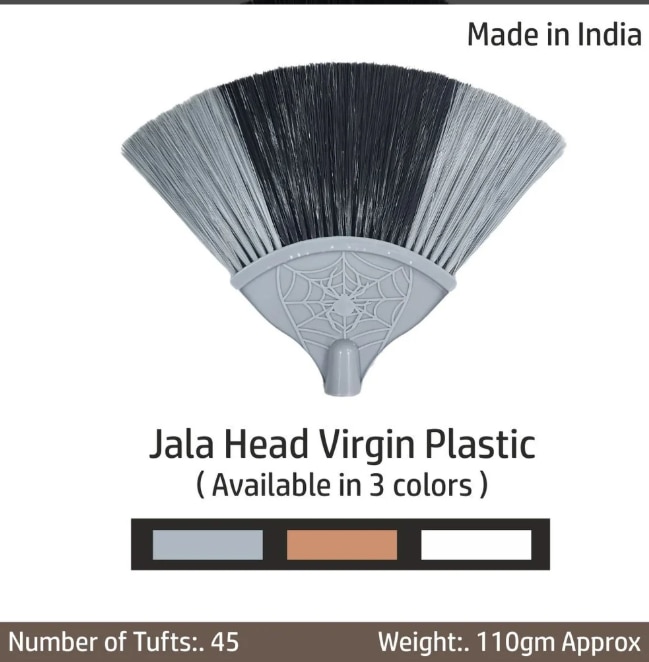
| triangular brush head | Wall-ceiling junctions and angled access | Requires correct orientation |
| round brush head | Concentrated scrubbing around fixtures or in small recesses | Can overwork a small spot |
Do not choose a stiff brush only because the soil is stubborn. On a smooth floor with too little liquid, stiff bristles and high pressure can burnish soil into a film instead of removing it.
For powered tools, specify the maximum rotary brush rpm, allowable pressure, compatible equipment and intended surface. Higher speed generates heat, increases bristle fatigue and releases more detached filaments or abrasive particles. A head that fits the arbor is not a complete safety or performance specification; the machine, pressure and surface limits must also match.
Match the brush to dry cleaning, wet soil and rinsing
Use dry brush cleaning for loose dust, rice, cereal and crumbs on scratch-resistant surfaces when the debris is not greasy. Lift it away; do not grind grit across the finish. Wet cleaning is the better method for soil that has bonded to the surface.
1. For dried spills, wet a small section and allow enough dwell time to soften the deposit before scrubbing. Apply the detergent at its specified dilution, then work in small sections.
2. Select a medium or stiff brush only when the surface permits it. Keep pressure low on glass, laminate, polished wood, painted surfaces and stainless steel; extra force can scratch, dull or burnish the finish instead of removing soil.
3. Use overlapping strokes and change direction across grout lines, textured flooring or recessed areas. Let the liquid do part of the work. If the deposit remains, increase soaking time or make a second pass before increasing pressure.
4. After detergent use, rinse the area and inspect it for remaining film. Rinse bristles between areas so loosened soil and trapped grit do not transfer from a toilet, drain or greasy floor to a clean surface.
Do not use a dry stiff brush on delicate finishes. Dry the tool according to its construction before storage, since trapped moisture can leave odour, corrosion or microbial growth.
Check materials, construction and hygiene before purchase
A polypropylene brush suits repeated immersion because it absorbs very little water and holds its dimensions in many aqueous chemicals.
A nylon brush softens when wet, so check its temperature and chemical limits when consistent scrubbing force matters; polyester bristles retain stiffness, but verify the exact grade before exposure to acids, oxidizers, solvents or caustic cleaners.
| Material | Main advantage | Check before purchase |
|---|---|---|
| Polypropylene | Low water absorption and stable dimensions | Temperature and chemical compatibility |
| Nylon | Flexible, effective scrubbing | Loss of stiffness when wet; temperature and chemical limits |
| Polyester | Stiffness and resistance to many chemicals | Polymer grade, concentration, temperature and contact time |
| Natural bristles | Softness and liquid retention | Absorption, slow drying and a defined hygiene procedure |
Treat tampico, bassine and horsehair as specialist materials, not defaults for wet food processing or healthcare. They absorb water and organic soil, dry slowly and are harder to validate hygienically than non-absorbent synthetic filaments.
For food, healthcare and clean manufacturing areas, choose a smooth, non-absorbent, corrosion-resistant block that you can inspect for cracks, loose fill and soil traps. Resin-set or one-piece molded construction reduces exposed crevices and foreign-body risk compared with staple-set blocks.
Avoid a wire brush where shed filaments could enter products or equipment. Use it only under documented risk assessment, controlled issue and inspection; abrasive nylon removes scale and coatings faster but can damage finishes and create particulate contamination.
Specify the complete exposure envelope: chemical, concentration, temperature, contact time, pressure, rinse conditions and drying. A generic chemical compatibility claim cannot predict failure after hot, repeated exposure.
Test the brush, define replacement rules and write the buying specification
Approve a brush with an inconspicuous area test before it touches a visible or controlled surface. Apply the proposed detergent and soil, then make a measured pass at the planned pressure and stroke speed. Wipe and dry the area before inspection.
Stop at the first defect: a scratch test failure, dulling, fibre pull-out, paint transfer, surface whitening or changed gloss. Trapped grit can damage a finish even when the filament polymer is soft.
| Check | Pass condition | Reject condition |
|---|---|---|
| Finish | No scratch, dulling, whitening or changed gloss | Any visible defect |
| Transfer | No paint transfer or fibre pull-out | Either appears |
| Cleaning | Soil clears within the validated time | Time limit is missed |
Write the brush specification around the complete exposure envelope and task:
- Surface, soil, bristle diameter and free length
- Fill density, trim profile, head shape and block material
- Chemical concentration, temperature, contact time and rinse method
Require the full color range and document which color belongs to each zone or hazard. Color coding alone does not create segregation. Keep drain and toilet brushes separate from food-contact, cleanroom and general-purpose tools during storage and washing.
Define replacement criteria by splayed trim, missing tufts, cracked blocks, contamination retention or failure to clean within the validated time. Unique Trading Company is useful when you request these measurable details instead of choosing by product name, color or “chemical resistant” alone.
Related products
 | Cleaning Brushes Unique Trading Company presents the high-quality Cleaning Brush, designed to deliver powerful and efficient cleaning for a wide range of... View product → |
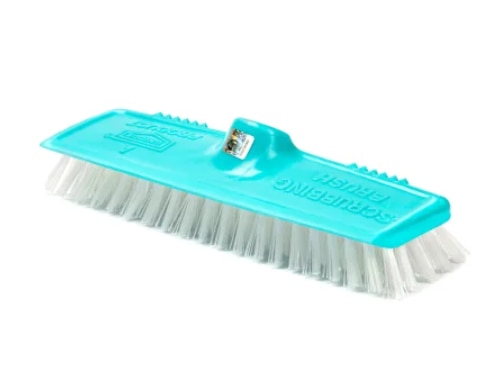 | Plastic Brooms Approx. Price: Rs 146 / PieceGet Latest Price Product Brochure Product Details: Bristle Stiffness Medium Usage/Application For Brooming, Scrubbing &... View product → |
Frequently asked questions
How do you choose a cleaning brush for a surface?
Identify the surface first, then match bristle stiffness and head shape to the soil without scratching or dulling it.
Which bristle stiffness should you use?
Use soft bristles for delicate or polished surfaces, medium bristles for general cleaning, and stiff bristles for durable surfaces with bonded soil.
Which brush is best for dry cleaning, wet soil and rinsing?
Use a dry brush for loose dust and debris, a wet-cleaning brush for stuck soil, and a brush that rinses clean when removing residue.
What should you check before buying a cleaning brush?
Check the bristle material, handle and head construction, cleanability, resistance to the intended chemicals, and hygiene requirements.
When should a cleaning brush be replaced?
Replace it when bristles stay bent, shed, split, retain soil or no longer clean effectively after washing.
Related products
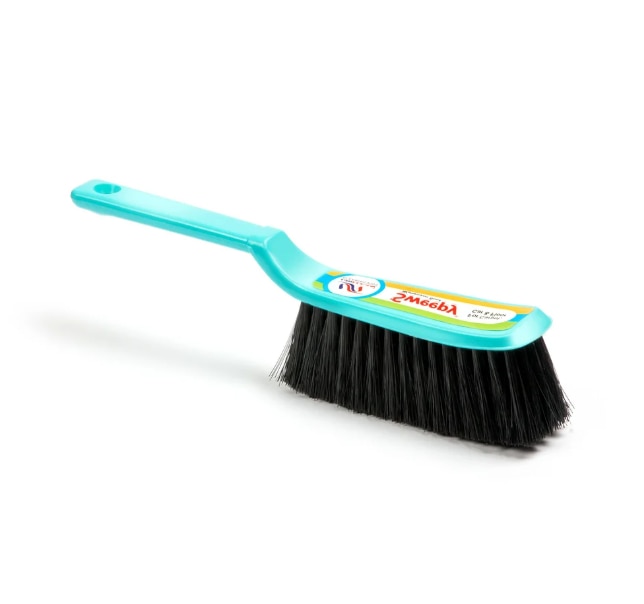 | Magic Brush Sweepy Soft Plastic Carpet Brush Approx. Price: Rs 98 / PieceGet Latest Price Product Brochure Product Details: Minimum Order Quantity 100 Piece Material Plastic Usage/Application... View product → |
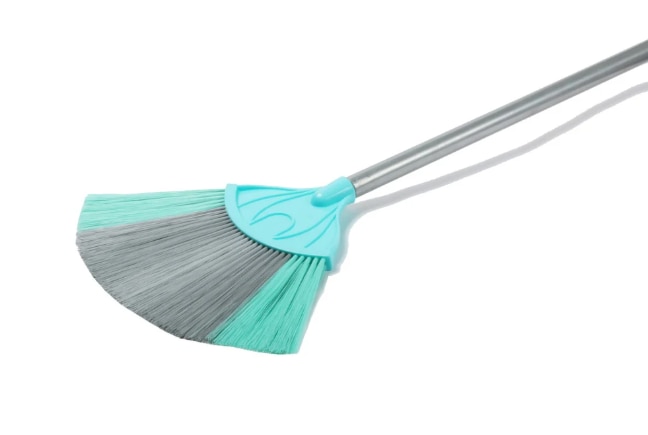 | Unique Celling Broom Approx. Price: Rs 140 / PieceGet Latest Price Product Brochure Product Details: Minimum Order Quantity 100 Piece Usage/Application Cleaning Broom... View product → |
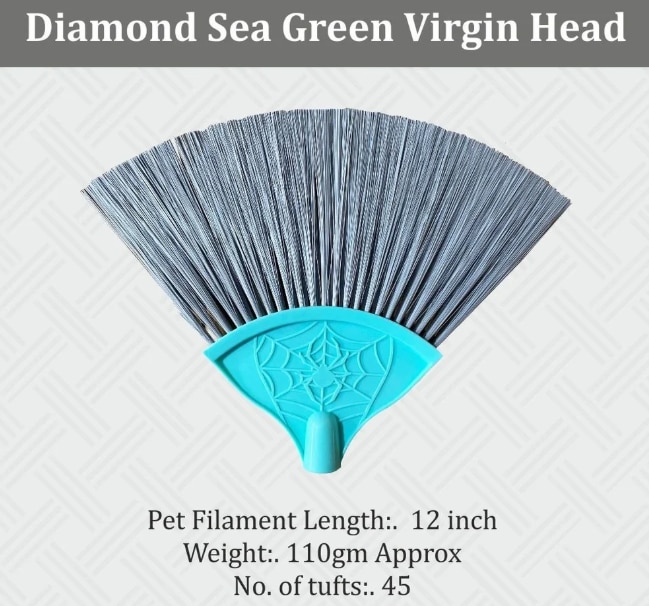 | Cleaning Brushes Diamond Jala Brush (Sea Green) Approx. Price: Rs 22 / PieceGet Latest Price Product Details: Head Shape Triangular Bristle Material PET Handle Type Without Handle Usage Area Wall,... View product → |
 | Cleaning Brushes Approx. Price: Rs 32 / PieceGet Latest Price Product Details: Brush Material Plastic Bristle Hardness Hard Bristle Material PP Handle Type Handheld... View product → |