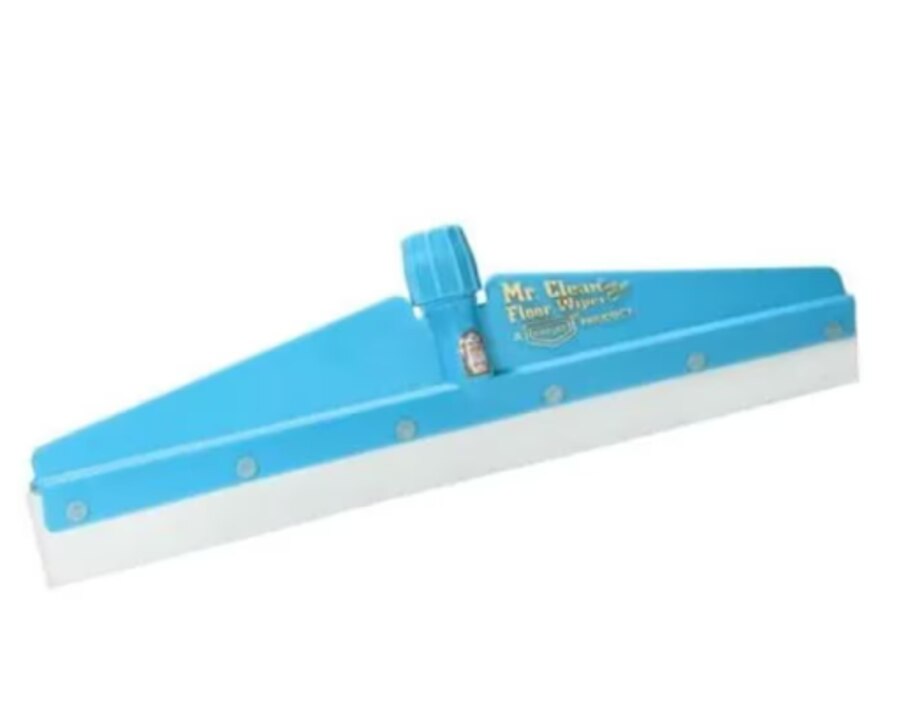
Frequent wet cleaning exposes a floor wiper to flexing, abrasion, chemicals, grit and repeated storage, so a strong-looking handle alone is not enough. You will be able to compare wiper designs, match blade and rod dimensions to the site, clean without shortening equipment life, and specify the features that reduce effort and downtime.
Key takeaways
- Replace wipers when the blade loses continuous floor contact.
- Choose blade width and rod length for the area and your reach.
- Match blade material and frame to chemicals, water and floor texture.
- Pull water toward a drain or collection point, not across clean areas.
What repeated wet cleaning does to a floor wiper
Repeated wet cleaning damages a wiper when its blade stops forming a continuous blade edge. A thicker handle does not prevent rod bending, a loosening head, blade splitting or edge curling.
The useful measure is rod bending resistance and the assembly’s ability to keep the blade straight and in contact with the floor after repeated flexing, abrasion and chemical exposure.
| Model | Replacement frequency | Staff time and interruptions | Storage and cleaning result |
|---|---|---|---|
| Durable floor wiper | Replace the rubber or thermoplastic contact element when worn | Fewer changeovers and less downtime during frequent wet floor cleaning | One head occupies less storage space over its working life and leaves less residual film |
| Cheap light-duty wiper | Replace the complete unit after bending, splitting or loosening | More purchases, setup time and interrupted cleaning | Discarded handles accumulate, and a curled or permanently deformed blade leaves a damp film |
A durable assembly uses a mechanically retained blade, rigid back channel and corrosion-resistant fasteners so the contact element cannot pull out, twist or creep under load. A replaceable blade reduces lifecycle waste without discarding the rod and frame. That matters when staff use the wiper several times per shift.
Storage can defeat good construction: a blade compressed against a wall, left submerged in solution or sealed wet in a container can develop permanent deformation, odor and material deterioration. Rinse, drain and dry the head, then hang it or place it on a rack.
A floor wiper removes bulk water; do not use it to remove disinfectant before the label’s required wet contact time.
How blade width and rod length change control and effort
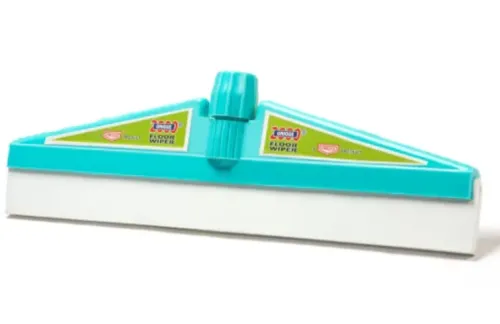
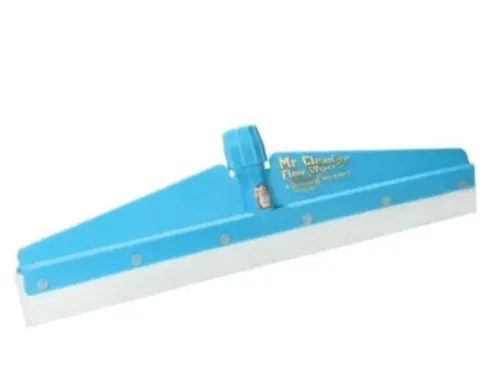
Choose blade width by the room, not by the largest coverage figure. A 40 cm floor wiper or 41 cm blade is easier to steer around toilets, bathroom fixtures, doorways, furniture and crowded rooms. A 50 cm floor wiper reduces passes across open corridors, halls and other unobstructed floors.
| Blade option | Control and effort | Best fit |
|---|---|---|
| 40–41 cm | Easier turning and positioning; fewer collisions with fixtures | Bathrooms, doorways, furniture and crowded rooms |
| 50–53 cm | Covers more floor per stroke but needs more pushing force and turning space | Open corridors, halls and unobstructed floors |
| 53 cm blade width | Maximum coverage, with greater drag when solution volume is high | Large open areas where storage and steering space are available |
Rod length changes posture and control. A longer rod can reduce bending and extend each stroke, but excessive length makes the blade harder to steer, harder to store and more tiring when drag rises. A short rod improves wrist control but forces a tall operator to bend, increasing strain over repeated passes.
Before ordering, assess:
- Operator height and preferred wrist posture
- Floor area, obstacles and storage space
- Solution volume on the floor
- Required pushing force on the actual floor finish
- Whether the operator can keep the blade straight without twisting the handle
A durable frame does not remove ergonomic risk. Test the intended blade and rod together; the widest blade and longest rod are poor choices if they cause awkward wrists, heavy dragging or early fatigue.
Match the blade and frame to water, chemicals and floor texture
Choose the frame and blade for the floor, water load and chemicals, not for appearance. A plastic floor wiper is light and easy to handle, while metal rods tolerate repeated wet use better when their finish remains intact.
| Option | Main advantage | Best fit |
|---|---|---|
| Plastic rod | Light handling; no metal corrosion | Short shifts, light water loads and controlled chemical exposure |
| Galvanized rod | Greater rigidity and wet-use durability than many plastics | Frequent cleaning where exposure is moderate |
| Stainless-steel rod | Strong corrosion resistance and repeated wet exposure tolerance | Chlorine solutions, washrooms and demanding commercial use |
Use a double rubber blade or double-lipped profile when you need to move larger water volumes. The two working edges maintain contact during push and pull strokes, but a stiff profile can skip across irregular flooring.
Check double rubber blade hardness rather than choosing by appearance: a harder blade resists wear on smooth floors, while a softer single edge follows grout lines, textured safety flooring and uneven surfaces.
Confirm compatibility for the actual blade, frame, coating and adhesive with:
- Chlorine solutions, strong acids and concentrated alkalis
- Solvents and quaternary-ammonium formulations
- The manufacturer’s stated concentration and exposure limits
ASTM D543 provides a plastics chemical-resistance evaluation method, but it does not replace product-specific testing. Chemical attack can swell, crack or embrittle a component.
Prioritise a replaceable blade, rigid back channel, secure mechanical retention and corrosion-resistant fasteners. Decorative frame thickness matters less than preventing the edge from pulling out, twisting or creeping under load.
Use the wiper to remove water without spreading contamination
A floor wiper removes bulk water; it does not clean detergent soil or disinfect by itself. Use this wet floor cleaning technique:
- Clear grit and debris first; grit can nick the blade and drag contamination across the floor.
- Apply the correct detergent or disinfecting solution. Keep the surface visibly wet for the product label’s disinfectant contact time; wiping it away early can leave the treatment ineffective.
- Hold the blade straight, use firm, even pressure, and direct controlled strokes toward a drain or collection point. Maintain floor wiper blade contact, overlap each pass, and rinse the blade before moving into another area.
- Push water into a drain when drainage is available. If there is no drain, collect the water with a floor squeegee into a suitable container or recovery system; do not merely spread it into a thin damp film.
Removing water reduces slip exposure and supports OSHA walking-working-surfaces requirements to keep floors clean, orderly and sanitary and, where appropriate, dry. Wet processes also need drainage and controls, not just a final pass.
Rinse, decontaminate, drain and dry the reusable wiper after use, then store it on a hook or rack. CDC environmental-cleaning guidance treats dirty tools as contamination vehicles. Use dedicated or color-coded wipers for toilets, food areas, healthcare zones and general areas; color coding supports separation but never replaces cleaning and disinfection of the tool.
Specify, compare and maintain a wiper for the whole working life
A floor wiper procurement checklist should measure the cost of failure, not just the invoice. Compare a light-duty and durable model against these factors:
Light-duty model | Durable model Cost per replacement | Lower initial price, more frequent purchases | Higher initial price, replaceable contact element Failure impact | Minutes lost to a loose head or curled blade | Fewer interruptions when retention stays secure Staff effort | More force and repeated passes | Lower effort when the blade keeps floor contact Storage capacity | Extra spares occupy space | Fewer spare assemblies are needed Replacement arrangement | Whole wiper may be discarded | Replaceable rubber blade reduces waste and downtime Site compatibility | Check chemicals and floor finish carefully | Match blade hardness and material before purchase
Specify blade width, rod length and operator posture for the actual rooms. Include blade hardness, mechanical retention, a rigid back channel, corrosion-resistant fittings, and double-rubber construction where moving large water volumes demands it. Ask whether the contact element is replaceable and whether the supplier can provide the correct part.
Unique Trading Company can help compare dimensions, materials and blade designs against a facility’s floors rather than appearance alone.
Protect that investment through correct wiper storage: rinse the head, drain it and hang it on a hook or place it on a rack.
Do not drag it across grit, use it as a scraper, twist the handle, fold or compress the rubber, leave it submerged in solution, or seal it dirty and wet in a closed container. These habits cause permanent deformation, odour and early blade failure.
Related products
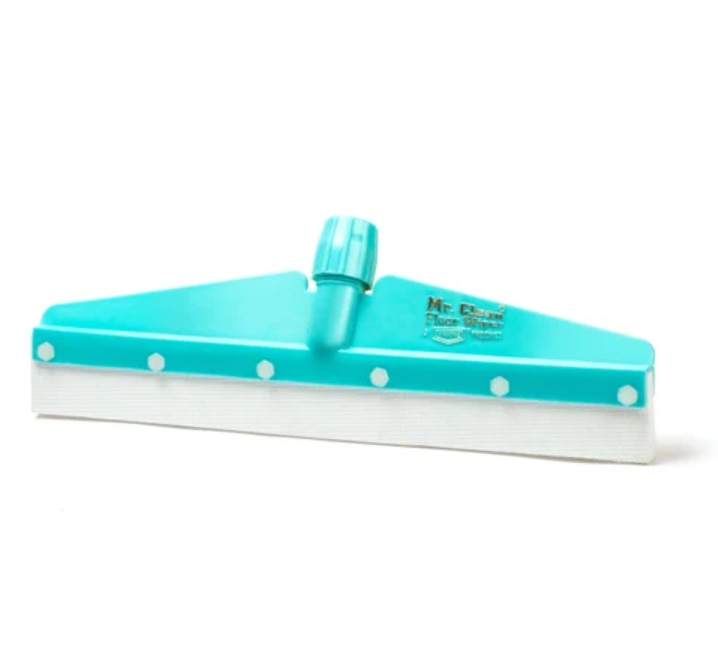 | Plastic Floor Wiper Approx. Price: Rs 108 / PieceGet Latest Price Product Details: Brand Unique Rod Material Iron Rod Length 106 CM Blade Length 40 cm Usage/Application... View product → |
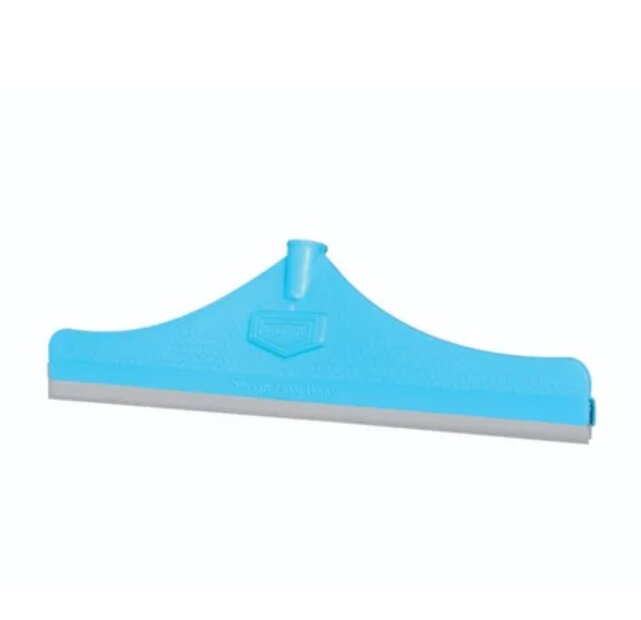 | Plastic Floor Wiper Approx. Price: Rs 132 / PieceGet Latest Price Product Details: Minimum Order Quantity 100 Piece Material Plastic Rod Length 125cm Blade Length 41 cm... View product → |
Frequently asked questions
What does repeated wet cleaning do to a floor wiper?
Frequent use can bend the rod, loosen the head, split the blade and curl its edge. Once the blade loses continuous floor contact, water remains behind and cleaning takes longer.
How do blade width and rod length affect floor-wiper control?
A wider blade covers more floor per pass but needs more space and force to turn. A longer rod reduces bending and reaching, while a shorter rod gives better control in tight areas.
How should you match a wiper to water, chemicals and floor texture?
Select a blade and frame that resist the cleaning chemicals you use, then match blade flexibility to the surface. Flexible blades follow textured floors; firmer blades suit smooth floors and push water efficiently.
How can you remove water without spreading contamination?
Work from cleaner areas toward drains or collection points, keep the blade edge in contact with the floor and avoid pushing dirty water back over cleaned sections. Clean and disinfect the wiper after use.
Related products
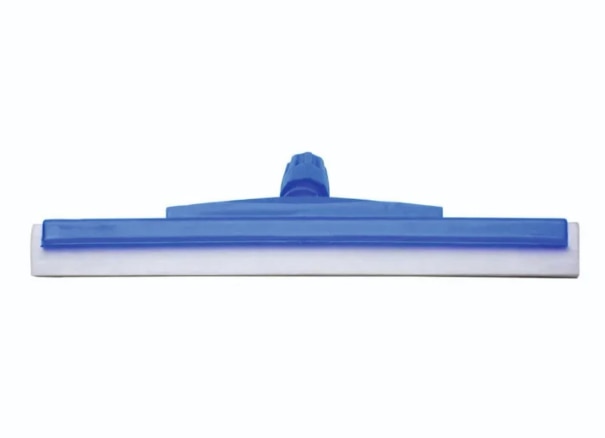 | Plastic Floor Wiper Heavy Duty Double Rubber Floor Wiper Approx. Price: Rs 250 / PieceGet Latest Price Product Details: Minimum Order Quantity 100 Piece Color Blue Brand Unique Adjustable Rod No Model P053... View product → |
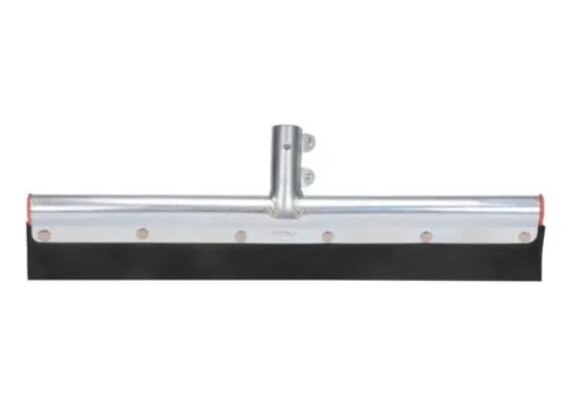 | Metallic Floor Wiper G041 Metallic Commercial Floor Wiper Approx. Price: Rs 152 / PieceGet Latest Price Product Details: Minimum Order Quantity 100 Piece Usage/Application For cleaning and wiping large floor... View product → |
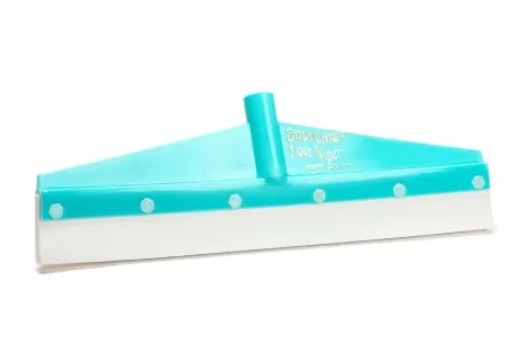 | Plastic Floor Wiper Approx. Price: Rs 102 / PieceGet Latest Price Product Details: Minimum Order Quantity 125 Piece Material Plastic Brand Unique Blade Material... View product → |
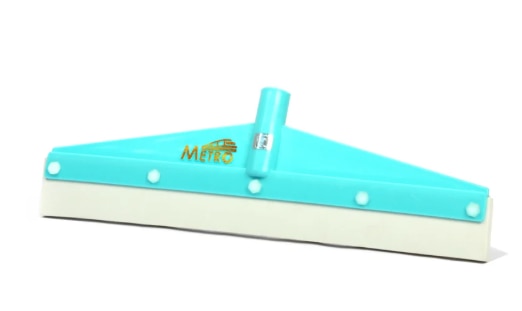 | Plastic Floor Wiper Approx. Price: Rs 96 / PieceGet Latest Price Product Details: Minimum Order Quantity 125 Piece Brand Unique Rod Material PVC Covered Handle Rod Rod... View product → |