A low catalogue price does not tell you what a shipment will cost, whether every unit will perform the same way, or whether the supplier can support a problem after delivery. By the end, you will have a practical method for checking supplier legitimacy, landed cost, order size, batch quality, cleaning performance, product claims and compliance before committing your budget.
Key takeaways
- Verify the legal entity, licences, capacity and delivery record before placing a bulk order.
- Calculate landed cost, minimum order quantity, storage space and stock usage together.
- Approve a retained sample and define batch checks for dimensions, materials, packaging and performance.
- Request test evidence, safety instructions and written terms for replacements, claims and continuity.
Can the supplier prove that it can fulfil your order reliably?
Before comparing products, complete supplier verification: establish who will be legally responsible for your order and whether that entity can deliver it consistently.
1. Request the registered business name and address, business registration details, GST registration and a business registration check. Ask for a sample GST invoice showing the legal entity, GSTIN, HSN or SAC code, taxable value, GST rate, invoice number and payment terms. Confirm that the bank account name matches the invoicing entity.
2. Ask whether the goods come from the supplier’s own factory, a contract manufacturer or a warehouse. Inspect evidence of production capacity, storage arrangements, dispatch procedures and stock rotation. A sample proves appearance, not supply continuity.
3. Obtain a named sales contact and a separate quality or escalation contact. Record the lead time, dispatch point, order cut-off, replacement process and the person who approves changes to materials, packaging or product specifications.
4. Ask how the supplier identifies finished-goods lots and handles shortages, defects or urgent replacements. Keep these answers with your purchase records.
If the supplier cannot identify responsible people or explain where goods are made and held, treat that as operational risk. Acceptable samples do not compensate for unclear ownership, weak dispatch controls or an unverified GST invoice.
What will the order really cost, and how much should you buy?
A lower catalogue price can still produce a higher landed cost. Calculate the unit price plus GST, freight from the dispatch point, loading and unloading, outer packaging, insurance where relevant, expected breakage, payment charges and the cost of replacing defective units.
| Option | Add to the comparison | Why it matters |
|---|---|---|
| Catalogue price | Unit price only | Hides delivery and handling costs |
| Landed cost | Unit price, GST, freight, packaging, breakage and replacements | Shows the cost of usable units received |
| Payment terms | Advance payment, credit period and charges | A cheaper order paid upfront can tie up more cash than a dearer order on credit |
For concentrates, compare cost per ready-to-use litre or validated cleaning task. Include dosing equipment, water, operator training, product left in lines, packaging waste and the cost of over-dosing or under-dosing.
Set your safety stock calculation from monthly consumption, supplier lead time, review period and storage capacity. Use this formula: order quantity = expected use during the review period + safety stock − usable stock on hand − confirmed incoming stock.
Then test the result against the MOQ, or minimum order quantity. Reject an MOQ that fills the warehouse faster than sales or cleaning operations can consume it. Check cash tied up in inventory, pallet dimensions, shelf life and maximum safe storage before accepting the shipment.
A larger order is not economical if it expires, blocks storage space or forces you to finance unused stock.
How can you tell whether every batch will match the approved sample?
A matching batch starts with a written purchasing specification created from the approved sample, not with a photograph or verbal description. Record the permitted tolerances before placing the bulk order.
1. Measure dimensions, unit weight, colour reference, bristle density and stiffness, polymer type, microfiber composition, bristle material, handle gauge, and blade rubber or elastomer grade. Define acceptable colour variation and reject mould marks, sharp edges, loose parts, corrosion and poor adhesion.
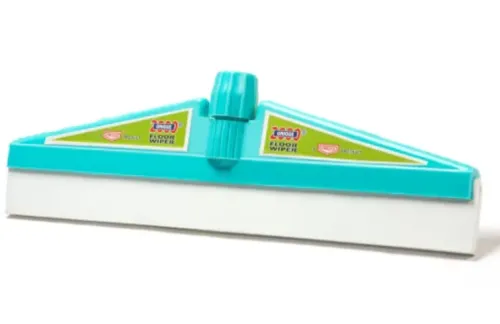
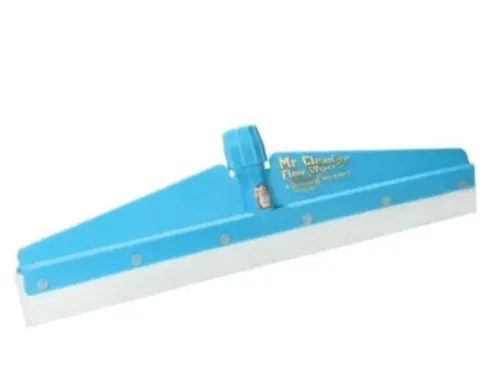
2. For handled tools, test handle fit, welds, joints, threads and locking points. For cloths, inspect stitching, edge binding, fabric weight and fibre shedding. For wipers, measure blade flexibility, straightness and recovery after bending.
3. Inspect several units from each production batch, not one carton. Use an agreed ISO 2859-1 sampling plan for routine defects, but do not treat AQL 1.5 as a guarantee. Apply 100% verification or zero tolerance to wrong product identity, leaking packs, unsafe edges, missing components and incorrect hazard labels.
4. Require batch-level traceability from raw-material lots through production to the finished-goods lot code and shipped customer orders. Ask for the mock-recall procedure, affected-customer identification method and maximum response time.
Keep signed sample approval, inspection results and any approved deviation with the purchase order. Without those records, a supplier can call a visibly different product “equivalent,” leaving you to prove the failure after delivery.
Will the products clean effectively without damaging the user’s surfaces?
Approve a large order only after a cleaning performance test on the surfaces and soils your customers handle: dry dust, greasy food soil, hard-water scale, aged grout and bathroom biofilm. A clean laboratory coupon cannot establish surface compatibility on textured plastic, painted equipment or polished stone.
Record results for:
- Dry dust pickup and wet wiping
- Scrubbing on tile and concrete
- Water absorption and wringing effort
- Streaking, lint or fibre shedding
- Odour after repeated use
- Wet-floor control, reach height and handle comfort
- Scratch checks on painted, polished, coated and delicate surfaces
| Option | Advantage | Check before approval |
|---|---|---|
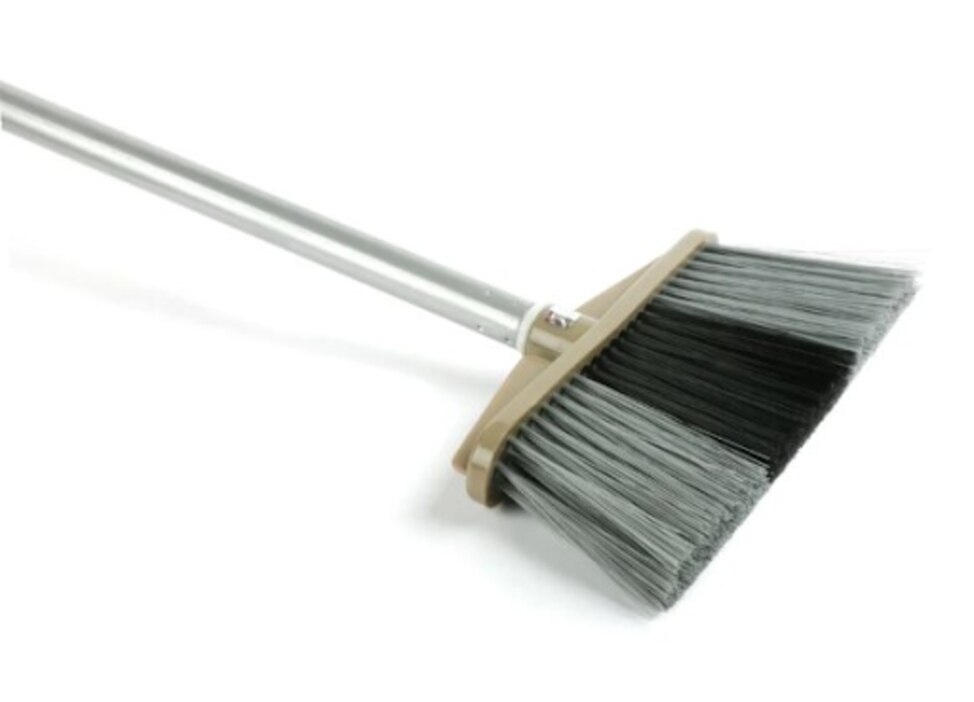
| Soft versus medium bristles | Soft bristles protect finishes; medium bristles remove embedded soil | Compare cleaning time against scratching and bristle deformation |
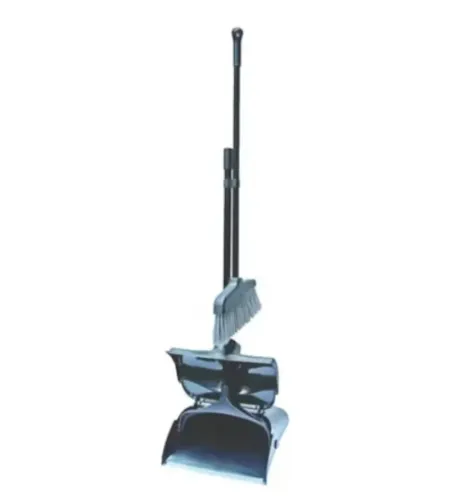
| Plastic versus metal handles | Plastic reduces weight; metal can provide rigidity | Check grip, corrosion, joint strength and user fatigue |
| Reusable cloths versus disposable alternatives | Reusable cloths reduce recurring waste; disposables simplify segregation | Compare laundering, absorption, hygiene control and total task cost |
| Rigid brushes versus flexible wipers | Rigid tools scrub; flexible blades follow uneven floors | Check grout coverage, edge contact and water removal |
Ask for the polymer, microfiber blend, bristle material and blade elastomer, plus resistance to detergents, oils and disinfectants. “Domestic use” does not define those limits.
Use one test sheet, sample size and acceptance criteria for every supplier, including Unique Trading Company. Make the durability comparison include replacement availability, not just first-use performance. Approve only when performance, ergonomics and replacement support match the intended user’s conditions.
Related products
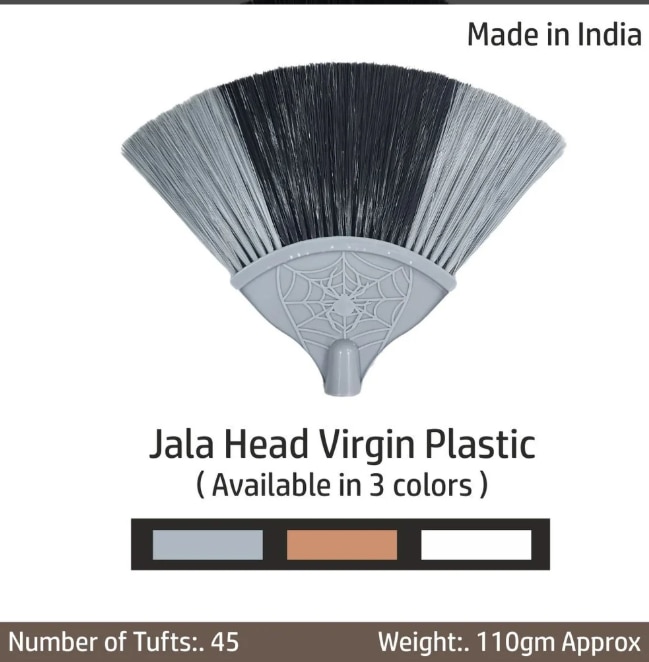 | Cleaning Brushes Unique Trading Company presents the high-quality Cleaning Brush, designed to deliver powerful and efficient cleaning for a wide range of... View product → |
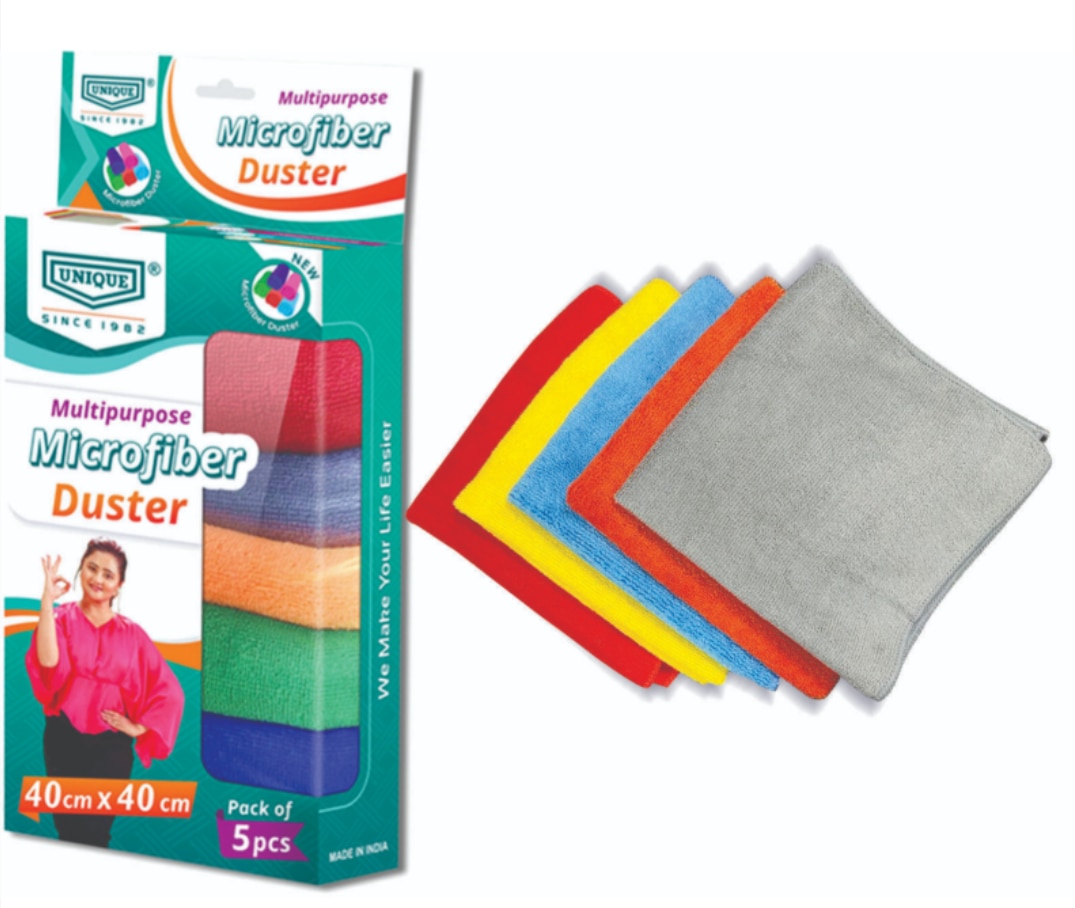 | Multipurpose Microfiber Duster Price And Quantity Minimum Order Quantity 50 PackPrice Range 140.00 - 300.00 INR/PackPrice 140 INR/Pack Multipurpose Microfiber Duster Product... View product → |
What evidence is needed for cleaning claims, safety and long-term supply?
Require evidence that matches the claim. An ordinary detergent claim concerns soil removal; sanitiser, disinfectant and antibacterial claims concern microbial control and require regulatory and test support.
Ask for:
- The applicable authorisation or disinfectant registration number for any biocidal or antimicrobial product, then verify it in the regulator’s database.
- Test conditions: target organisms, concentration, contact time, temperature, water hardness, soil load, and whether the method was suspension-based or surface-based.
- EN 1276 results for bactericidal suspension testing and EN 13697 results for bactericidal or fungicidal activity on non-porous surfaces. Neither standard proves every label claim.
- For US institutional purchases, the EPA-approved label, including dilution, application method, contact time, organisms and pre-cleaning instructions.
- A current 16-section SDS. Check its product identity, formulation, hazard classification, emergency contact and revision date against the container label.
- For EU hazardous mixtures, confirmation of poison-centre submission responsibility and the matching UFI.
- Stability evidence for the actual formula and pack, covering active concentration, pH, viscosity, separation, colour or fragrance drift, closure integrity and label legibility.
- Packaging-compatibility results, transport classification where dangerous-goods rules apply, and ISO 14021 substantiation for environmental claims.
Put measurable release criteria in the specification: every-lot and periodic tests, pH, viscosity, fill volume, active concentration and leak performance. ISO 9001 certifies a quality-management system, while AQL 1.5 describes sampling; neither guarantees cleaning performance or a conforming product in every lot.
Frequently asked questions
How can a bulk buyer verify that a cleaning supplier can fulfil an order reliably?
Confirm the supplier’s legal name, address, tax details, manufacturing or trading capacity, lead time, minimum order quantity and recent delivery references. Ask who is contractually responsible if production, transport or quality problems delay the order.
What costs should be included when comparing household cleaning suppliers?
Add unit price, packaging, freight, taxes, unloading, storage, inspection, damaged-goods allowances and the cost of excess stock. Compare the total landed cost per usable item rather than the quoted unit price alone.
How do you ensure future batches match an approved cleaning product sample?
Keep a signed reference sample and written specification covering dimensions, materials, colours, weight, handle fit, packaging and acceptable tolerances. Require batch identification and define inspection, rejection and replacement rules before ordering.
What should buyers check before approving cleaning aids for surfaces and users?
Test the product on the surfaces where it will be used, including painted, polished, glass, stainless-steel and plastic areas. Check cleaning performance, scratching, shedding, staining, chemical compatibility, grip, sharp edges and user instructions.
What evidence supports cleaning claims, safety and long-term supply?
Ask for test reports that identify the method, sample and result, plus material or chemical information, warnings, care instructions and packaging details. Put claim wording, change notification, replacement terms and supply-continuity commitments in writing.
Related products
 | Unique Scrubber 53 INR/Pack Unique Scrubber at Unique Trading Company Unique Trading Company proudly presents the Unique Scrubber, a high-quality cleaning solution... View product → |
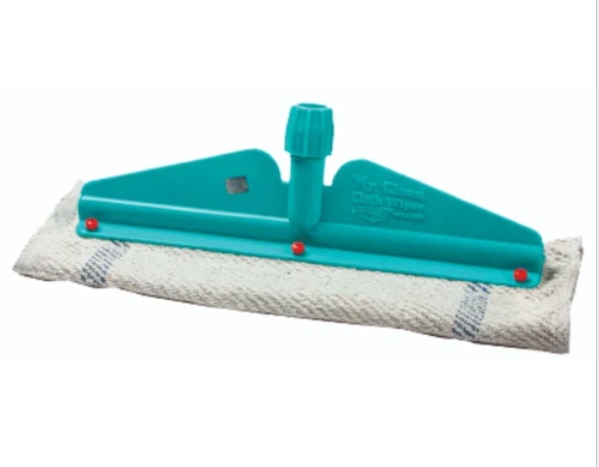 | Unique Mops Approx. Price: Rs 137 / PieceGet Latest Price Product Brochure Product Details: Minimum Order Quantity 100 Piece Usage/Application Domestic Brand... View product → |
 | Cleaning Brushes Unique Trading Company Unique Trading Company presents the high-quality Jala Brush, designed to deliver powerful and efficient cleaning for a wide... View product → |
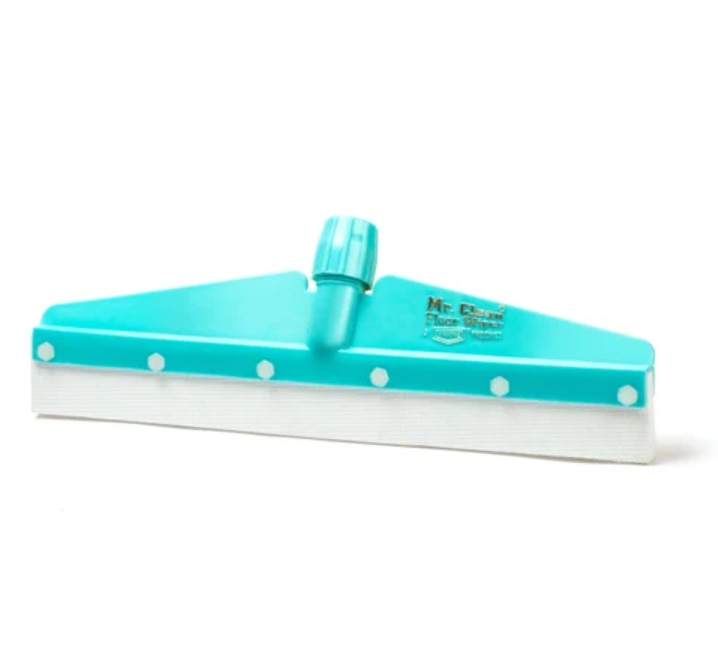 | Plastic Floor Wiper Approx. Price: Rs 108 / PieceGet Latest Price Product Details: Brand Unique Rod Material Iron Rod Length 106 CM Blade Length 40 cm Usage/Application... View product → |