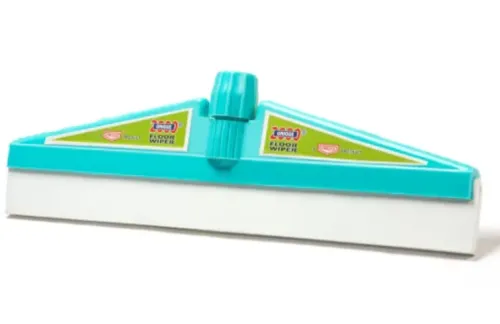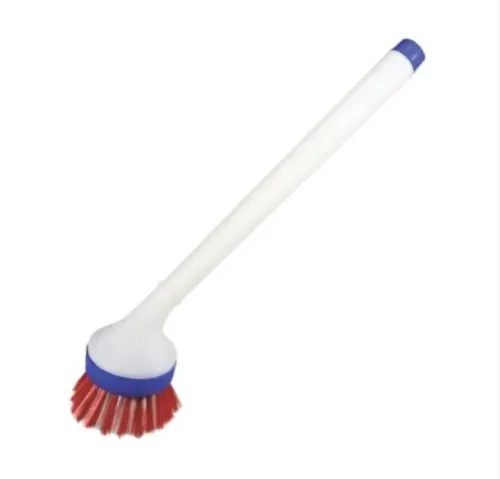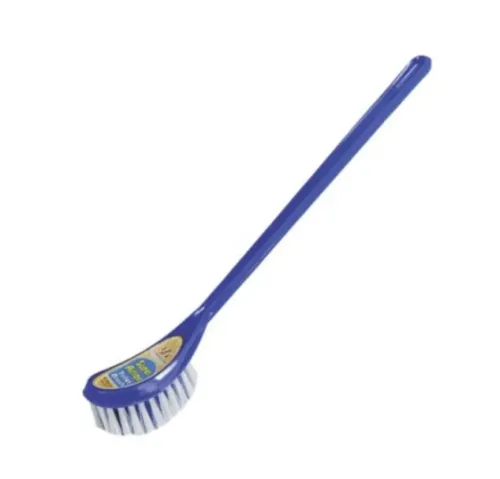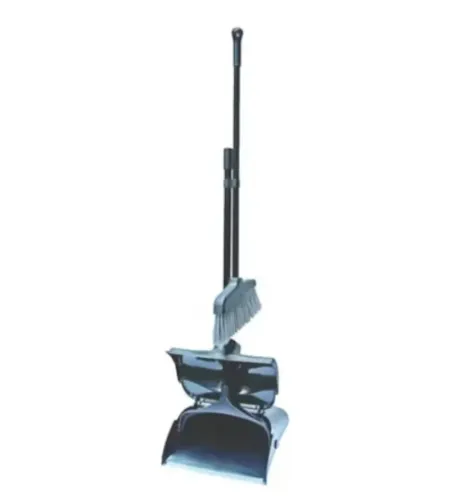
The wrong combination of tool, chemical and surface can leave streaks, spread contaminated water, damage finishes or waste staff time. By matching the soil, surface, abrasion level and hygiene objective, you can choose a workable cleaning system for a home, office, restroom, kitchen or institutional site.
Key takeaways
- Match the tool to the soil: remove dust, grease, scale and stains differently.
- Use soft bristles on delicate surfaces and stiff bristles on durable textured ones.
- Follow each chemical label for dilution, contact time and safe surface use.
- Clean dirt first; sanitise or disinfect only when the hygiene risk requires it.
Match the Cleaning Tool to the Soil and Task
A cleaning product works only when its tool, chemistry and surface match the soil. Use the least aggressive option that removes the dirt; a stiff brush or strong chemical can etch stone, dull paint or scratch plastic.
| Task | Choose | Avoid or check |
|---|---|---|
| Dry dusting | Microfiber duster or cloth | Feather dusters that scatter particles |
| Wet mopping | Microfiber flat mop with a diluted floor cleaner | Soaking wood, laminate or unsealed stone |
| Grease removal | Alkaline degreaser and a non-scratching cloth | Acid cleaners on metal or stone |
| Stuck-on food | Warm water soak, dish detergent and a nylon scraper | Metal blades on non-stick cookware or glass |
| Bathroom scale | Acidic limescale cleaner with a soft cloth | Acids on marble, limestone or other calcareous stone |
| Grout | Medium nylon brush and a compatible tile cleaner | Stiff wire brushes that remove grout |
| Glass | Low-lint microfiber cloth and glass cleaner, followed by a squeegee | Abrasive powders and fabric softener residue |
| Upholstery | Vacuum upholstery tool and fabric-approved spot cleaner | Saturating fabric or using bleach |
| Vehicle interiors | Interior cleaner matched to plastic, vinyl, leather or fabric | Household solvents on dashboards and trim |
| Floor cleaning | Product labelled for the exact finish: wood, laminate, vinyl, tile or stone | One “all-purpose” chemical on every floor |
Match the product label to the soil, dilution and surface. Enzymatic cleaners break down specific organic soils but are not automatically disinfectants. For infection control, use a disinfectant with the required registered claim and keep the surface visibly wet for its full label contact time.
Choose Bristle Stiffness and Abrasion for the Surface
A damaged finish usually means the tool’s abrasion level was too high for the surface, or grit was trapped between the tool and the surface. Start with soft bristles or a clean, non-abrasive cloth, apply light pressure, and increase force only after testing a hidden area.
| Surface | Safer choice | Avoid |
|---|---|---|
| Painted walls | Soft bristles or a damp microfiber cloth | Stiff bristles and dry scrubbing |
| Glass | Soft cloth or a soft sponge | Gritty pads and stiff brushes |
| Stainless steel | Soft or medium bristles, used with the grain | Abrasive pads and circular scrubbing |
| Ceramic tile and grout | Medium bristles for tile; stiff bristles for sound grout | Stiff bristles on glazed tile |
| Natural stone | Soft cloth or soft bristles | Abrasive scrubbers and hard pressure |
| Wood and laminate | Soft cloth or soft bristles with minimal water | Stiff brushes and soaking |
| Plastic | Soft or medium bristles | Stiff bristles on glossy finishes |
| Non-stick cookware | Soft cloth or soft sponge | Any abrasive pad or stiff brush |
Use these checks before scaling up the cleaning action:
- Choose medium bristles for textured tile, durable plastic and ordinary floor soil.
- Reserve stiff bristles for uncoated, hard surfaces with bonded soil, such as grout joints or concrete.
- Replace a scrubber when embedded sand, metal fragments or hardened chemical residue makes it scratch.
- Stop if a test patch becomes dull, streaked, lighter or visibly scored.
Pressure can turn a safe tool into a damaging one. A microfiber mop may clean a floor safely, while a dry scrubber dragged over the same floor leaves permanent marks.
Use Water, Cloths and Cleaning Chemicals Correctly
A dripping mop spreads dirty water; a nearly dry one leaves soil behind. For wet mopping, remove loose debris first, dilute the product to its label ratio, and wring the mop until it is damp rather than saturated.
Work in small sections, moving from the cleanest area toward the dirtiest, then rinse or replace the mop head when the rinse water turns cloudy.
Match the chemical to the soil and surface:
- Use a neutral cleaner for routine floors, painted walls and sealed surfaces. It removes ordinary soil with less residue than a stronger formula.
- Use a detergent for general grease and food residue, then remove its film with clean water when the label requires rinsing.
- Use a degreaser on heavy oil or baked-on grease only when the surface tolerates it. Strong alkaline products can dull aluminium, damage coatings and dry natural stone.
Use two buckets when mopping: one for the cleaning solution and one for rinsing. Do not return a dirty mop to the solution bucket. Change both liquids when they become visibly dirty, or the next pass redeposits soil.
For cloth cleaning, fold the cloth into quarters and turn to a clean face after each small area. Apply solution to the cloth rather than flooding glass, electronics or seams; finish glass with a clean, dry lint-free cloth to prevent streaks.
Never guess dilution or mix chemicals. If a disinfectant is required, clean visible soil first, keep the surface visibly wet for the full label contact time, then wipe or rinse only as directed.
Separate Cleaning, Sanitising and Disinfecting
Choose by the outcome: use cleaning for soil removal, sanitising for food-contact surfaces, and disinfecting for infection-control claims. A product cannot be upgraded by fragrance, foam, “natural” marketing or an ingredient name alone.
| Process | Product | When it applies | Critical control |
|---|---|---|---|
| Cleaning | Detergent, degreaser or enzymatic cleaner | Remove dust, grease, food residue, scale and other soil | Match the formula to the soil; follow dilution, temperature and dwell time |
| Sanitising | Labelled food-contact surface sanitiser | Reduce microorganisms to the level required by the label or food code | Meet the stated concentration, temperature, pH, water hardness and contact time; use a test kit where required |
| Disinfecting | Registered disinfectant with the required organism claim | Control pathogens on specified hard, non-porous surfaces | Keep the surface visibly wet for the full label contact time |
Remove visible soil before disinfecting because organic matter can shield microorganisms. Use a combined cleaner-disinfectant only when its label permits that soil load and gives the required contact time.
An enzymatic cleaner breaks down particular soils; it does not automatically disinfect. Do not substitute it for an antimicrobial product when infection-control performance is specified.
For most disinfectants, wiping the surface dry early invalidates the claimed efficacy. Follow the label’s rinse instruction on food-contact surfaces, and never assume a general disinfectant is suitable for food preparation areas.
Build a Practical Product Specification for Homes and Facilities
A low unit price is not approval evidence. Approve a product only after it passes a written check for performance, safety, compatibility, repeat-use cost and supplier documentation.
- Match the label to the task. Record the permitted surfaces, concentrate dilution, contact time, temperature, disposal instructions and food-contact restrictions. The label governs regulated disinfectant use; a Safety Data Sheet covers hazards, storage, first aid and exposure controls. Require both.
- Confirm surface compatibility on painted walls, stainless steel, glass, ceramic tile, natural stone, wood, laminate, plastic and non-stick cookware. Run a controlled site trial on coated metals, floor finish, grout and upholstery before adopting institutional chemicals.
- Specify equipment fit. Check dilution-system seals, spray equipment, autoscrubber recovery systems, wastewater rules and storage space. Require calibrated dispensing and calculate cost per ready-to-use litre, not concentrate price alone.
- Set textile controls. Document microfiber laundering, excluding fabric softener and oily residues that reduce absorbency. Define inspection and replacement criteria, and validate cloth or mop selection with quaternary-ammonium products because cotton and some textiles can retain the active solution.
- For kitchens, verify sanitizer concentration, water temperature, pH, hardness and contact time against the label and applicable food-code requirements. Provide test strips or another required verification method.
For a supplier such as Unique Trading Company, ask for sample tools, material specifications and replacement guidance, then approve only after the trial confirms cleaning performance without scratching, streaking, residue or excess worker exposure.
Related products
 | Unique Scrubber 53 INR/Pack Unique Scrubber at Unique Trading Company Unique Trading Company proudly presents the Unique Scrubber, a high-quality cleaning solution... View product → |
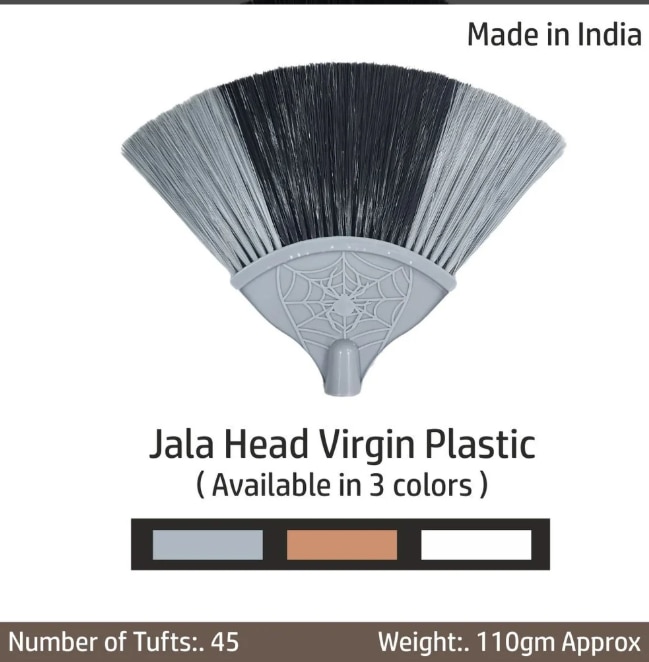 | Cleaning Brushes Unique Trading Company presents the high-quality Cleaning Brush, designed to deliver powerful and efficient cleaning for a wide range of... View product → |
Frequently asked questions
How do you match a cleaning tool to the soil and task?
Use dusters or dry cloths for loose dust, absorbent cloths for spills, brushes for textured surfaces, and degreasers for oily soil. Choose a tool that lifts the soil without spreading it.
How do bristle stiffness and abrasion affect surface safety?
Use soft bristles and non-abrasive cloths on paint, plastic, polished metal and delicate finishes. Reserve stiff bristles and abrasive pads for durable surfaces that can tolerate scratching.
How should you use water, cloths and cleaning chemicals?
Use the dilution, water temperature, dwell time and rinsing instructions on the product label. Change dirty cloths, prevent cross-contamination and never mix bleach with acids or ammonia.
What is the difference between cleaning, sanitising and disinfecting?
Cleaning removes soil and many germs. Sanitising reduces germs to a stated level, while disinfecting uses a labelled product and contact time to inactivate specified pathogens.
What should a practical cleaning product specification include?
Record the surface, soil type, required tool, bristle or abrasion level, chemical, dilution, contact time, protective equipment and disposal method.
Related products
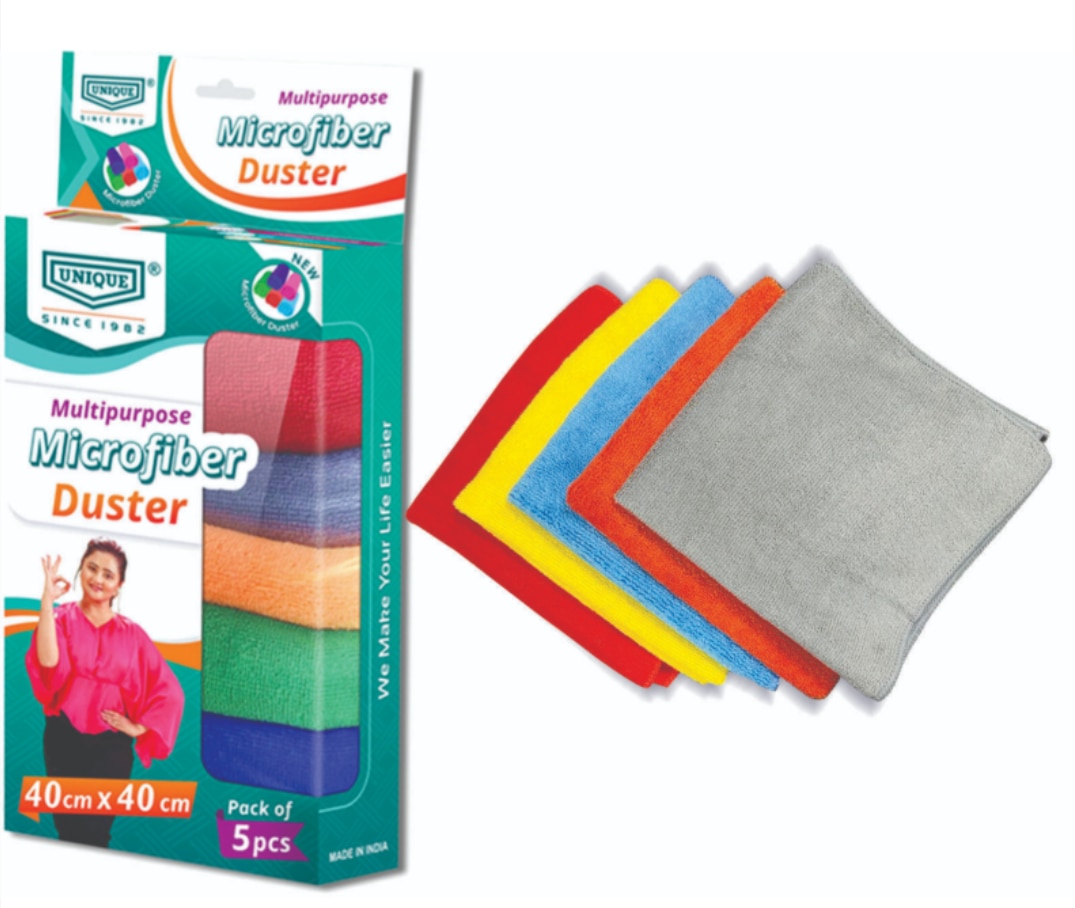 | Multipurpose Microfiber Duster Price And Quantity Minimum Order Quantity 50 PackPrice Range 140.00 - 300.00 INR/PackPrice 140 INR/Pack Multipurpose Microfiber Duster Product... View product → |
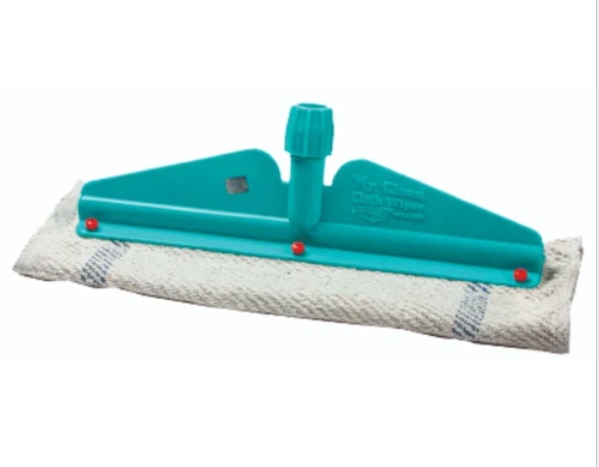 | Unique Mops Approx. Price: Rs 137 / PieceGet Latest Price Product Brochure Product Details: Minimum Order Quantity 100 Piece Usage/Application Domestic Brand... View product → |
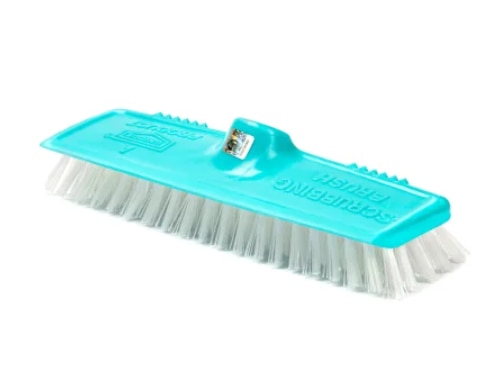 | Plastic Brooms Approx. Price: Rs 146 / PieceGet Latest Price Product Brochure Product Details: Bristle Stiffness Medium Usage/Application For Brooming, Scrubbing &... View product → |
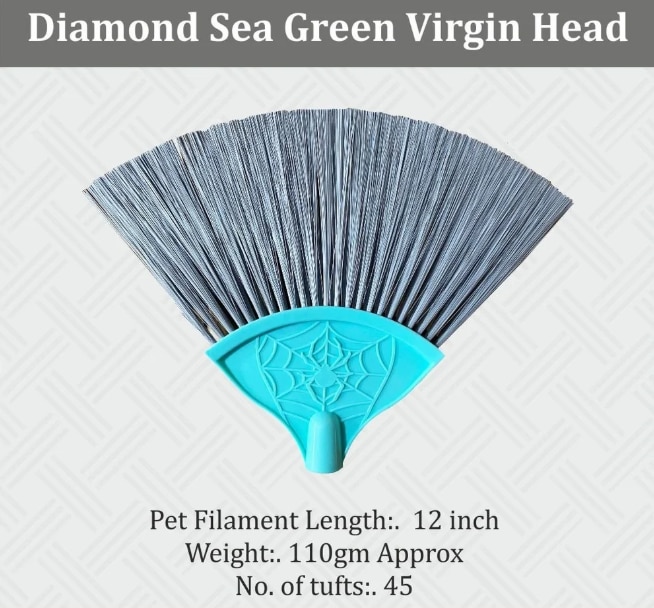 | Cleaning Brushes Unique Trading Company Unique Trading Company presents the high-quality Jala Brush, designed to deliver powerful and efficient cleaning for a wide... View product → |