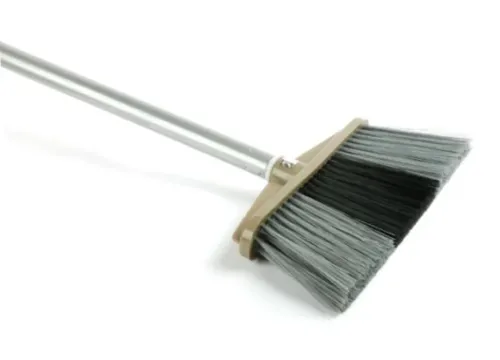
A carpet brush can lift crumbs and surface litter quickly, but the wrong bristle, pressure or stroke direction can fuzz fibres, pull loops and push grit deeper. You will learn how to identify the carpet, test the brush, remove debris safely and decide when vacuum suction or another tool is the better choice.
Key takeaways
- Identify the carpet fibre and pile construction before choosing bristles.
- Test the brush in a hidden area using light, controlled strokes.
- Use soft bristles for wool, loops and delicate rugs.
- Avoid brushing wet spills, deep stains or loose carpet fibres.
Identify the Carpet Before You Choose a Brush
A carpet can tolerate brushing when its pile is stable, the loops are protected, and a small test leaves no damage. Identify both the fibre and construction before choosing bristles: staple fibres shed or pull more readily than continuous-filament synthetics, while wool and plant fibres need gentler handling.
| Construction | What you will see | Brushing tolerance |
|---|---|---|
| Cut pile | Upright, cut yarn ends with no connected loops | Usually tolerates light brushing; dense saxony and plush pile can flatten |
| Loop pile | Uncut loops forming rows or a textured surface | Low tolerance for stiff, rotary or hooked bristles; snagging can break loops |
| Berber-style loop | Large, visible loops with contrasting flecks or rows | Treat as vulnerable loop pile; avoid aggressive agitation |
| Shag carpet | Long, loose cut fibres with a deep, uneven surface | Brush only lightly if the pile does not catch or twist |
Also exclude jute, sisal, viscose and delicate tufted rugs unless their care label permits brushing. A brush that works on synthetic cut pile can fuzz wool or pull a weak backing.
Test an inconspicuous 10-centimetre area with the proposed brush. Use light pressure, let the area dry, then check for fuzz, pulled loops, colour transfer, flattened pile or a changed sheen. Stop if any appears.
Brush only loose surface dust; pick up glass, grit, metal fragments and sharp plant material first, because brushing can drive abrasive particles into the fibres.
Test the Area and Use Light, Controlled Strokes
The safest method is to loosen surface dust with minimal force, not scrub soil out of the pile. Clear the area, test the brush, then work methodically so you notice fibre damage before it spreads.
1. Remove furniture, toys and loose objects. Pick up stones, grit and other hard debris by hand; brushing them across the carpet can cut or abrade fibres.
2. Choose an inconspicuous 10-centimetre test area and make several light passes. Check it after the carpet dries or settles for fuzzing, pulled loops, colour transfer and a visible change in pile direction.
3. Establish the pile direction by running your hand across the carpet and noting which way the fibres lie. Start at one edge and use short overlapping strokes that follow this direction.
4. Keep brushing pressure low enough that the bristles contact the surface without bending deeply into the pile. Pressing hard can flatten cut pile, pull looped fibres or drive grit further down.
5. Inspect the brushed strip before moving on. If debris remains on the surface, repeat light passes rather than increasing force, and overlap each stroke slightly to avoid untreated bands.
6. Brush across the pile only where the test area tolerated it and surface debris still needs loosening. Use one or two controlled passes, then stop; repeated back-and-forth scrubbing can create tracking or directional shading.
Vacuum afterwards to remove what the brush loosened. Do not use prolonged brushing as a substitute for repeated suction passes when soil has entered the pile.
Match Bristle Type to Debris, Fibre and Carpet Construction
Choose the least aggressive bristle that lifts the target debris: soft plastic bristles suit light crumbs on sound cut pile, while stiff bristles increase the risk of fuzzing, pilling and pulled tufts. Staple-fibre carpets need extra caution because loose fibre ends can be drawn from the yarn during repeated brushing.
| Bristle option | What it means | Best fit and warning |
|---|---|---|
| Soft plastic bristles | Lower-agitation contact that is less likely to disturb pile | Surface crumbs on dense cut pile, carpet tiles or sound synthetic broadloom; still test wool and staple fibres |
| Hard plastic bristles | Stronger scraping and agitation | Robust, short cut pile and coarse debris; avoid loop pile, shag and delicate rugs |
| Nylon bristles | Resilient fibres whose actual stiffness depends on diameter and spacing | Use only after testing; a fine, flexible set can groom cut pile, while thick bristles can abrade or pull |
| Polypropylene bristles | Synthetic bristles available in soft to hard grades | Select by flexibility and tip finish, not the material name; reject sharp or overly rigid versions for loops |
Test a hidden 10-centimetre section with the intended pressure and number of passes. Let it dry, then check for fuzz, colour transfer, flattened pile, exposed tufts or pulled loops. For procurement trials, record debris recovery and visible damage on installed samples of each carpet construction.
If comparing brush models from Unique Trading Company, request the bristle grade or stiffness specification rather than choosing from “soft” or “hard” alone. A brush that removes more debris but changes the pile fails the appearance-retention test.
Related products
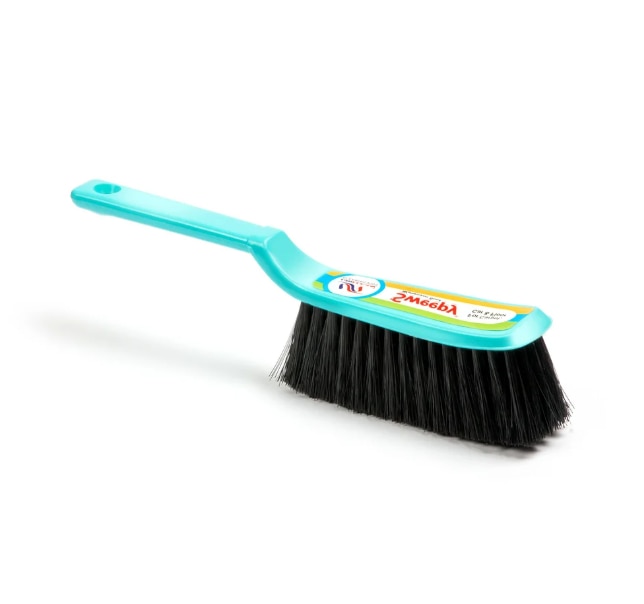 | Magic Brush Sweepy Soft Plastic Carpet Brush Approx. Price: Rs 98 / PieceGet Latest Price Product Brochure Product Details: Minimum Order Quantity 100 Piece Material Plastic Usage/Application... View product → |
 | Cleaning Brushes Sweepy Hard Plastic Carpet Brush Approx. Price: Rs 90 / PieceGet Latest Price Product Brochure Product Details: Minimum Order Quantity 100 Piece Material Plastic Usage/Application... View product → |
Know When a Brush Is the Wrong Cleaning Tool
Use another tool whenever debris is embedded, abrasive, sharp, highly fibrous or likely to snag the pile. A carpet brush suits loose surface debris; it is the wrong choice for embedded grit, sand, glass, metal fragments and sharp plant material, which brushing can drive deeper or drag across fibres.
| Tool | Use it for | Why it is safer or more effective |
|---|---|---|
| Suction | Fine dust, allergens and embedded grit | A vacuum cleaner removes particles instead of redistributing them; use a crevice or upholstery attachment around edges. |
| Lint roller | Hair, lint and crumbs on a small area | The adhesive sheet lifts surface material without pulling through the pile. |
| Rubber broom | Pet hair and larger dry debris | Flexible rubber gathers material with controlled contact and little fibre penetration. |
| Carpet rake | Grooming flattened pile after vacuuming | It aligns or lifts fibres; it is not a substitute for soil removal. |
| Upholstery brush | Stairs, narrow edges and delicate small sections | Its compact head gives you better pressure control than a full carpet brush. |
| Carpet sweeper | Quick pickup of visible crumbs in low-traffic areas | It collects loose debris without the force of powered agitation. |
Choose suction before brushing if the debris feels gritty under your fingers. Repeated vacuum passes remove particulate soil more reliably than prolonged brushing, which can flatten pile, spread allergens or lodge sand below the surface. A lint roller is also preferable for loose hair on plush or delicate carpet, where bristles can create fuzz.
Stop immediately if you uncover a pulled loop, sharp object or colour-transfer risk.
Protect Loop Pile, Wool and Delicate Rugs During Routine Use
Pressing harder does not clean safer. It can flatten pile, pull loops, or force grit deeper into the backing. Use light pressure and let the bristles touch the surface rather than bend sharply into it; repeated gentle passes remove loose debris with less fibre stress.
- Remove furniture, toys and grit-sized loose objects that could catch in the bristles.
- Check the brush head for exposed hooks, sharp edges or bent bristles before each use.
- Make short, overlapping strokes in the established pile direction. Use a single light cross-pile pass only where debris remains.
- Lift the brush at the end of each stroke instead of twisting it in place; pivoting creates snags and dark tracking marks.
- Stop if you see fuzz, pulled loops, colour transfer or a flattened track. Record the brush, pressure and number of passes before approving it for routine work.
Use extra restraint on vulnerable materials:
- A loop-pile carpet, including Berber-style construction, needs controlled strokes; never drag a stiff or rotary brush across exposed loops.
- A wool carpet needs minimal agitation. Avoid harsh chemicals, excess moisture and repeated scrubbing, which can distort, felt or discolour the pile.
- Jute and sisal can respond poorly to moisture and aggressive friction, so keep brushing dry and occasional.
- A viscose rug is especially delicate. Choose suction or professional cleaning when brushing leaves fuzz, shine, shading or texture change.
View the surface under oblique light after it settles. A temporarily lifted pile is not proof that soil was removed or resilience preserved.
Frequently asked questions
How do you identify a carpet before choosing a brush?
Check the fibre, pile construction and stability. Staple fibres, wool and plant fibres need gentler handling than continuous-filament synthetics.
How should you test a carpet brush?
Brush a hidden section with light, controlled strokes, then check for pulled loops, fuzzing, colour transfer or visible pile change.
Which bristle type suits different carpets and debris?
Match bristle stiffness to the debris and carpet. Use softer bristles for wool, loop pile and delicate rugs, and firmer bristles only on stable carpets that tolerate them.
When should you avoid using a carpet brush?
Do not brush wet spills, deep stains, loose fibres or damaged areas. Use a suitable extraction, vacuuming or spot-cleaning method instead.
How can you protect loop pile, wool and delicate rugs?
Use gentle pressure, short strokes in the pile direction and a soft brush. Stop if loops catch, fibres fuzz or the pile changes appearance.
Related products
 | Cleaning Brushes Approx. Price: Rs 32 / PieceGet Latest Price Product Details: Brush Material Plastic Bristle Hardness Hard Bristle Material PP Handle Type Handheld... View product → |
 | Magic Brush Wonder Sweeper Plastic Magic Crumb Brush Approx. Price: Rs 52 / PieceGet Latest Price Product Details: Minimum Order Quantity 100 Piece Material Plastic Usage/Application For removing of... View product → |
 | Magic Brush Approx. Price: Rs 46 / PieceGet Latest Price Product Details: Bristle Material Nylon Material Plastic Usage/Application For removing of crumb, Dust... View product → |
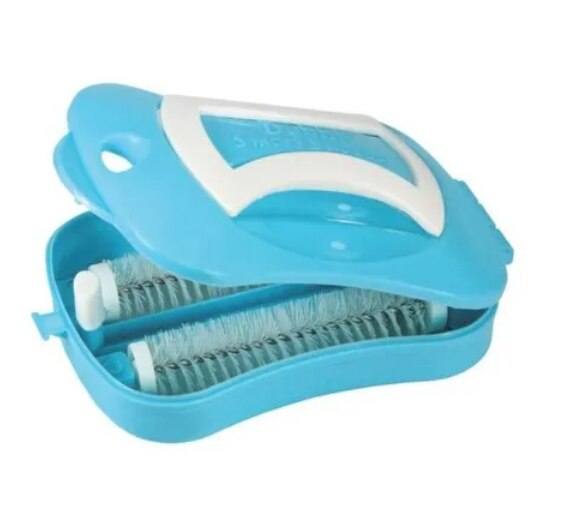 | Magic Brush Plastic Dubbly Sweeper Double Crumb Action Brush Approx. Price: Rs 80 / PieceGet Latest Price Product Details: Minimum Order Quantity 100 Piece Material Plastic Usage/Application For removing of... View product → |