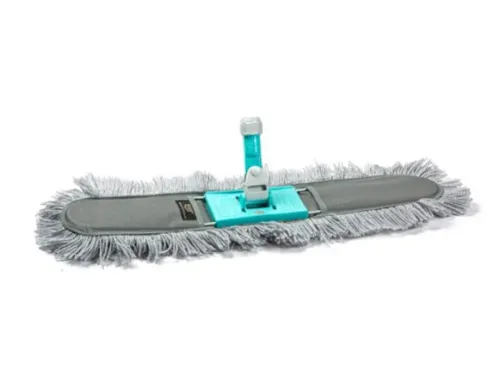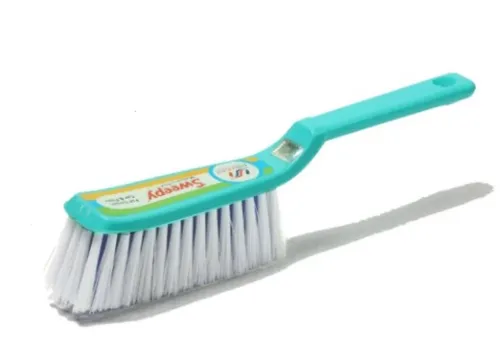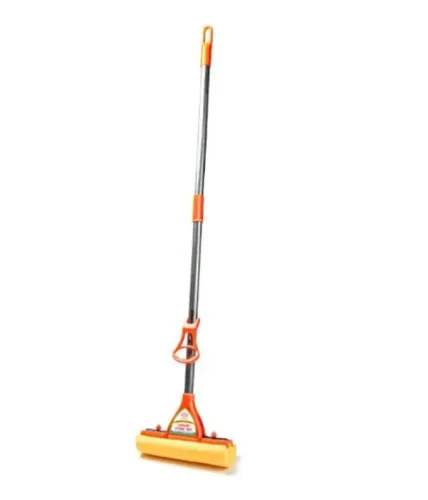
Large wet floors create two separate jobs: loosening soil and moving the resulting liquid out of the way. By the end, you will be able to estimate the labour involved, choose a workable blade width, match the tool to the surface and liquid, and decide when a mop, squeegee or scrubber-dryer is the better choice.
Key takeaways
- Use the blade to gather liquid into a windrow, then direct it to drainage.
- Choose wider blades for open floors and narrower ones for aisles or crowded areas.
- Match blade flexibility and material to the floor texture and liquid thickness.
- Inspect blade edges, handle joints and frame fasteners before each busy cleaning period.
What a commercial floor wiper actually does on a large wet floor
A commercial floor wiper improves frequent cleaning by speeding liquid recovery, not by cleaning the liquid itself. Its blade gathers standing water and cleaning solution into a controllable windrow, allowing you to push it toward a drain, collection point or wet vacuum.
That leaves less free liquid for foot traffic to spread and reduces repeated bending to wring a mop or reach for paper towels.
It is not a substitute for detergent, a mop or disinfection. Detergent loosens soil; a mop applies solution and lifts fine or embedded residue; disinfectant requires the correct product, concentration and contact time. The wiper works after those tasks, when free liquid needs to leave the floor.
Used at this stage, it supports a practical wet cleaning sequence without pretending to remove contamination on its own.
The tool is most effective on a broad, continuous surface such as a washdown room or corridor. A straight blade directs liquid toward a drain, while a curved blade contains more liquid during a long push. Deep grout, damaged concrete, textured safety flooring and level changes can break blade contact, leaving puddles behind.
Use overlapping strokes or a wet vacuum there. Do not rely on a wiper alone for oil, hazardous chemicals, biological contamination or large solids; those require a controlled recovery method and compatible equipment.
How blade width changes passes, coverage and labour
Use the effective width, not the nominal floor wiper blade width, to estimate work. If a 900 mm blade needs a 100 mm overlap, its coverage per pass is 800 mm.
- Measure the wet area’s width and length in the direction of travel.
- Divide the area width by the effective width and round up to get the number of passes.
- Multiply the pass count by the travel length to estimate pushing distance.
- Divide that distance by your walking speed, then add time for turns, drain runs, repositioning and collection.
For example, a 20 m by 30 m area cleaned with a 0.9 m blade and 0.1 m overlap requires 30 ÷ 0.8, or 38 passes after rounding up. At 20 m per pass, the operator pushes about 760 m.
At 1 m per second, that is roughly 13 minutes of movement before interruptions and recovery time.
A wider blade reduces passes and walking distance, but it does not remove all labour effort. The operator still has to control the liquid windrow, turn the head and push against water resistance. Wider heads also become awkward around posts, equipment and tight corners.
Allow extra passes where joints, depressions or textured flooring break blade contact. A failed first pass creates rework, so the fastest estimate is not always the lowest labour estimate. Record the actual time for one representative section, including overlaps and drain trips, then multiply it across similar areas.
Choosing a wiper width for halls, aisles and congested areas
Choose the widest blade that can turn, stop and maintain contact around your most congested route. A 57 cm floor wiper covers open halls quickly, but it becomes awkward between pallets, machines and washroom fixtures.
| Width | Best fit | Blade profile |
|---|---|---|
| 40 cm floor wiper | Toilets, stair landings, narrow corridors and crowded production areas | Straight blade for directing liquid into a nearby drain |
| 41 cm floor wiper | General corridors and aisles with occasional obstructions | Curved or parabolic blade to contain the windrow during longer pushes |
| 50 cm floor wiper | Open aisles, loading zones and medium-sized rooms | Straight blade when the route leads to one collection point |
| 57 cm floor wiper | Large halls and clear washdown areas | Curved or parabolic blade to reduce side-spill across long runs |
A straight blade sends liquid toward a drain, recovery tank or floor machine, but it can push water sideways when the route changes direction. A curved or parabolic blade holds more liquid in front of the head, reducing spill during a long push; it still requires a planned endpoint.
Check the floor before choosing the largest size. Deep grout lines, expansion joints, damaged concrete and textured safety flooring interrupt contact, leaving a wet strip behind. Use overlapping passes, a softer or profiled blade, or a wet vacuum there. Keeping two widths is practical when one facility combines open halls with tight aisles.
Matching the blade and working method to the floor and liquid
Choose the blade by floor surface compatibility, then change your working method for the liquid. A rubber blade gives strong pickup on smooth, sealed surfaces; a foam blade conforms better to minor irregularities but can tear, absorb chemicals, or wear faster.
- Tile: Use a rubber blade on sound, smooth tile and pull toward an open drain. Deep grout lines can leave strips of water, so overlap each pass and finish with a wet vacuum where required.
- Concrete: Use a softer or profiled blade on rough or damaged concrete. Expansion joints and pits interrupt contact, making slower overlapping strokes more effective than heavy pressure.
- Epoxy: A rubber blade usually works well on intact epoxy. Remove grit before pulling it across the coating, because embedded particles can scratch the surface.
- Stone: Check the stone sealer and chemical compatibility before use. Use light pressure and avoid dragging abrasive debris across polished stone.
- Textured flooring: Choose a conformable foam blade, reduce the stroke length, and inspect the grooves after each pass. Heavy texture may require mechanical recovery.
For clean rinse water or diluted detergent solution, push the liquid into a controlled windrow and collect it at a drain or with a wet vacuum. Muddy water removal needs frequent rinsing of the blade; otherwise grit creates trails and scratches.
Do not use the wiper as the sole recovery method for oil, hazardous chemicals, biological contamination, or large solids. Follow the site’s spill procedure and use equipment rated for that liquid.
What to check before buying and how to keep it working
A low purchase price becomes expensive when a loose head or worn blade stops cleaning during every shift. Choose a frame with captive or corrosion-resistant fasteners, a firm handle-to-head connection, and a replaceable wiper blade; confirm that the stated width is the working blade width, not the outer frame.
- Check the handle length: it should let the operator work upright without becoming too flexible or difficult to control. An adjustable handle suits teams of different heights, but it does not replace good two-handed technique.
- Ask whether replacement blades, fasteners and head components are sold separately. Unique Trading Company can help buyers verify spare-part availability and distinguish advertised width from usable blade width before ordering.
- Prefer a blade with continuous, even contact across the floor. Reject one with permanent curl, edge nicks, cracks or a loose mounting channel; it will leave trails and require extra passes.
- After each use, rinse off detergent and grit, inspect the edge, drain trapped water and store the tool off the floor. Never leave dirty solution drying on the blade, where it encourages odour, microbial buildup and deformation.
- Keep hazardous chemicals, biological contamination, large solids and oily liquids out of routine recovery. Use the site’s controlled procedure and compatible equipment instead.
| Construction detail | Benefit | Failure avoided |
|---|---|---|
| Metal frame and captive fasteners | Holds alignment during repeated passes | Head loosening or lost parts |
| Replaceable blade | Restores contact without discarding the handle | Unplanned downtime |
| Correctly sized or adjustable handle | Reduces stooping and fatigue | Poor control and operator strain |
Related products
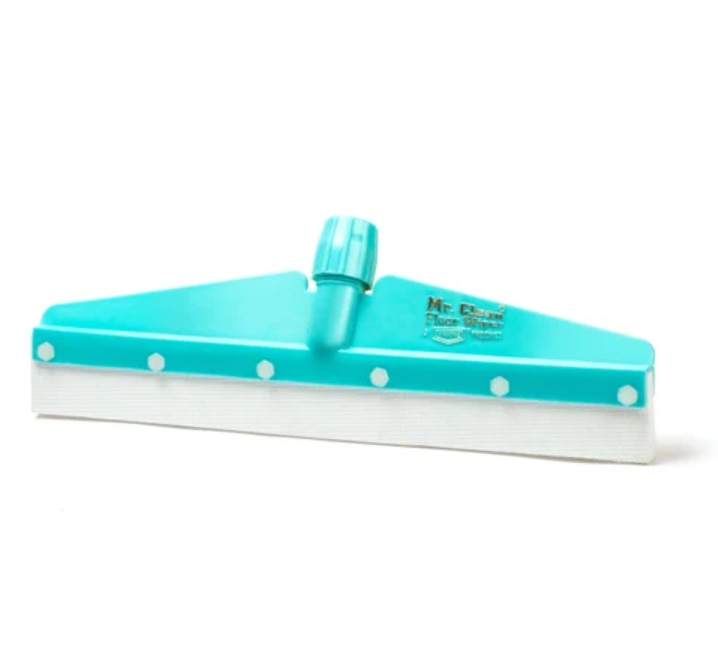 | Plastic Floor Wiper Approx. Price: Rs 108 / PieceGet Latest Price Product Details: Brand Unique Rod Material Iron Rod Length 106 CM Blade Length 40 cm Usage/Application... View product → |
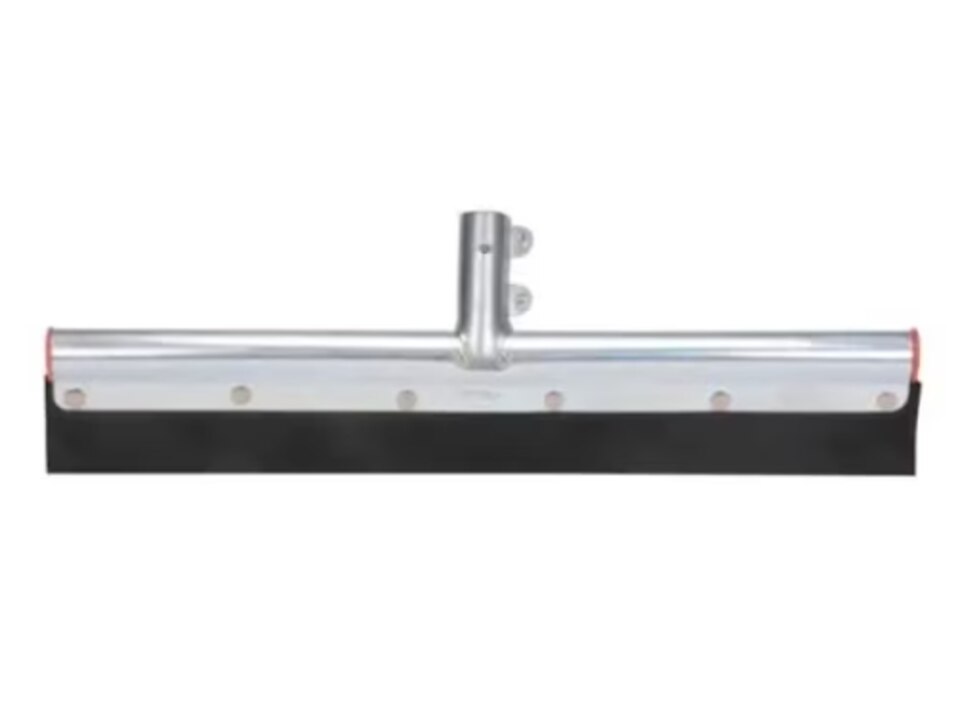
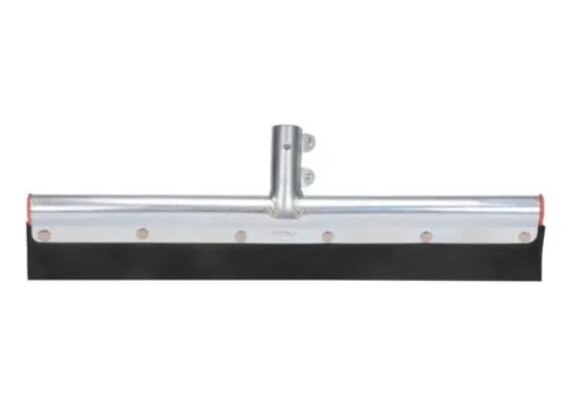 | Metallic Floor Wiper G041 Metallic Commercial Floor Wiper Approx. Price: Rs 152 / PieceGet Latest Price Product Details: Minimum Order Quantity 100 Piece Usage/Application For cleaning and wiping large floor... View product → |
Frequently asked questions
What does a commercial floor wiper do on a large wet floor?
It gathers standing water or cleaning solution into a windrow that you push toward a drain, collection point or wet vacuum.
How does blade width affect cleaning labour?
A wider blade covers more floor per pass and reduces repeated strokes, while a narrower blade turns more easily around obstacles.
Which wiper width suits halls, aisles and congested areas?
Use a wide blade for open halls, a medium blade for standard aisles and a narrow blade where shelving, machinery or furniture restricts movement.
How should you match the blade to the floor and liquid?
Choose a flexible edge for textured floors and a firm, durable edge for smooth floors; use a working method suited to the liquid volume and thickness.
Related products
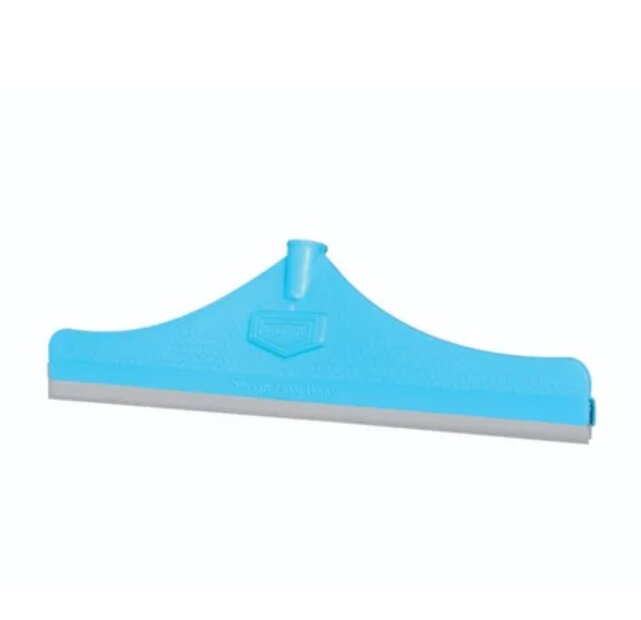 | Plastic Floor Wiper Approx. Price: Rs 132 / PieceGet Latest Price Product Details: Minimum Order Quantity 100 Piece Material Plastic Rod Length 125cm Blade Length 41 cm... View product → |
 | Metallic Floor Wiper G057 Metallic Commercial Floor Wiper Approx. Price: Rs 195 / PieceGet Latest Price Product Details: Brand Unique Handle Material Galvanized Blade Material Rubber Blade Size 57 cm Model... View product → |
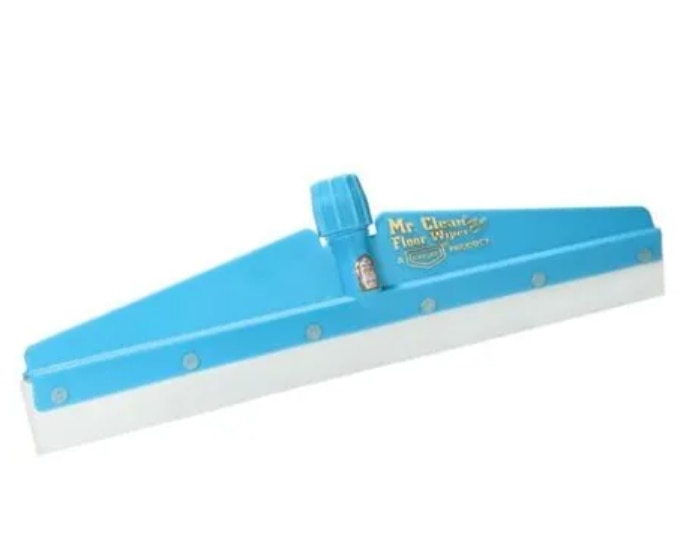 | Plastic Floor Wiper Mr Clean Plus Plastic Floor Wipers Approx. Price: Rs 158 / PieceGet Latest Price Product Details: Minimum Order Quantity 100 Piece Material Plastic Brand Unique Blade Material... View product → |
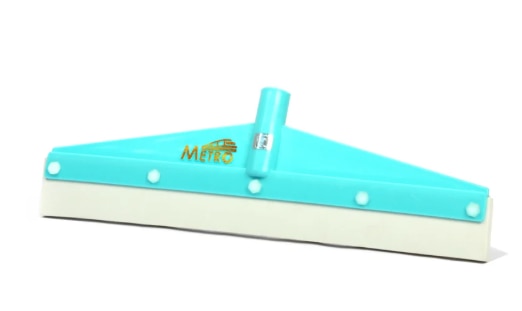 | Plastic Floor Wiper Approx. Price: Rs 96 / PieceGet Latest Price Product Details: Minimum Order Quantity 125 Piece Brand Unique Rod Material PVC Covered Handle Rod Rod... View product → |