Loose dust, hair and grit need a different cleaning response from spills, sticky soil and infectious contamination. By matching the mop to the floor, soil and cleaning zone, you can decide when dry cotton mopping saves labour and when vacuuming, damp cleaning or scrubbing is the safer choice.
Key takeaways
- Use cotton dust mops for loose, dry soil on smooth sealed floors.
- Wet-clean stuck-on soil, oily residue and disinfecting tasks.
- Mop from clean areas toward dirtier areas to avoid spreading grit.
- Assign and launder cotton heads by zone to prevent cross-contamination.
What a Cotton Dust Mop Is Designed to Remove
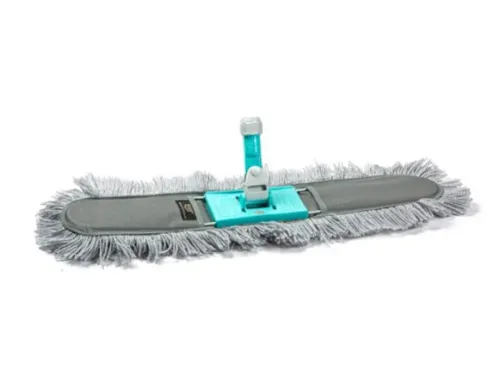
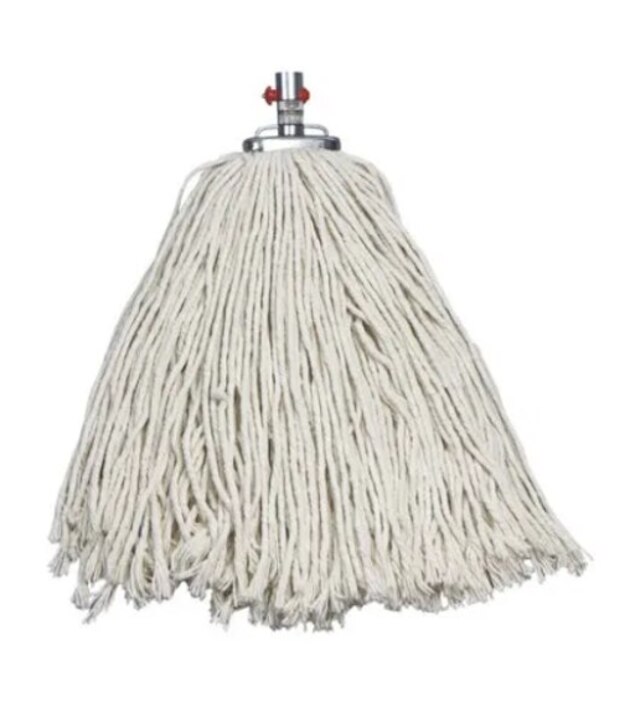
A cotton dust mop collects loose, dry soil from smooth, hard floors without adding water. It suits routine dry floor maintenance and hair and grit removal on finished vinyl, linoleum, sealed concrete, terrazzo and sealed wood. The head lifts surface debris; it will not remove stuck-on soil, oily residue or disinfect a floor.
| Cleaning option | What it removes | When it makes sense |
|---|---|---|
| Cotton dust mop | Loose dust, hair, grit and surface debris | Large, unobstructed sealed floors before damp cleaning |
| Vacuum cleaner | Fine dust, debris in joints and soil on textured surfaces | Carpet, grout-heavy tile, furniture layouts, stairs and edges |
| Damp mop or scrubber | Sticky, wet, oily or embedded soil | Spills, tracked contamination and periodic floor washing |
Dry mopping works when inspection finds loose debris rather than a bonded or wet contaminant. Schedule it by soil loading: entrances, loading routes and wet-weather areas may need several passes daily, while low-traffic interiors need fewer. Visible grit and dust matter more than a fixed calendar.
Do not use it as the routine method where body fluids, infectious contamination or heavily contaminated dust are plausible; dry movement can disperse microorganisms. Remove sand and grit from the head before crossing a finished surface, because a loaded cotton head can drag abrasive particles into scratches or dull traffic lanes.
Grout, stairs and crowded areas need a vacuum or smaller edge tool.
Match the Mop to the Floor, Soil and Cleaning Alternative
Choose a cotton dust mop for routine loose soil on large, open, smooth sealed hard floors, including finished vinyl, linoleum, sealed wood, polished concrete, terrazzo, and sealed marble and granite floors. It collects surface debris; it does not remove bonded soil, grout buildup or spills.
| Option | Best fit | Choose another tool when |
|---|---|---|
| Cotton dust mop | Dry dust, hair and loose grit on broad smooth floors | Furniture, stairs, edges or a head loaded with abrasive grit make dragging and scratching likely |
| Vacuum cleaner | Carpet, textured floors, joints, corners and fine dust | You need rapid coverage across an unobstructed, smooth floor |
| Microfiber mop | Electrostatic dust capture, fine particles and washable repeated use | Large debris or heavy grit fills the fabric quickly |
| Synthetic yarn mop | Frequent commercial use where durability, quick drying and consistent dust collection matter | You need cotton’s absorbency or a softer head for a delicate finish |
| Broom | Edges, outdoor areas and heavily soiled debris before collection | Fine dust would become airborne or spread across a finished floor |
Use a vacuum with a hard-floor attachment around dense furniture, stair treads, ceramic-tile texture and grout. A microfiber mop suits fine dust, but neither option replaces damp cleaning when soil sticks.
Check a newly laundered cotton head for lint before using it on high-appearance floors. Separate heads by zone, remove sand before crossing a finish, and apply floor-compatible treatment sparingly; excess oil leaves film, attracts soil and creates slip risk. Use wet cleaning instead where infectious contamination or body fluids are plausible.
How to Dry Mop Without Spreading Grit or Dust
Use a clean, zone-assigned cotton head and keep it flat against the floor. This dry dust mopping procedure collects loose soil without driving it into the finish or sending dust into occupied air.
1. Inspect the route before starting. Remove cords, small objects and standing liquid, and place a warning sign at entrances if people could enter the work area. Do not dry mop around body fluids, infectious contamination or heavily contaminated dust; use wet cleaning and the site’s infection-control procedure.
2. Begin at the farthest point from the exit and work toward it. Guide the head with a figure-eight movement around fixtures, keeping the leading edge in contact with the floor so debris stays in front of the mop instead of being left behind.
3. Make overlapping passes across the open area. Overlap each pass by several centimetres, match the head width to the aisle, and avoid forcing an oversized head around furniture where it will miss edges.
4. Stop when the head carries visible sand, hair or grit. A loaded head can drag abrasive particles across vinyl, terrazzo, sealed wood or polished concrete, creating scratches and dull traffic lanes. Remove the soil into a dustpan without shaking the head indoors.
5. Check the floor before opening the route. Move people around wet spots or remaining debris, and replace the head before entering a cleaner zone. Keeping the head dry, clean and controlled is floor safety as well as appearance control.
Clean, Launder and Assign Cotton Heads by Zone
A used cotton head stays in its assigned zone until you remove it for cleaning. Do not carry one head from a dirty entrance into a restroom, food-service area or low-traffic office; a dry appearance does not prove that it is clean.
Assign heads by location or soil load:
- Entrance and lobby heads
- Restroom heads
- Food-service heads
- Office and low-traffic heads
- Utility-area heads
Remove a head from service when it is visibly loaded, leaves lint, develops an odour or no longer collects dust. Do not shake a loaded head indoors: the impact can re-aerosolise captured grit and dust. Contain it in a labelled laundry bag or covered bin until laundering.
Good cotton dust mop care includes inspecting a newly laundered head for loose fibres before using it on polished floors. Keep heads for high-appearance areas separate from those used on rough concrete or utility floors, where fibres and embedded grit create less visible damage.
Follow the head and detergent manufacturer’s instructions for laundering cotton mop heads, and keep heavily soiled or oily loads separate. Return each head only after it is fully dry. Store it without crushing the cotton fibres.
Use a dust-control treatment spray only as its label directs. Apply a light, even treatment to the head rather than wetting the floor; excess product can leave residue, attract soil and affect floor appearance.
Do not use dry cotton mopping as infection-control cleaning where body fluids, infectious contamination or heavily contaminated dust is plausible. Isolate the area and use the facility’s wet-cleaning or damp-dusting procedure instead.
What to Check Before Buying a Cotton Dust-Mop System
A workable program begins with fit, not nominal head size. Compare cotton dust mop specifications for head dimensions, frame width, handle adjustment, head attachment security and the floor area each unit must cover. A large head saves passes only when staff can manoeuvre it without striking walls, shelving or fixtures.
Check these purchasing details before approval:
- Choose a rigid frame with mop frame durability suited to daily pulling, turning and storage; a bent frame leaves untreated strips.
- Confirm that the head detaches for laundering and that replacement heads fit the frame without stretching, tying or improvised fasteners.
- Ask for the treatment product, application amount and drying requirement. Untreated cotton can shed lint, while excess treatment leaves residue on polished floors.
- Specify separate heads for entrances, restrooms, food-service areas, offices and rough utility floors. Do not move a grit-loaded head into a clean zone.
- Provide a rack or shelf that stores the assembly without compressing cotton fibres or exposing clean heads to soil.
| Specification | Confirm before buying | Failure if overlooked |
|---|---|---|
| Frame and handle | Metal construction, secure joints, adjustable length | Looseness, poor reach or missed edges |
| Head attachment | Clips, pockets or fasteners that hold during turns | Head drag, detachment and uneven collection |
| Laundering | Wash instructions, drying method and lint inspection | Residue, shrinkage or loose fibres |
| Supply continuity | Replacement heads and compatible frames available | A usable frame becomes idle |
For a bulk cleaning-supply purchase, Unique Trading Company can be asked to confirm head compatibility, replacement availability and the minimum order before you standardise one system across zones.
Related products
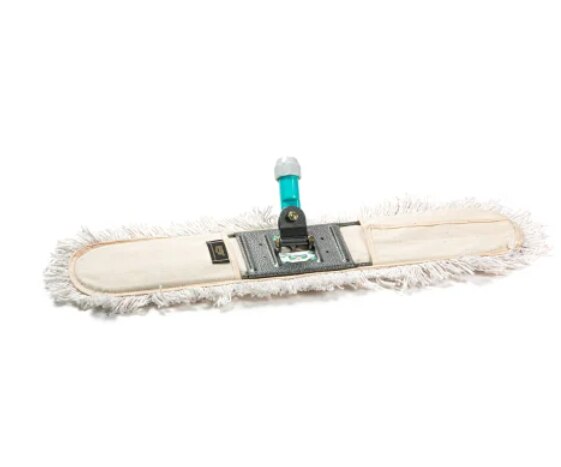 | Dust Control Mops Approx. Price: Rs 404 / PieceGet Latest Price Product Details: Minimum Order Quantity 100 Piece Mop Head Material Cotton Yam Brand Unique... View product → |
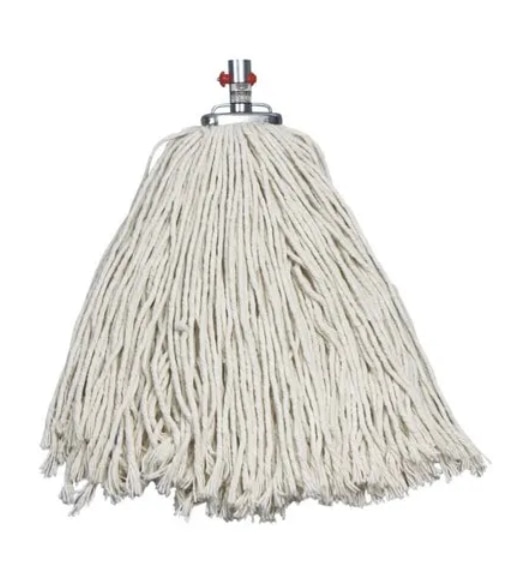 | Unique Mop Approx. Price: Rs 146 / PieceGet Latest Price Product Details: Minimum Order Quantity 100 Piece Pole Material Galvanized Brand Unique... View product → |
Frequently asked questions
What does a cotton dust mop remove?
It collects loose, dry soil such as surface grit, dust and hair from smooth, hard floors. It does not remove stuck-on soil, oily residue or disinfect a floor.
Which floors suit a cotton dust mop?
Use it on finished vinyl, linoleum, sealed concrete, terrazzo and sealed wood when the floor needs routine dry maintenance.
When should you use a cleaning method other than dry mopping?
Use wet cleaning for stuck-on soil, oily residue or disinfection. A cotton dust mop is for loose surface debris without added water.
How can you stop a cotton dust mop from spreading grit?
Mop in an organised path, collect debris instead of pushing it between areas, and clean or replace the head when it becomes loaded with soil.
Related products
 | Unique Mops Approx. Price: Rs 120 / PieceGet Latest Price Product Details: Minimum Order Quantity 100 Piece Pole Material Plastic,PVC Mop Head Material Cotton... View product → |
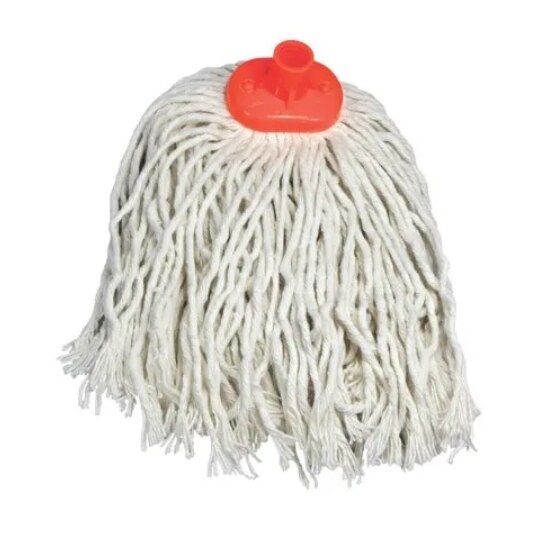 | Unique Mop Approx. Price: Rs 90 / PieceGet Latest Price Product Details: Material Plastic Pole Material Plastic Brand Unique Color all Mop Head Material Cotton... View product → |