A floor brush can fail through weak bristle anchoring, a poor handle joint, chemical damage, surface scratching, or inconsistent production long before its unit price looks expensive. By the end, you will have a practical framework for specifying construction, testing samples, checking factory controls, and comparing the true cost of competing suppliers.
Key takeaways
- Specify polymer, diameter, taper, crimp, flagging, length, and density.
- Request production records, batch controls, and documented quality checks.
- Test bristles against your floors, chemicals, debris, and hygiene requirements.
- Compare total service life, replacement parts, packaging, and handling effort.
Match the brush construction to the cleaning job
Choose the floor brush construction by debris and surface, not by labels such as “premium,” “stiff,” or “industrial.” Ask the floor brush manufacturer to state the bristle polymer, diameter, taper, crimp, flagging, exposed length, and bristle density.
PP suits low cost and chemical resistance; PET usually provides greater stiffness and wear resistance; nylon has resilience but changes stiffness when wet.
| Cleaning job | Construction to compare | Warning sign |
|---|---|---|
| Fine dry dust on smooth floors | Soft, densely flagged filaments with moderate exposed length | Very stiff, unflagged bristles scatter dust |
| Sand, gravel, or heavy dry debris | Larger-diameter PET or PP bristles, shorter trim, firm block | Excessive flagging traps soil and moisture |
| Stuck-on soil, grout, mud, or washdown | Stiff, shorter bristles with a rigid block and strong socket | A soft broom bends without breaking the soil bond |
Inspect bristle anchoring as carefully as the fibres. Stapled, mechanically anchored, and epoxy-set tufts fail differently, so require pull-out testing before and after wetting, drying, detergent exposure, and flexing; define the permitted number of loose filaments.
Check block edges, staple ends, plastic flash, and metal ferrules because trapped grit or sharp parts can scratch vinyl, laminate, epoxy, natural stone, finished wood, or coated floors. Test representative floor coupons with controlled debris and repeated passes, then set a visible-scratch and transfer limit.
A brush that cleans well but marks the floor is the wrong construction.
Demand evidence of consistent production and quality control
An approved sample proves only what one production run looked like. To predict later lots, put measurable acceptance criteria and change control in the purchase agreement, then compare repeat samples against the approved reference for bristle trim length, density, block dimensions, handle fit, and pull-out strength.
Ask the manufacturer for these records before placing a volume order:
- Lot traceability linking each production batch to the bristle compound, block material, adhesive or anchor system, and packaging
- Retained samples from each lot, including resin source and recycled-content documentation
- Manufacturer quality control records showing incoming-material checks, first-piece approval, in-process inspections, and final-release checks
- The brush defect rate by lot, with defect definitions, inspection quantity, and corrective-action records
- A written change-control process requiring your approval before changing tooling, materials, suppliers, colour masterbatch, adhesive, or assembly settings
Run a pilot order followed by a second lot, and measure the same features using the same gauges and test method. Recycled polymers and colour masterbatches can change stiffness, colour, odour, contamination risk, and dimensional stability, so record those properties rather than accepting a visual match.
ISO 9001 supports a quality-management system; it does not prove brush performance. Check the certificate’s scope, covered site, issuing body, expiry date, and exclusions, then require product-specific inspection data. A supplier unable to connect a finished brush to its production batch cannot reliably explain or contain a recurring failure.
Test bristles, surfaces, chemicals, and hygiene risks
Reject a sample that passes only a hand-feel check. Specify the filament polymer and geometry: PP offers low cost and chemical resistance, PET usually holds stiffness and wear resistance better, while nylon provides resilience but changes stiffness when wet.
Record diameter, taper, crimp, flagging, exposed length, and bristle density because each changes pickup and surface contact.
Use the same debris load, floor coupons, number of passes, and operator pressure for every supplier sample:
- Run a bristle stiffness test with fine dust and the heavier debris found at the site. Soft, densely flagged filaments can collect dust better than very stiff ones; unflagged filaments often lift larger particles more effectively.
- Test a ceramic tile cleaning brush on grout lines and a concrete floor brush on embedded grit or mud. Measure pickup after a fixed number of passes instead of judging the result by appearance.
- Qualify delicate-floor samples on representative vinyl, coated, wood, or stone coupons with controlled grit. Inspect for scratches, black transfer, staple ends, block-edge marks, plastic flash, and ferrule contact, then set a visible-damage acceptance limit.
- Expose the complete brush to the actual cleaner concentration, temperature, contact time, and rinse routine. Record swelling, embrittlement, colour change, adhesive failure, handle-coating damage, and bristle loss as the chemical resistance result.
Check hygiene as well as cleaning power. Excessive flagging can retain soil and moisture, while cracks, loose tufts, and porous blocks shelter residue. Wash and dry tested brushes, inspect them after repeated cycles, and reject designs that shed bristles, trap debris, or cannot be visibly cleaned.
Check ergonomics, compatibility, packaging, and replacement parts
Approve the complete assembly, not just the bristle block. Measure brush handle length, grip diameter, total weight, and balance against the operator’s height, reach, and cleaning posture; an oversized handle causes fatigue, while a short one forces bending.
- Fit the sample to the actual equipment, holder, thread, or socket. Record thread diameter, pitch, insertion depth, locking method, and handle socket compatibility; “standard” does not guarantee interchangeability.
- Ask whether the handle is replaceable and obtain replacement handles from the proposed supply chain. Install and remove them repeatedly to expose thread stripping, socket cracking, ferrule loosening, or poor retention.
- Qualify the joint through repeated bending and torsional loading, wet-use cycles, and impact or drop testing. A brush with secure bristles can still fail when its handle bends or its socket splits.
- Set operator acceptance limits for force, vibration, grip comfort, and reach during a timed cleaning trial. Compare performance with gloves and the protective equipment used on site.
- Specify brush packaging, including carton dimensions, gross weight, stacking limit, moisture barrier, and drop and compression criteria. Check incoming samples for bowed handles, crushed blocks, bent ferrules, and permanently deformed bristles.
- Require an assembly and spare-parts list showing every adapter, handle, fastener, and replacement block included. Confirm that the delivered brush needs no unplanned drilling, trimming, or assembly before use.
Document the inspection method and reject packaging that exceeds your manual-handling limit or arrives with deformation. This turns compatibility and readiness into acceptance criteria rather than assumptions.
Compare suppliers by usable service life and documented risk
A low unit price is meaningless if bristles wear quickly, handles break, or minimum-order inventory becomes obsolete. Compare floor brush total cost of ownership per operating month or cleaning area, using a quotation that separates tooling, samples, testing, packaging, freight, duties, spare handles, and warranty or replacement terms.
Request these records before awarding the order:
- A commercial quotation showing unit price, minimum order quantity, lead time, payment terms, freight assumptions, and replacement conditions. For a quote from Unique Trading Company, ask which costs apply to the complete brush system rather than the head alone.
- A lot-traceability record linking the bristle compound, block material, adhesive or anchor system, and packaging to a production batch. Ask whether the supplier retains samples and records resin sources and colour masterbatches.
- A change-control agreement requiring approval before changing polymer, bristle diameter, trim, block, adhesive, tooling, or production site.
- An EU-market file identifying who maintains the risk assessment, technical documentation, incident records, recall process, warnings, and responsible-person information under the EU General Product Safety Regulation, which applies from 13 December 2024.
- A REACH material declaration naming the legal entity responsible, screening Candidate List substances and restricted substances, and committing to updates. Article 33 communication duties can apply above 0.1% by weight in an article.
| Document | Verify | Risk if missing |
|---|---|---|
| ISO 9001 certificate | Scope, site, issuer, expiry, exclusions | A logo does not prove brush performance |
| Inspection records | Acceptance limits, sample size, defect results | Later lots can differ from the approved sample |
| Warranty terms | Coverage, evidence required, remedy, response time | Service-life claims become difficult to enforce |
Related products
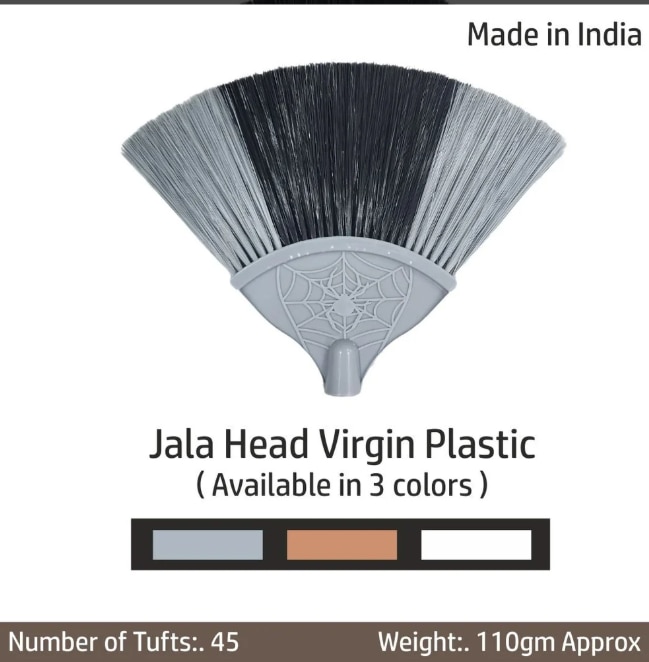 | Cleaning Brushes Unique Trading Company presents the high-quality Cleaning Brush, designed to deliver powerful and efficient cleaning for a wide range of... View product → |
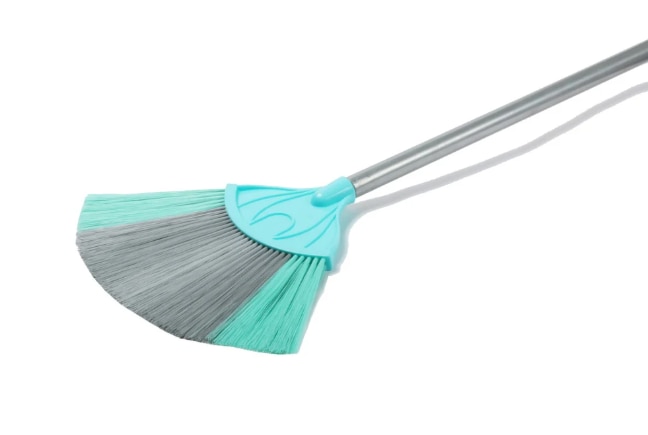 | Unique Celling Broom Approx. Price: Rs 140 / PieceGet Latest Price Product Brochure Product Details: Minimum Order Quantity 100 Piece Usage/Application Cleaning Broom... View product → |
Frequently asked questions
What brush construction should you request for a floor-cleaning job?
Match the bristle polymer, diameter, taper, crimp, flagging, exposed length, and density to the debris and floor surface. Do not choose from labels such as “premium” or “industrial” alone.
What quality evidence should a floor brush manufacturer provide?
Ask for production specifications, batch identification, inspection records, and a clear process for handling defects and maintaining consistent dimensions.
How should you test a floor brush before placing a bulk order?
Test bristles on the intended floor with the debris, cleaning chemicals, water temperature, and operating method used at your site. Check cleaning performance, surface marking, shedding, and hygiene risks.
How can you compare floor brush suppliers beyond the purchase price?
Compare usable service life, cleaning output, operator effort, compatibility with handles or machines, packaging waste, replacement-part availability, and documented product risks.
Related products
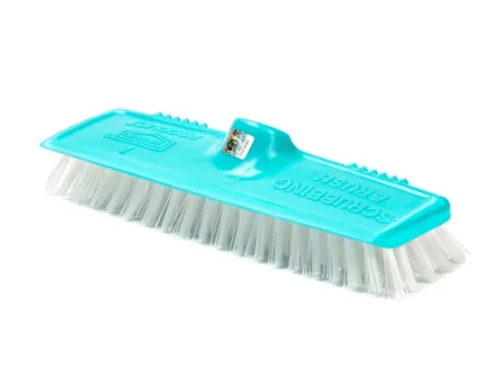 | Plastic Brooms Approx. Price: Rs 146 / PieceGet Latest Price Product Brochure Product Details: Bristle Stiffness Medium Usage/Application For Brooming, Scrubbing &... View product → |
 | Cleaning Brushes Unique Trading Company Unique Trading Company presents the high-quality Jala Brush, designed to deliver powerful and efficient cleaning for a wide... View product → |
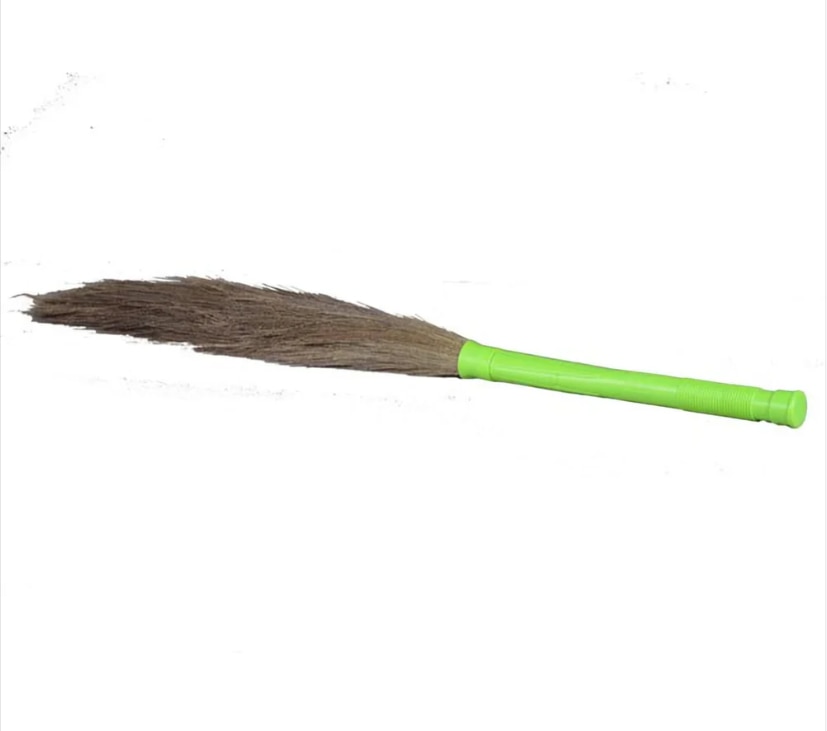 | Grass Broom Approx. Price: Rs 86 / PieceGet Latest Price Product Details: Minimum Order Quantity 100 Piece Handle Material Plastic Material Grass... View product → |