Small pieces of dry waste are generated constantly in homes, offices, restaurants, shops, hotels, and commercial premises. Dust, crumbs, paper pieces, hair, packaging fragments, and other debris may seem minor, but collecting them efficiently is an important part of maintaining a tidy environment.
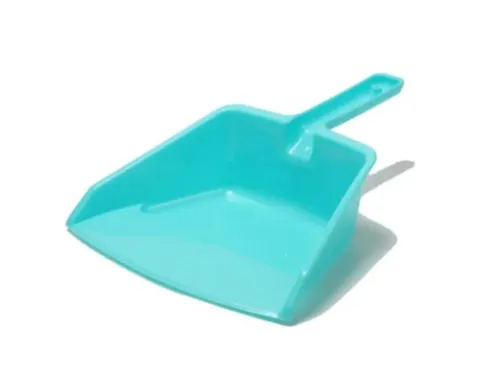
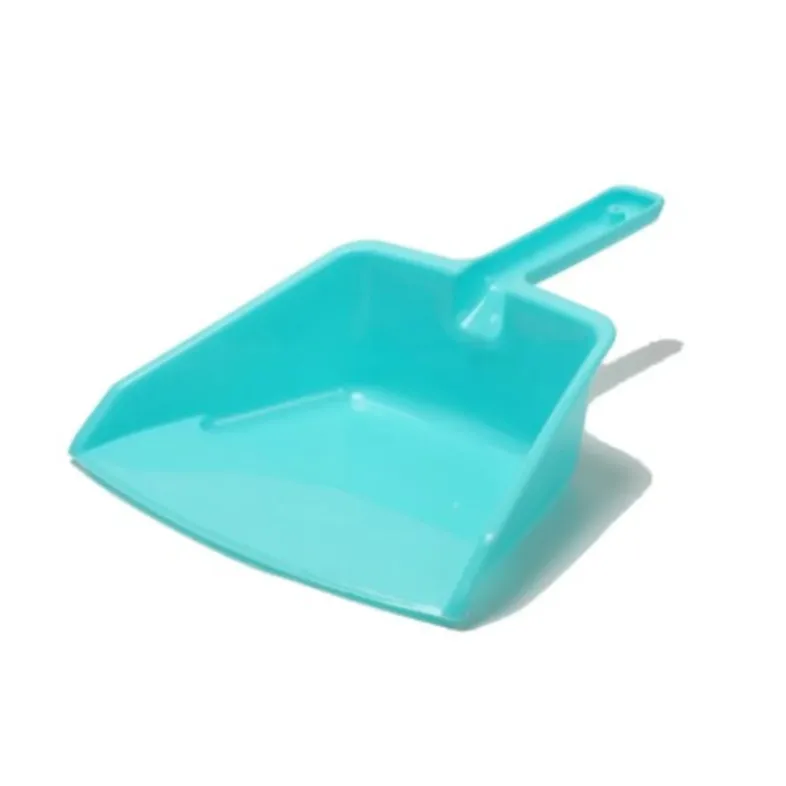
A Sweepy Pan provides a simple way to collect swept waste without making routine floor cleaning unnecessarily complicated.
A Simple Tool Can Solve a Frequent Problem
Traditional sweeping usually involves gathering debris into one place and then transferring it into a bin. The effectiveness of this process depends greatly on the collection tool.
If the pan does not sit properly against the floor, fine dust can remain underneath its edge. Users may need to sweep the same area repeatedly, making a simple task more time-consuming.
A practical pan should therefore offer a stable collection surface and an edge that allows debris to be swept into it conveniently.
Useful Across Different Environments
The usefulness of a Sweepy Pan extends beyond household kitchens and living rooms.
In retail stores, employees may need to remove small debris during business hours without performing a complete floor-cleaning routine. Restaurants regularly deal with crumbs and dry food particles. Offices may need quick spot cleaning around desks, entrances, and pantry areas.
Hotels and housekeeping teams can also use compact waste collection tools for routine room maintenance.
For businesses across Delhi and the wider National Capital Territory, such tools are especially useful where cleaning needs to be performed repeatedly throughout the day.
Good Design Makes Routine Work Easier
When selecting a pan for frequent use, buyers should look beyond appearance.
Important considerations include:
- A practical width for collecting debris
- A comfortable grip
- Stable construction
- Smooth surfaces that are easy to clean
- An edge that sits appropriately against the floor
- Convenient storage after use
These details can make a noticeable difference for people who perform cleaning activities every day.
Hygiene Depends on Tool Maintenance Too
A waste collection pan comes into direct contact with dust and debris. It should therefore be cleaned regularly rather than being stored immediately after use.
After collecting wet or sticky material, the pan should be washed and dried. Separate tools may also be useful for areas with different hygiene requirements, particularly in food-service and commercial environments.
Organised housekeeping teams can designate cleaning tools by zone to reduce unnecessary movement of dirt between spaces.
Selecting According to Cleaning Frequency
A household using a pan occasionally has different requirements from a housekeeping contractor using the same type of tool throughout the day.
Commercial buyers should pay particular attention to repeated handling, storage, ease of cleaning, and construction. Retailers and cleaning product dealers should similarly consider the requirements of the customers they serve rather than stocking products based only on price.
Unique Trading Company manufactures household cleaning tools for domestic and professional applications in Delhi. For distributors and dealers, understanding the expected usage environment can make product selection more relevant to end customers.
The Sweepy Pan demonstrates an important principle of cleaning equipment selection. Even a basic tool deserves attention to usability and design when it is used frequently.
Choosing practical equipment for everyday tasks helps make cleaning routines simpler, more organised, and easier to maintain consistently.
Keywords