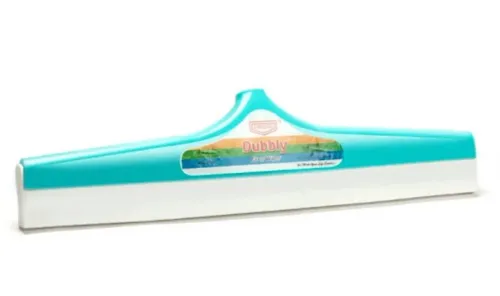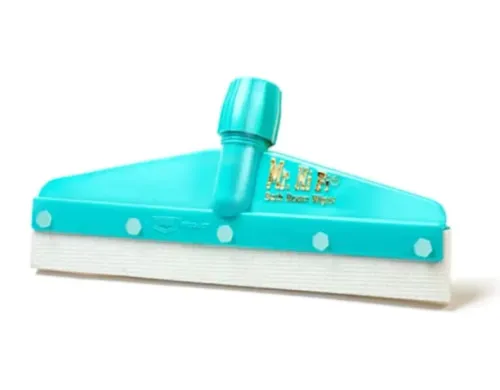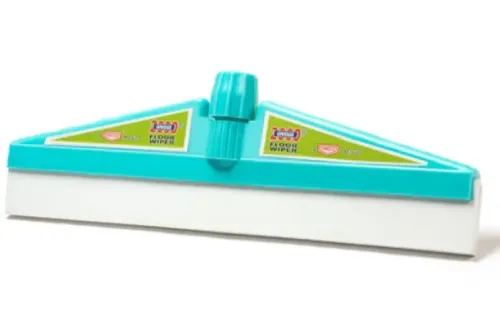
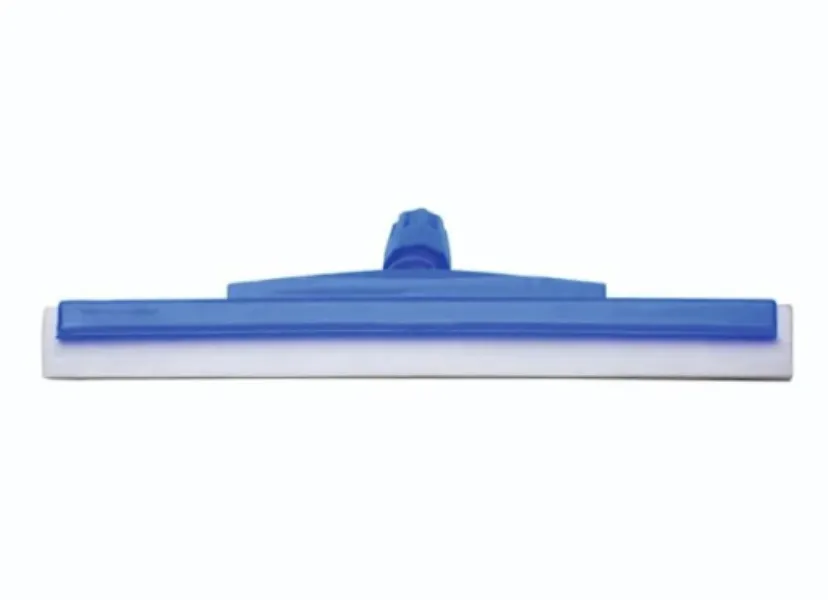
Water left behind after mopping, washing, or accidental spills can make floors inconvenient to use and increase the time required for cleaning. A floor wiper provides a straightforward way to move excess water toward a drain or collection area, but different designs can perform very differently in everyday conditions.
Understanding what makes the best floor wiper for a particular environment can help households and professional cleaning teams make a more informed choice.
Effective Water Removal Comes First
The primary purpose of a floor wiper is to move water efficiently.
Its wiping edge should maintain useful contact with the flooring as it moves across the surface. Poor contact can leave streaks and patches behind, forcing the user to repeat the same area.
The condition of the wiping edge also matters. Regular inspection is useful because heavily worn components may reduce cleaning performance over time.
Width Should Match the Cleaning Area
A wider cleaning head can cover more surface in each pass, making it practical for large halls, corridors, kitchens, and common areas.
However, maximum width is not always ideal.
Smaller bathrooms, narrow spaces, and areas around furniture may be easier to clean with a more compact design. The right size therefore depends on the environment rather than a single universal specification.
Handle Design Influences Comfort
Floor cleaning involves repeated pushing and pulling movements. Poorly designed handles may require excessive bending or awkward positioning.
Buyers should consider:
- Suitable handle length
- Comfortable grip
- Secure connection between handle and head
- Manageable overall weight
- Easy movement across the intended flooring
These factors become particularly important for housekeeping staff responsible for large areas.
Flooring Conditions Should Guide Selection
Delhi properties can include tiled homes, restaurant kitchens, office floors, hotel bathrooms, institutional buildings, and commercial premises. These environments have different cleaning frequencies and surface conditions.
A wiper intended for a household bathroom may not face the same workload as one used in a busy commercial kitchen.
Before purchasing, it helps to consider how much water typically needs to be removed, how frequently the tool will be used, and how large the cleaning area is.
Proper Care Supports Consistent Performance
Even a well-made wiper benefits from simple maintenance.
After use, rinse away dirt and cleaning solution residue. Allow the tool to dry instead of leaving the wiping surface continuously wet. Avoid placing heavy objects against the wiping edge during storage because prolonged pressure may affect its shape.
Commercial cleaning teams can also inspect floor tools periodically and replace heavily worn equipment before cleaning quality declines.
There Is No Single Best Choice for Every User
The phrase 'best' should be understood in context.
For a homeowner, convenience and compact storage may matter most. A hotel may prioritize frequent use and efficient coverage. A housekeeping company may value consistency, durability, and easy handling across multiple sites.
Unique Trading Company manufactures cleaning tools in Delhi for varied household and commercial requirements. Evaluating a floor wiper according to actual usage is more useful than choosing solely on appearance.
The best floor wiper is ultimately the one that combines effective water removal, practical handling, suitable dimensions, and dependable construction for the environment in which it will be used.
Keywords