

The right floor wiper depends on the surface, the liquid or soil you need to remove, the room’s layout, and the person using it. By comparing blade contact, usable width, handle design, materials, and cleaning protocols, you can select a tool that works efficiently without leaving water, damaging finishes, or creating unnecessary strain.
Key takeaways
- Match the head to floor texture, room size, and water volume.
- Use rubber blades for smooth floors and textile heads for textured surfaces.
- Choose a handle length that keeps pushing controlled without bending.
- Compare bulk options by replacement parts, cleaning workload, and service life.
Match the Wiper Head to the Floor and Cleaning Area
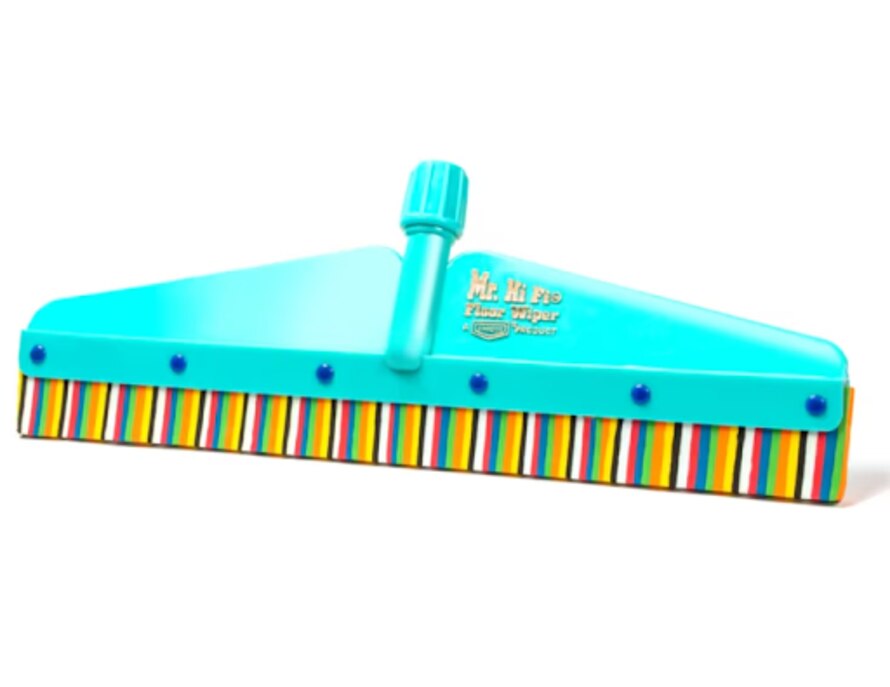
Floor wiper selection starts with the floor profile and room layout, not absorbency alone. Continuous rubber or foam blades suit smooth, nonporous tile floors, ceramic floors, marble floors, granite floors, vinyl floors, and epoxy floors.
Textured floors, deep grout lines, and uneven floors need a textile or microfiber head because a hard blade can bridge depressions and leave liquid behind.
| Blade width | Best layout | Practical choice |
|---|---|---|
| 40 cm blade | Small washrooms, balconies, and rooms crowded with fixtures | Turns easily and reaches beside toilets or cabinets |
| 41 cm blade | Compact kitchens, bathrooms, and narrow corridors | Balances manoeuvrability with useful coverage |
| 42 cm blade | Small offices and general household rooms | Covers more floor without becoming awkward |
| 45 cm blade | Standard rooms and medium corridors | A versatile width for repeated daily cleaning |
| 50 cm blade | Open offices, kitchens, and larger rooms | Reduces passes where furniture is limited |
| 57 cm blade | Warehouses, halls, and broad unobstructed floors | Saves time but is difficult around fixtures and tight corners |
The stated width is not the usable width: end caps, wall clearance, handle angle, and overlap reduce coverage. Compare the head’s actual contact span and count passes around furniture before choosing; a 57 cm blade can be slower than a 40 cm blade in a crowded washroom.
Concrete floors with heavy soil need scrubbing before liquid pickup, while tile or ceramic floors with wide grout lines benefit from a head that reaches into the joints.
Choose Rubber, Synthetic Rubber, or a Textile Head
A rubber blade gives the best water removal on smooth, nonporous floors such as glazed tile, ceramic, marble, granite, vinyl, and epoxy. It pushes liquid cleanly, but a hard edge can bridge textured concrete, deep grout lines, and safety flooring, leaving residual water in the depressions.
| Contact material | Best at | Choose it when |
|---|---|---|
| Rubber blade | Water removal and light dust and hair removal | The floor is smooth, sealed, and free of deep texture |
| Synthetic-rubber blade | Water removal with improved resistance to selected chemicals, oils, or temperature | The chemical label and blade compound are compatible |
| Microfiber floor wiper | Dust and hair removal, cleaning solution pickup, and reaching uneven surfaces | The floor has texture, grout recesses, or a slip-sensitive finish |
A synthetic-rubber blade is not automatically safer with every disinfectant. Check the compound’s resistance to the product’s pH, solvent content, dilution, and temperature; natural rubber suits routine wet wiping but degrades faster with prolonged oil or solvent exposure.
Do not use an absorbent textile head to remove disinfectant before its stated wet contact time ends. Apply enough cleaning solution to keep the surface visibly wet for the label’s required time, then use the wiper to remove residue when the floor specification requires it.
Wash and dry textile heads after use: color coding separates zones, but it does not prevent contamination from a dirty, wet head.
Set Handle Length and Construction for Controlled Pushing
A 106 cm handle suits many users for close, controlled pushing, while a 107 cm handle and 3.5-foot handle offer nearly the same reach. Choose a 125 cm handle when you need less bending across open floors, but avoid it in tight bathrooms or around furniture.
An adjustable rod helps different operators, only if its lock stays firm during repeated wet pushing; a fixed rod offers better consistency and fewer loose parts.
| Option | Advantage | Check before buying |
|---|---|---|
| 106 cm handle | Compact control | Confirm the grip does not force a bent wrist |
| 107 cm handle | Slightly greater reach | Compare shoulder comfort during several passes |
| 125 cm handle | Reduces bending | Test manoeuvrability in narrow rooms |
| Plastic handle | Light weight and no rust exposure | Check grip and impact resistance |
| Iron handle | Strong under force | Protect it from rust exposure |
| Galvanized handle | Better corrosion protection than bare iron | Inspect the coating for scratches |
| PVC-covered handle | More comfortable grip and insulation | Check that the covering does not rotate |
| Powder-coated handle | Adds a hard protective finish | Look for chips at joints and edges |
Treat the handle-to-head connection as a working part, not a minor fitting. A pinned or threaded joint usually controls sideways pushing better than a loose quick-release fitting; a swivelling joint helps you reach under furniture but excessive play makes the blade wander.
Ask whether spare clips or socket parts are available, then check that the head stays aligned when you push at an angle.
Check the Wiper Against the Facility’s Cleaning Process
A commercial floor wiper suits an area when it removes that area’s soil without damaging the floor or breaking the cleaning workflow. Check these points before assigning one tool to bathroom cleaning, kitchen cleaning, balcony cleaning, office cleaning, corridor cleaning, warehouse cleaning, restaurant cleaning, or a hospital floor.
1. Match the soil to the task. Use a wiper for controlled water pickup and final removal after detergent cleaning. In bathrooms, kitchens, and restaurants, remove hair, grease, and loose soil first; scrubbing with a soft pickup blade wears it quickly and leaves grime in textured flooring.
Balcony and warehouse cleaning suit durable blades for rainwater, dust, and concrete debris.
2. Verify chemical compatibility. Confirm the detergent or disinfectant’s pH, dilution, solvent content, and temperature limits against the floor finish, vinyl, epoxy, rubber, adhesive, and metal parts. Disinfectant contact time belongs to the chemical label: apply enough solution to keep the surface wet for that period, then remove residue when the floor specification requires it.
3. Control cross-contamination. Color coding separates bathroom, food-service, office, and clinical zones, but it cannot replace cleaning controls. For a hospital floor, remove reusable heads, transport them safely, launder and dry them under a defined process, and never return a used head to clean solution.
4. Test the workflow. Confirm wringer compatibility, storage space, and head replacement procedures before purchase. A wiper is suitable only when staff can keep heads separate, dry, and ready for the next area.
Compare Wholesale Options by Use, Maintenance, and Replacement
Before a bulk floor wiper purchase, verify usable head width, not only the advertised blade length. End caps, wall clearance, handle angle, and overlap reduce coverage, so ask how many passes are needed around fixtures and whether the head stays aligned during sideways pushing.
Ask the supplier to confirm:
- The minimum order quantity, carton count, spare clips, socket parts, and whether the replaceable blade is sold separately.
- The joint design: a fixed head gives stronger push control, while a quick-release joint speeds head changes but can develop play.
- The adjustable handle range, locking method, and replacement rate expected under your floor conditions.
- For textile heads, the number required per shift, clean-storage space, laundering capacity, and a written wash process. Avoid fabric softener and oily detergent; wash heads separately from lint-producing textiles.
| Option | Best fit | Verify before ordering |
|---|---|---|
| Fixed head | Corridors, open rooms, heavy push-off | Check alignment and blade wear; confirm whether the blade is replaceable. |
| Quick-release joint | Multiple rooms or frequent head changes | Test the clip, ask for spare clips, and reject a joint that twists under load. |
| Flat microfiber head | Zoned cleaning and lower solution use | Calculate heads per shift, laundering capacity, clean-storage space, and replacement rate; never treat it as self-disinfecting. |
For washrooms and kitchens, use detergent to remove grease and soil before liquid pickup. Trying to scrub with a soft blade accelerates blade wear. When comparing wholesale cleaning tools, Unique Trading Company can be asked for joint parts and replacement planning alongside unit quotations.
Related products
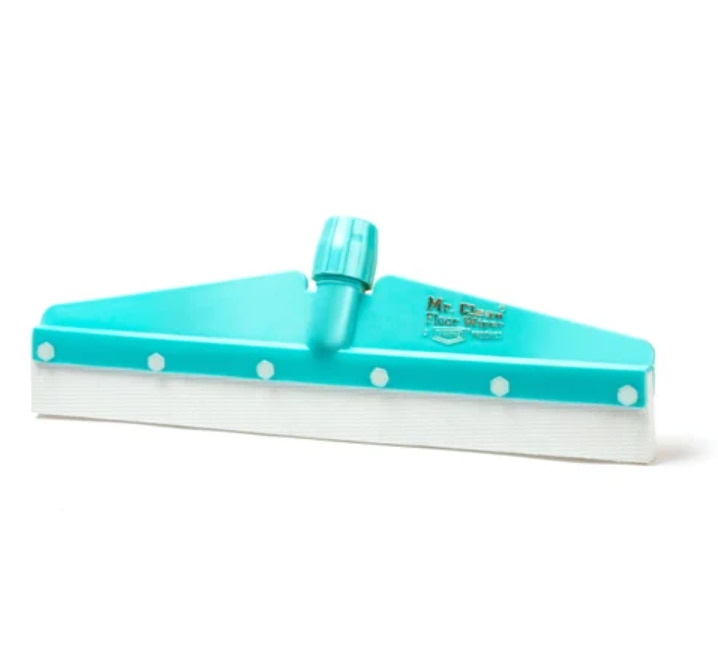 | Plastic Floor Wiper Approx. Price: Rs 108 / PieceGet Latest Price Product Details: Brand Unique Rod Material Iron Rod Length 106 CM Blade Length 40 cm Usage/Application... View product → |
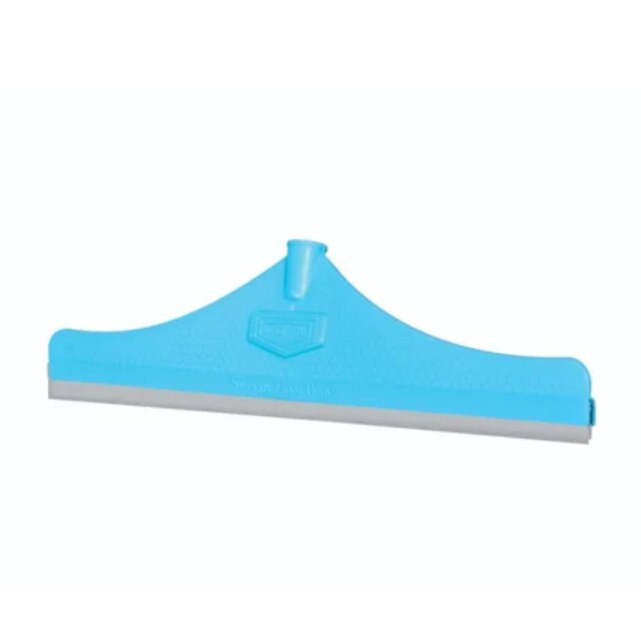 | Plastic Floor Wiper Approx. Price: Rs 132 / PieceGet Latest Price Product Details: Minimum Order Quantity 100 Piece Material Plastic Rod Length 125cm Blade Length 41 cm... View product → |
Frequently asked questions
How do I match a floor wiper head to the cleaning area?
Choose a continuous rubber or foam blade for smooth, nonporous floors such as tile, ceramic, marble, granite, vinyl, and epoxy. Consider room layout, floor texture, and the amount of water you need to move.
Should I choose rubber, synthetic rubber, or a textile floor wiper head?
Rubber and synthetic rubber heads suit smooth floors because they direct water into a controlled line. Textile heads suit tasks that require absorption or cleaning over textured surfaces.
What handle length and construction provide better control?
Select a handle that lets you push without bending while keeping the head easy to turn around furniture, walls, and narrow spaces. Check the joint, grip, shaft strength, and resistance to corrosion.
How should businesses compare wholesale floor wiper options?
Compare each option by its intended use, cleaning process, maintenance requirements, replacement head availability, handle durability, and total replacement workload.
Related products
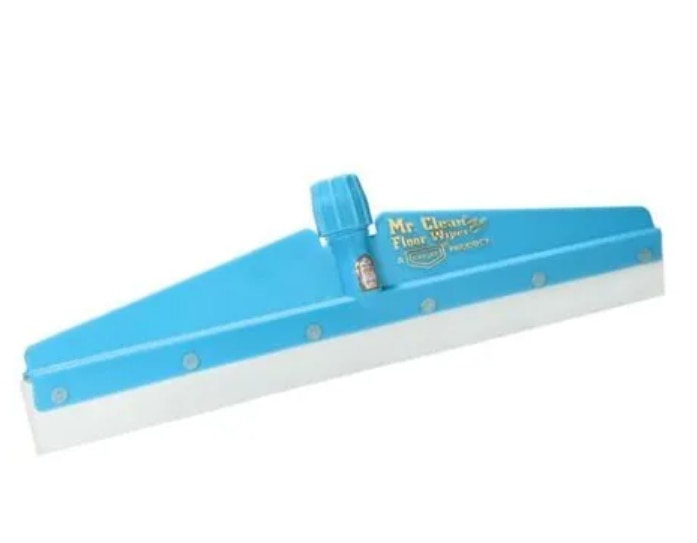 | Plastic Floor Wiper Mr Clean Plus Plastic Floor Wipers Approx. Price: Rs 158 / PieceGet Latest Price Product Details: Minimum Order Quantity 100 Piece Material Plastic Brand Unique Blade Material... View product → |
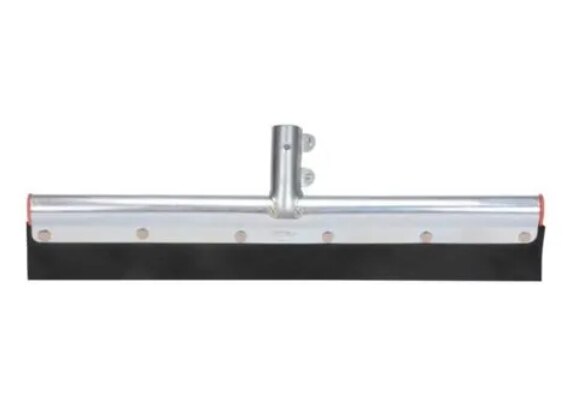 | Metallic Floor Wiper G041 Metallic Commercial Floor Wiper Approx. Price: Rs 152 / PieceGet Latest Price Product Details: Minimum Order Quantity 100 Piece Usage/Application For cleaning and wiping large floor... View product → |
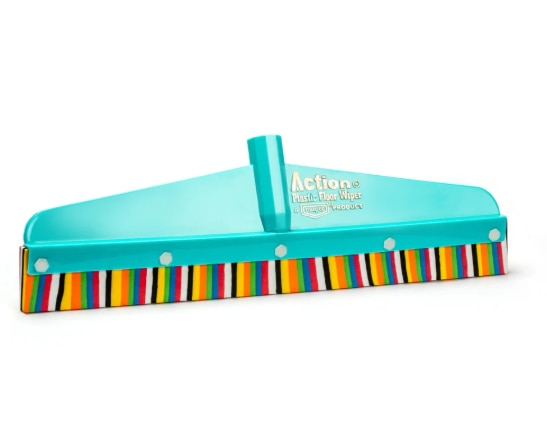 | Plastic Floor Wiper Approx. Price: Rs 140 / PieceGet Latest Price Product Details: Minimum Order Quantity 100 Piece Material Plastic Brand Unique Blade Material... View product → |
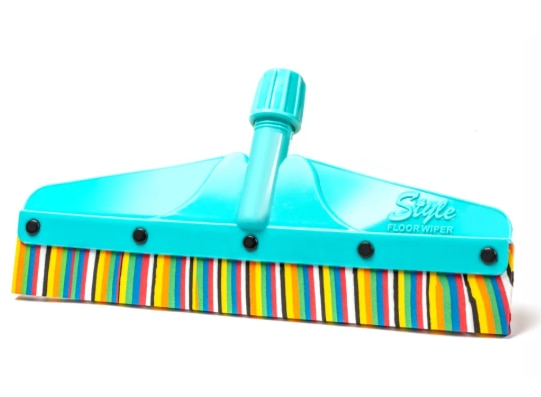 | Plastic Floor Wiper Approx. Price: Rs 130 / PieceGet Latest Price Product Details: Minimum Order Quantity 100 Piece Material Plastic Brand Unique Blade Material... View product → |