Keeping a home, workplace, hotel, restaurant, office, or commercial property clean becomes much easier when the right cleaning products are used for each task. While cleaning chemicals often receive most of the attention, practical tools such as brushes, wipers, mops, dustpans, and window cleaners play an equally important role in everyday maintenance.
For distributors, retailers, housekeeping companies, residential societies, and commercial facilities in Delhi, choosing cleaning tools is not simply about finding the lowest-priced option. Products need to be practical, comfortable to use, suitable for repeated cleaning, and appropriate for the surfaces being maintained.
Different Cleaning Tasks Need Different Tools
One common mistake is expecting a single tool to handle every cleaning requirement. Floors, carpets, glass surfaces, corners, ceilings, and outdoor areas all behave differently.
A practical cleaning setup may include:
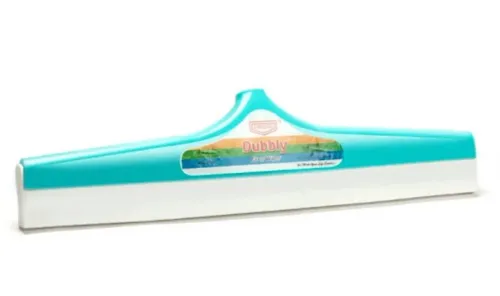
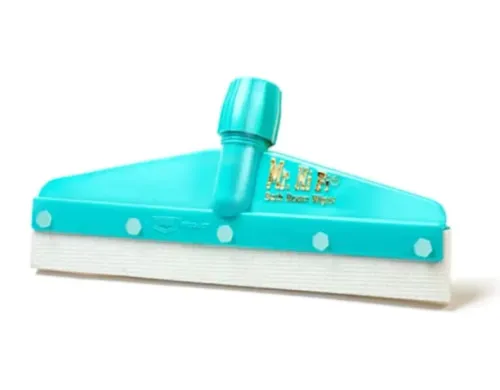
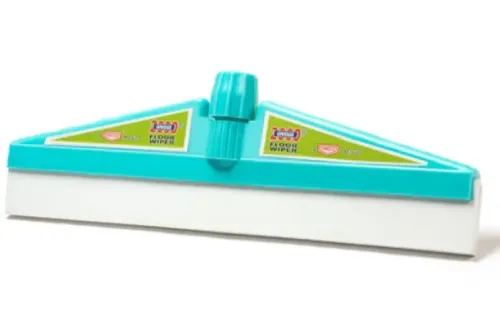
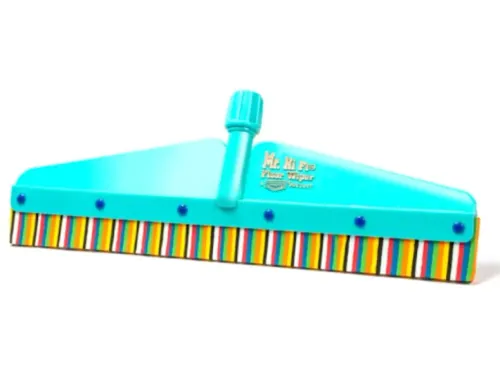
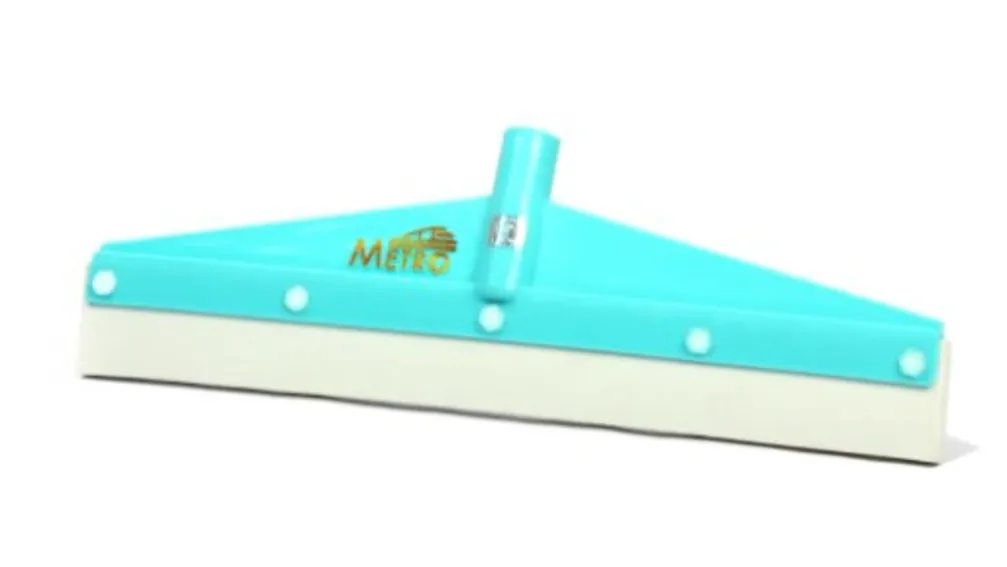
- Floor wipers for removing water from hard flooring
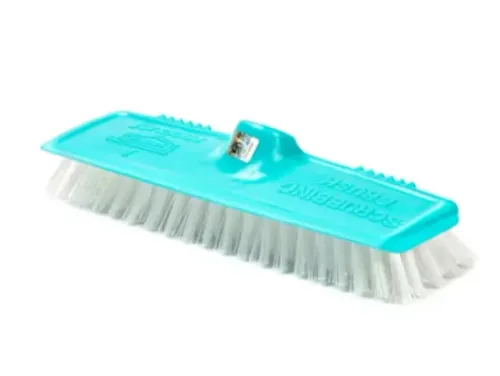
- Floor brushes for scrubbing stubborn dirt
- Carpet brushes for removing surface dust and debris
- Glass wipers for windows and mirrors
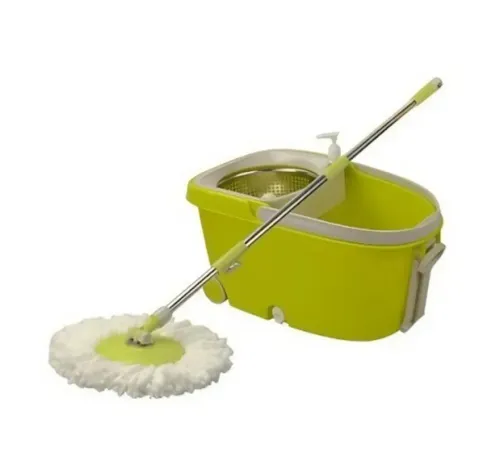
- Sponge mops for routine wet cleaning
- Dustpan sets for collecting dry waste
- Long-reach brushes for ceilings and high corners
- Telescopic cleaners for difficult-to-reach glass surfaces
Using task-specific tools can make routine cleaning more systematic and reduce unnecessary effort.
Material Quality Matters in Daily Use
Cleaning tools are frequently exposed to water, cleaning solutions, pressure, dirt, and repeated movement. A product that appears adequate during occasional use may not perform equally well when used several times every day.
Hotels, restaurants, housekeeping teams, offices, and residential societies often need products designed for regular handling. Buyers should therefore examine the quality of handles, joints, plastic components, wiping surfaces, bristles, and other working parts.
Durability is particularly important for commercial users because frequent replacements can increase purchasing effort and operating costs.
Ergonomics Can Affect Cleaning Efficiency
A well-designed cleaning product should make the task easier rather than creating additional strain.
Handle length, grip, product weight, head width, flexibility, and reach all influence usability. A floor tool that requires excessive bending, for example, may become uncomfortable during extended cleaning. Similarly, a window cleaning tool with inadequate reach can make high glass areas difficult to maintain.
For professional housekeeping teams, small improvements in product design can become significant when the same activity is repeated across many rooms or large floor areas.
Storage and Maintenance Should Be Considered
Cleaning equipment also needs proper care.
Brushes should be cleaned after heavy use, mop heads should be allowed to dry properly, and wipers should be stored in a way that protects their working edges. Keeping tools clean can help maintain hygiene and ensure they remain ready for the next cleaning cycle.
Businesses purchasing in quantity should also consider how easily products can be stored and distributed across departments or housekeeping stations.
Choosing Products for the Actual Environment
The best cleaning setup depends on where the products will be used.
A residential household may need a compact range of everyday tools. A restaurant may prioritize frequent floor and glass cleaning. Hotels may require different products for guest rooms, bathrooms, corridors, windows, and common areas. Commercial facilities may need tools suitable for larger surfaces and continuous use.
Delhi's diverse residential, hospitality, retail, and commercial environment creates demand for cleaning tools suited to very different maintenance routines.
Unique Trading Company manufactures household cleaning solutions for these varied applications. Understanding the task, surface, cleaning frequency, and user requirements before selecting products helps buyers create a more practical cleaning system.
Ultimately, effective cleaning depends not only on how often an area is cleaned but also on whether the equipment is appropriate for the job.
Keywords