
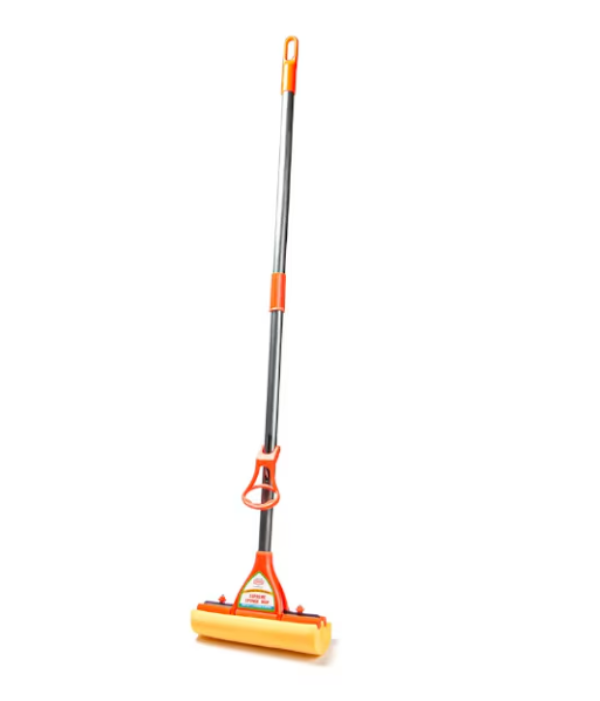
Selecting a mop becomes easier when buyers start with the type of cleaning they actually perform. Different floor tools are suited to different routines, and a Sponge Mop can be a practical option for everyday wet cleaning on compatible hard surfaces.
For households, offices, hospitality properties, cleaning contractors, and retailers, understanding its intended use helps determine whether it belongs in the cleaning setup.
Consider the Surface First
Before using any wet-cleaning tool, check whether the flooring can be cleaned with water and whether the manufacturer provides specific maintenance instructions.
Tiles and many other hard surfaces are commonly wet cleaned, while some flooring materials require more controlled moisture.
The mop should therefore be selected according to the surface rather than used indiscriminately throughout a property.
Think About the Type of Cleaning
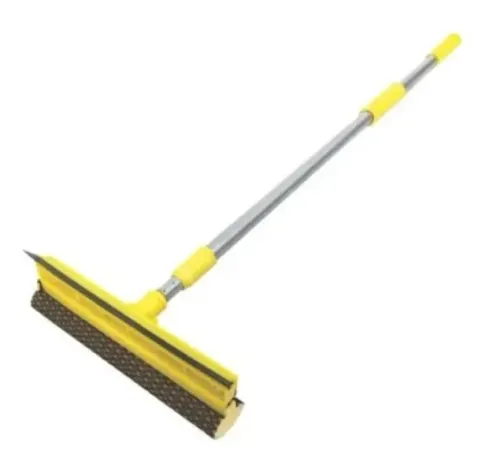
A Sponge Mop can be convenient for routine cleaning where water or an appropriate cleaning solution needs to be spread and collected across manageable floor areas.
It may suit everyday maintenance in homes, offices, rooms, and similar spaces.
Heavy industrial dirt, rough outdoor flooring, or specialised cleaning situations may require a different tool. Understanding this distinction prevents unrealistic expectations from the product.
Handling Should Be Comfortable
Buyers should assess how the mop feels during normal use.
Important factors include handle length, grip, mop-head dimensions, overall weight, and how conveniently the cleaning component can be managed.
For housekeeping employees who clean several rooms every day, comfortable handling can be particularly important.
Commercial Buyers Need to Consider Replacement Cycles
Mop components are exposed to dirt, moisture, and repeated cleaning solutions.
Hotels, offices, restaurants, residential societies, and housekeeping contractors in Delhi should therefore consider maintenance and replacement as part of purchasing rather than treating the mop as a permanent item.
Inspect the cleaning component regularly and replace worn parts or products when they no longer perform adequately.
Hygiene Requires Proper Drying
One of the most important aspects of mop care is what happens after cleaning.
A wet mop should not simply be placed in an enclosed storage area. Clean the working component appropriately, remove excess moisture, and allow it to dry in a suitable location.
Commercial housekeeping procedures may also require separate cleaning equipment for different zones.
Check Product Suitability Before Bulk Purchasing
Retailers and distributors should consider the needs of their target customers.
Residential buyers may prioritize convenient storage and simple handling. Professional housekeeping customers may pay greater attention to frequent use, construction, maintenance, and replacement.
Unique Trading Company manufactures household cleaning tools in Delhi for different market segments. Buyers considering a Sponge Mop can evaluate the product according to their intended surface, usage frequency, and quantity requirements.
A Mop Works Best as Part of a Complete System
Effective floor care often requires several tools.
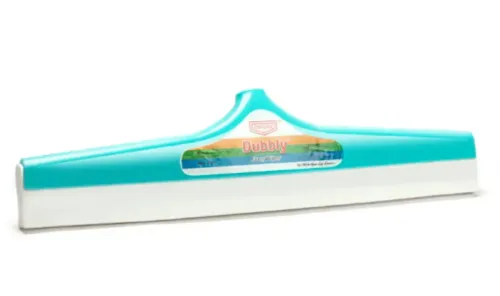
Dry debris may need sweeping first. Certain stains may require targeted cleaning. Excess water may be easier to manage with a floor wiper after wet cleaning.
The Sponge Mop should therefore be viewed as one component within a broader floor-care routine.
Choosing according to the surface and cleaning frequency helps buyers avoid unnecessary purchases and ensures the equipment is better aligned with the work it is expected to perform.