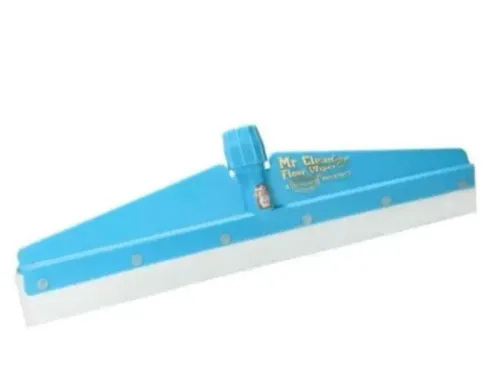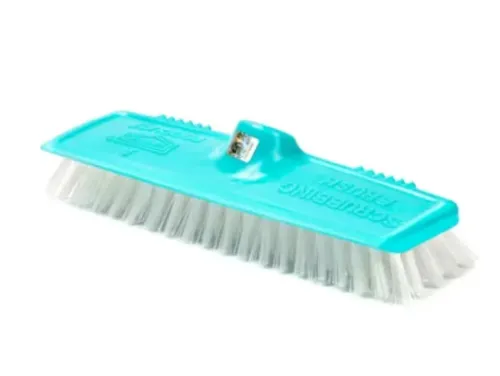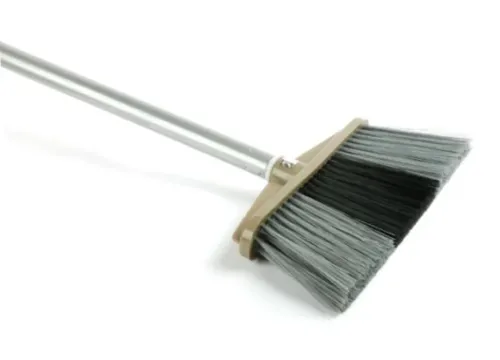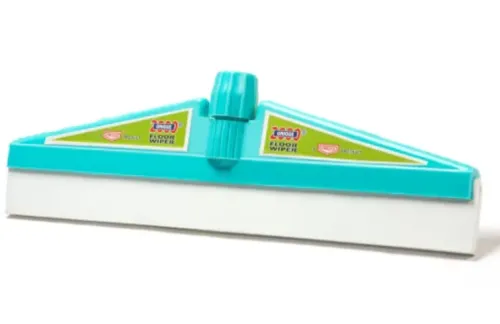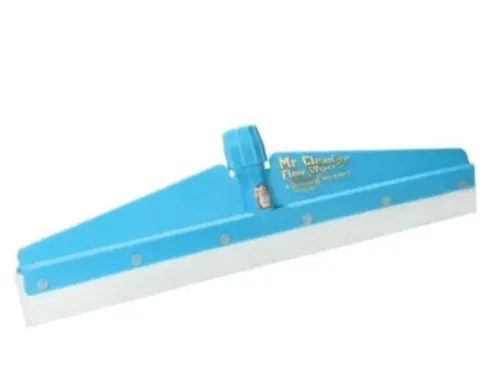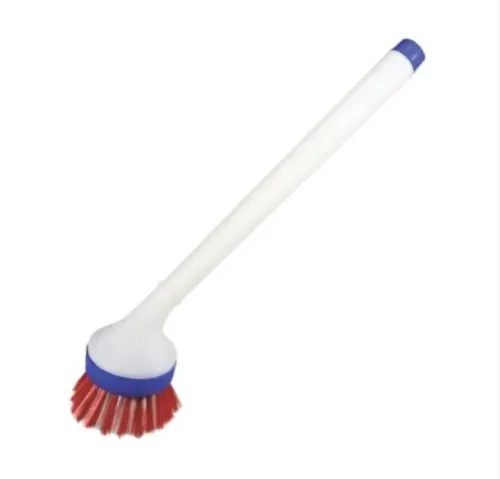
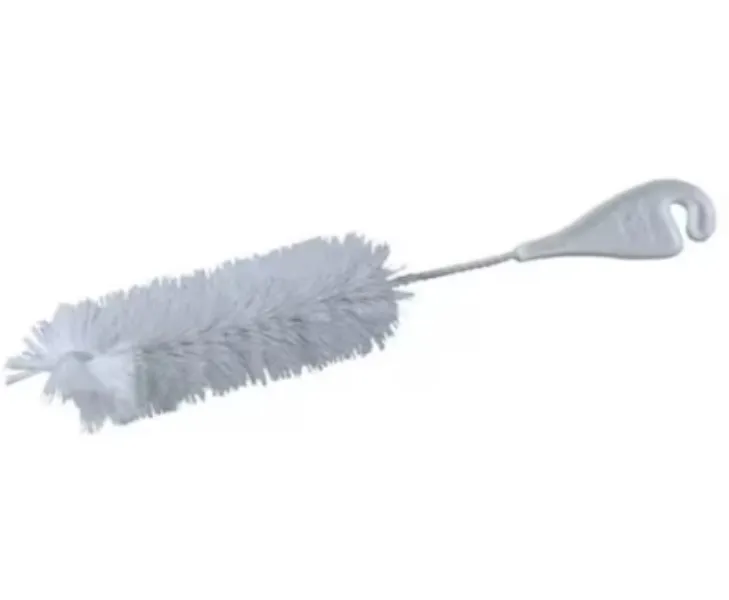
A Feeder Brush plays an important role in various industrial and commercial processes where cleaning, material movement, dust removal, or surface maintenance is required. Although often overlooked, selecting the correct feeder brush can improve operational efficiency, reduce maintenance requirements, and extend the lifespan of equipment.
For distributors, industrial buyers, housekeeping suppliers, and procurement managers, understanding what differentiates one feeder brush from another helps in making informed purchasing decisions.
What Is a Feeder Brush?
A feeder brush is designed to guide, clean, or transport materials during manufacturing or processing operations. Depending on its application, it can be used to remove dust, clean conveyor systems, maintain product flow, or assist in automated production lines.
Industries commonly using feeder brushes include:
- Packaging
- Printing
- Food processing
- Textile manufacturing
- Engineering industries
- Pharmaceutical production
- Industrial cleaning
Each application requires a brush with the appropriate design, bristle type, and durability.
Factors That Influence Performance
Not every feeder brush performs equally well. Buyers should evaluate several factors before selecting a product.
Bristle Material
Different materials suit different environments.
Common choices include:
- Nylon for flexibility
- Polypropylene for moisture resistance
- Stainless steel for heavy-duty cleaning
- Natural fibres for specialised applications
Brush Density
Higher bristle density generally provides better cleaning performance, while lighter density may be suitable for delicate materials.
Handle or Mounting Design
The mounting system should match the equipment where the brush will be installed to ensure smooth operation.
Common Challenges Buyers Face
Many businesses experience issues because the wrong brush is selected for the intended application.
Typical problems include:
- Premature bristle wear
- Reduced cleaning efficiency
- Frequent replacement
- Equipment downtime
- Poor material handling
Choosing the correct specification helps minimise these operational issues.
How to Compare Feeder Brushes
When evaluating suppliers, consider the following checklist:
- Consistent manufacturing quality
- Durable bristle construction
- Uniform dimensions
- Reliable material quality
- Bulk supply capability
- Proper packaging
- Timely delivery support
Looking beyond the initial purchase price often results in better long-term value.
Why Quality Matters for Bulk Procurement
Distributors and wholesalers need products that perform consistently across multiple customer segments. Commercial users expect cleaning accessories that withstand repeated use without compromising performance.
Reliable manufacturing standards help maintain customer confidence while reducing product returns.
Demand Across Delhi's Industrial Market
Delhi and the surrounding NCR region continue to see growth in manufacturing, logistics, packaging, and industrial operations. As businesses focus on efficiency and workplace cleanliness, demand for dependable feeder brushes has increased among industrial buyers and commercial cleaning suppliers.
Manufacturers such as Unique Trading Company supply cleaning aids and specialised brushes to distributors, wholesalers, retailers, and institutional buyers. Businesses exploring industrial and household cleaning products often review the company's product portfolio through uniquecleaningaids.com before making procurement decisions.
Selecting the right feeder brush is ultimately about matching product quality with the intended application. Careful evaluation helps businesses improve productivity while ensuring long-term operational reliability.
Keywords