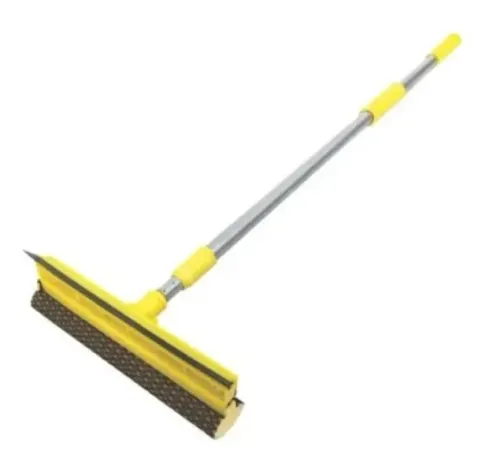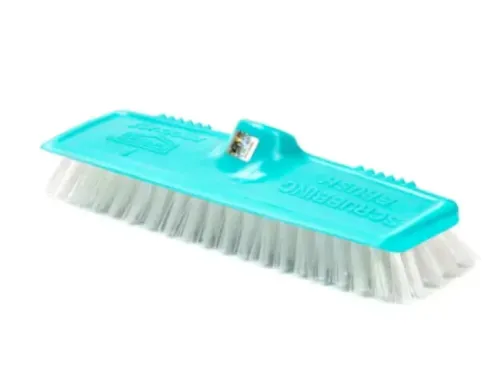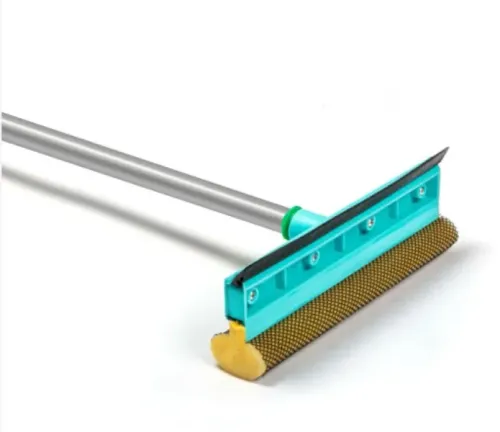

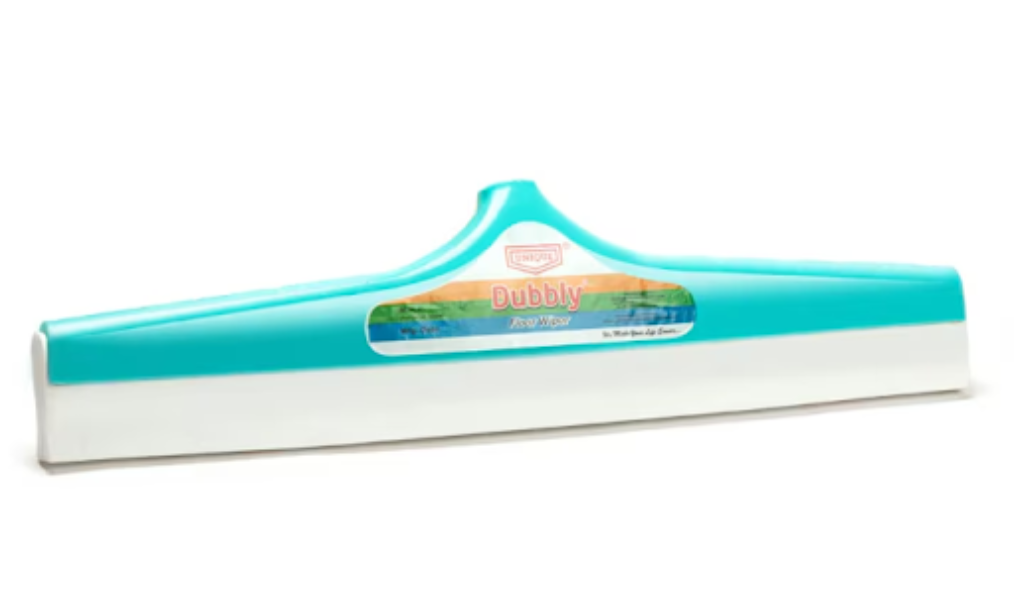
Floor wipers used occasionally at home may experience relatively light wear. The situation is very different in restaurants, hotels, offices, commercial kitchens, housekeeping operations, and residential societies where floors may be cleaned several times each day.
For these environments, durable floor wipers can provide value by reducing avoidable replacement and maintaining more consistent cleaning performance.
Frequent Use Changes the Buying Decision
A low purchase price may look attractive initially, but commercial buyers need to consider how the product behaves over time.
Repeated pushing, pulling, water exposure, cleaning solutions, storage, and accidental impact can place stress on handles, joints, heads, and wiping edges.
If a wiper needs frequent replacement, the true cost includes more than the price of another product. Purchasing staff must reorder equipment, housekeeping teams need replacements, and inconsistent tools can interrupt established cleaning routines.
Durability Depends on the Complete Product
Buyers sometimes focus exclusively on the wiping edge.
While this component is important, durability depends on several parts working together.
Check:
- Handle construction
- Head strength
- Connection points
- Wiping-edge quality
- Grip stability
- Overall balance
- Resistance to normal cleaning conditions
A strong component cannot compensate for another part that repeatedly fails during ordinary use.
Match the Tool to the Workload
Not every facility needs the same type of wiper.
A small office pantry has different cleaning demands from a busy restaurant kitchen. Similarly, hotel bathrooms, residential common areas, and institutional premises vary in floor size and cleaning frequency.
Delhi businesses purchasing cleaning tools should estimate the workload before deciding what level of construction is appropriate.
Proper Handling Extends Useful Life
Durable products can still wear prematurely when they are handled poorly.
Staff should avoid using floor wipers for tasks they were not designed to perform. Tools should be rinsed after exposure to dirt and cleaning residue, allowed to dry, and stored without prolonged pressure on the wiping edge.
Housekeeping supervisors can also check tools periodically and remove damaged products from service.
Bulk Buyers Should Test Before Standardising
For housekeeping companies and facility managers, standardising a reliable tool across multiple teams can simplify procurement.
However, it is sensible to test products under normal operating conditions first. Ask cleaning staff about grip comfort, water removal, manoeuvrability, and signs of wear.
This practical feedback can reveal issues that are not obvious from specifications alone.
Supplier Reliability Also Affects Long-Term Value
Businesses requiring repeat quantities should consider whether their supplier can provide consistent products and communicate clearly about availability.
Unique Trading Company manufactures household cleaning aids in Delhi for varied residential and commercial applications. Businesses evaluating durable floor wipers can consider the intended workload and purchasing volume when discussing requirements.
Durability should not be interpreted as an unrealistic expectation that a cleaning tool will last indefinitely. Every frequently used product eventually experiences wear.
The goal is to select a wiper whose construction suits the expected workload and then maintain it appropriately. For busy facilities, this approach can reduce replacement hassles, improve procurement planning, and help housekeeping teams work with more consistent equipment.